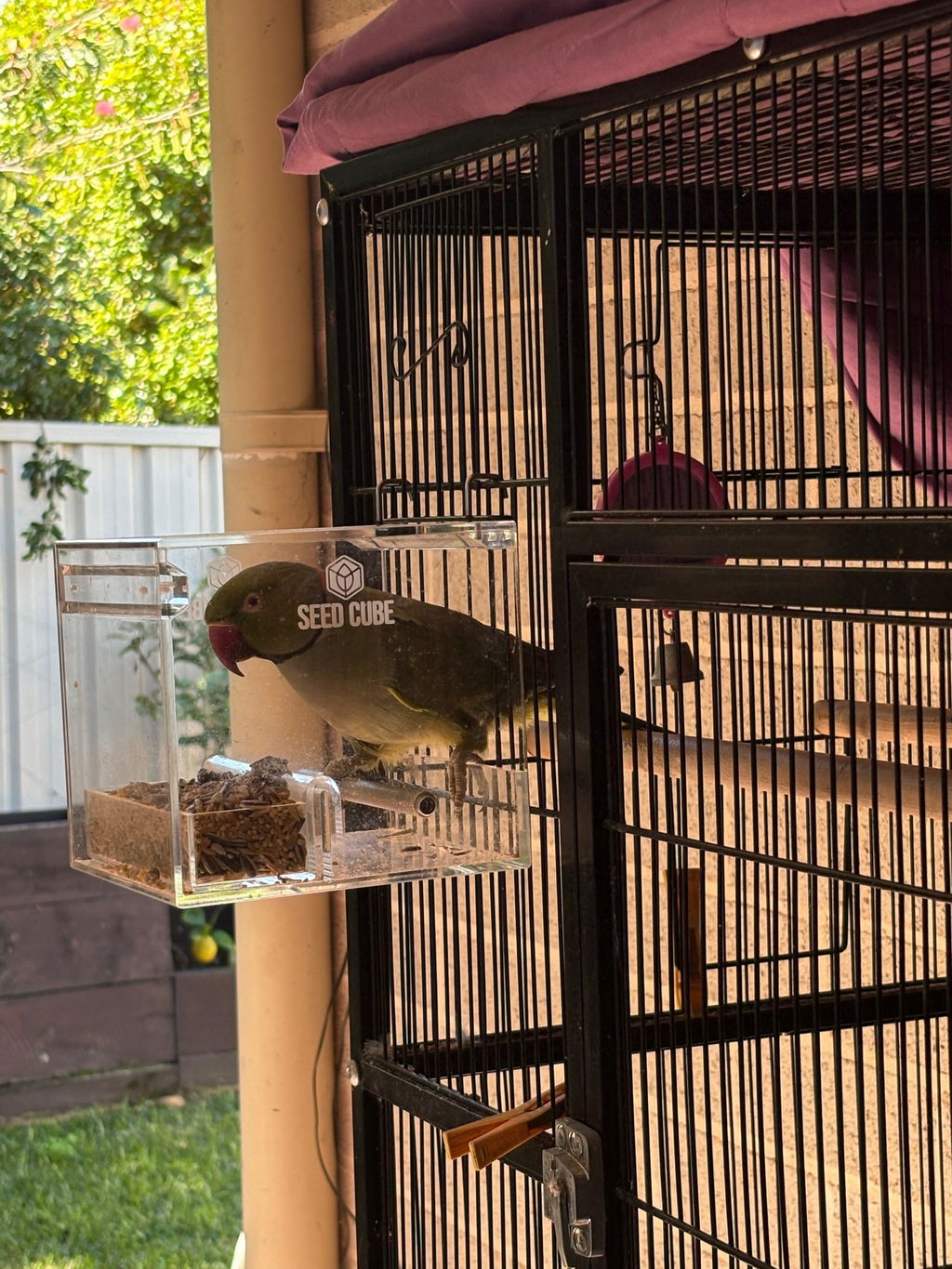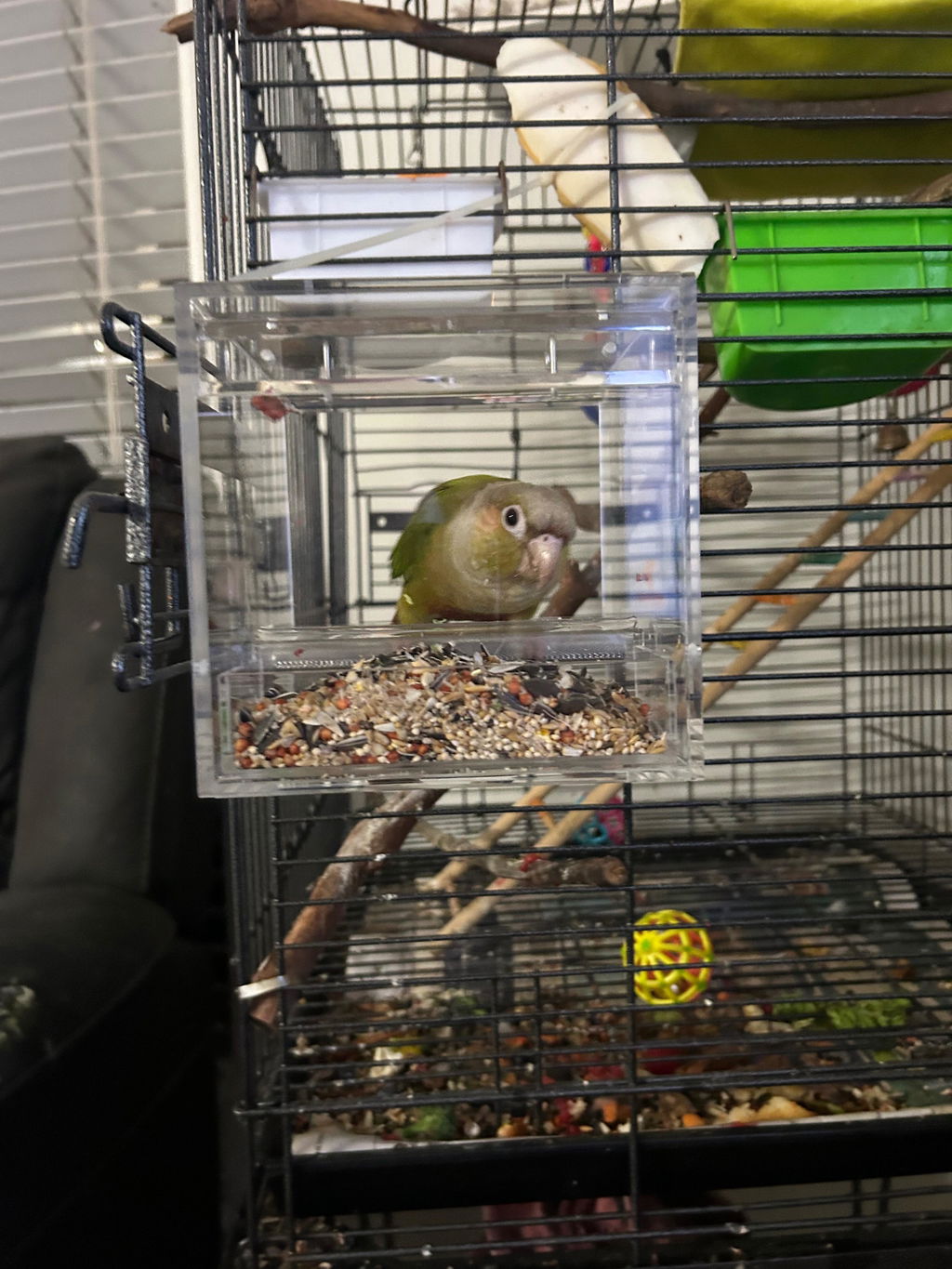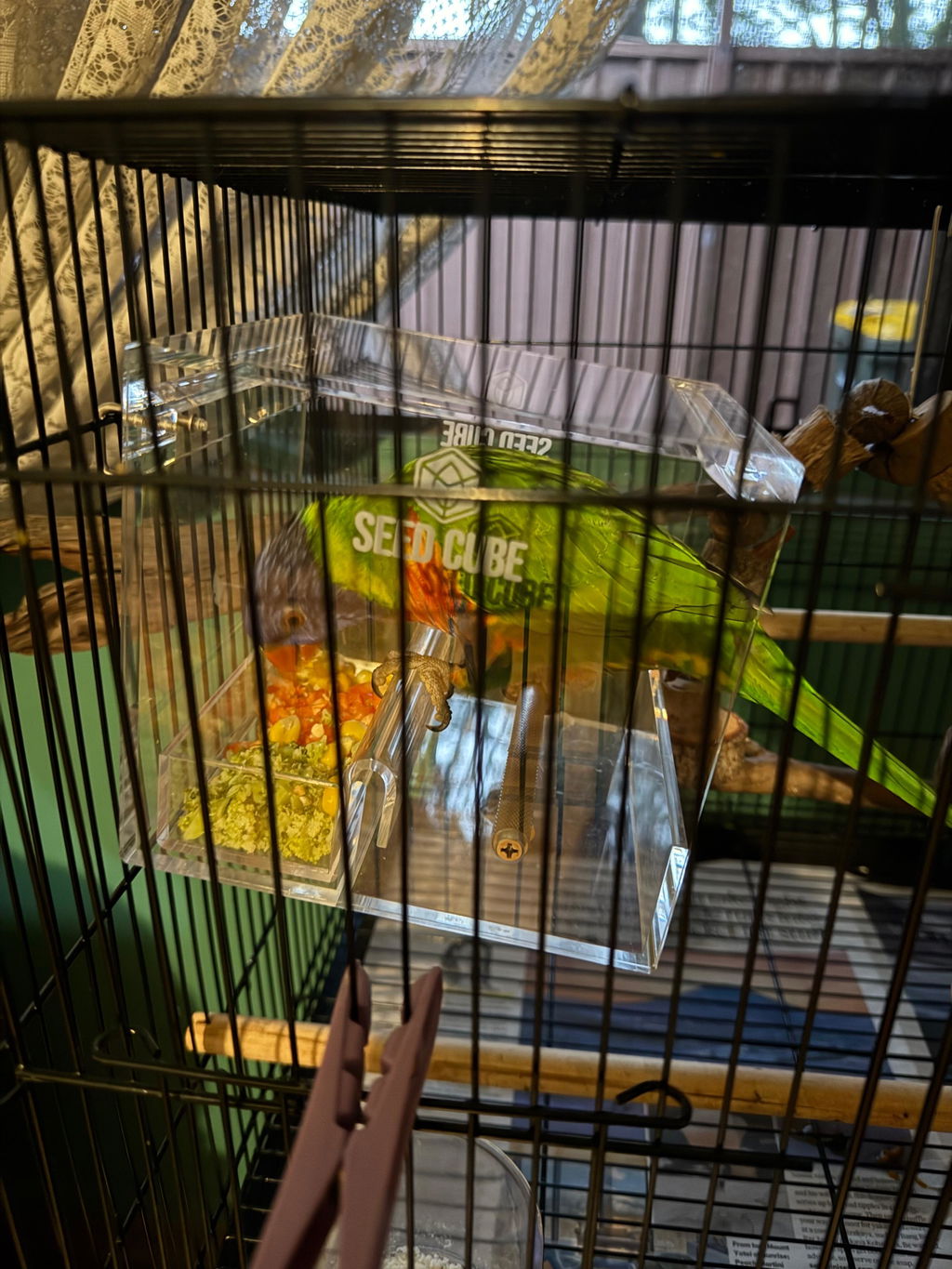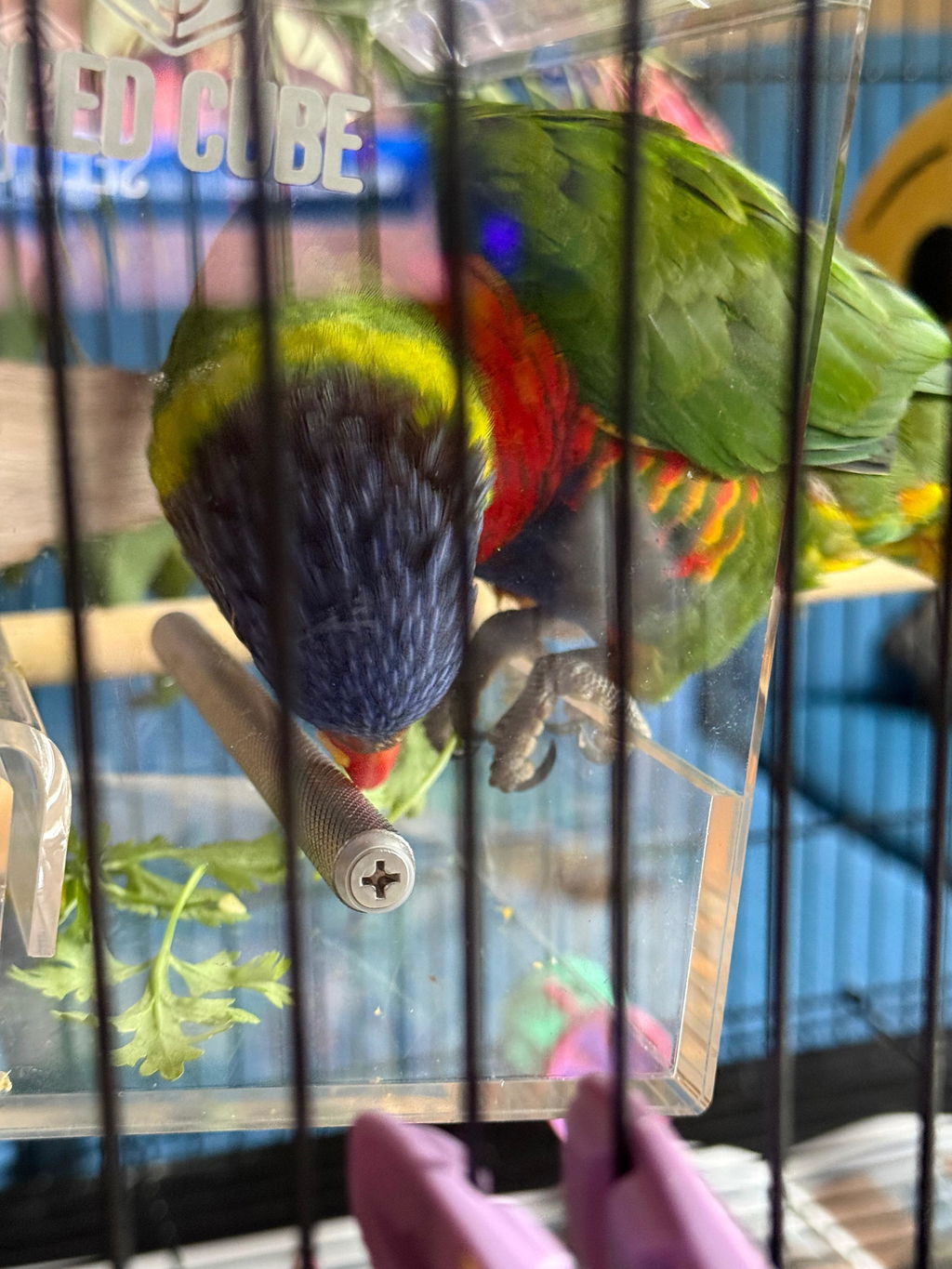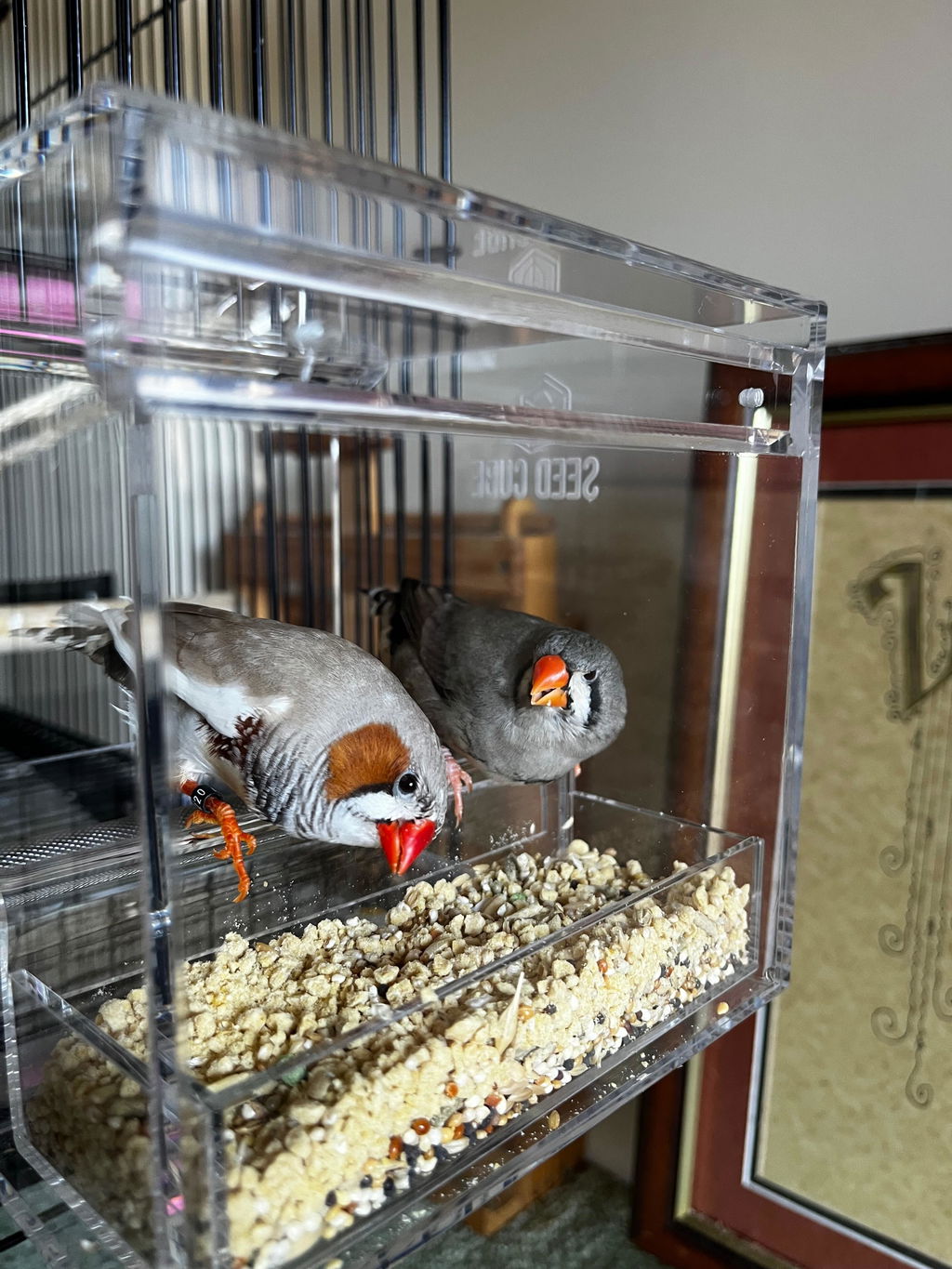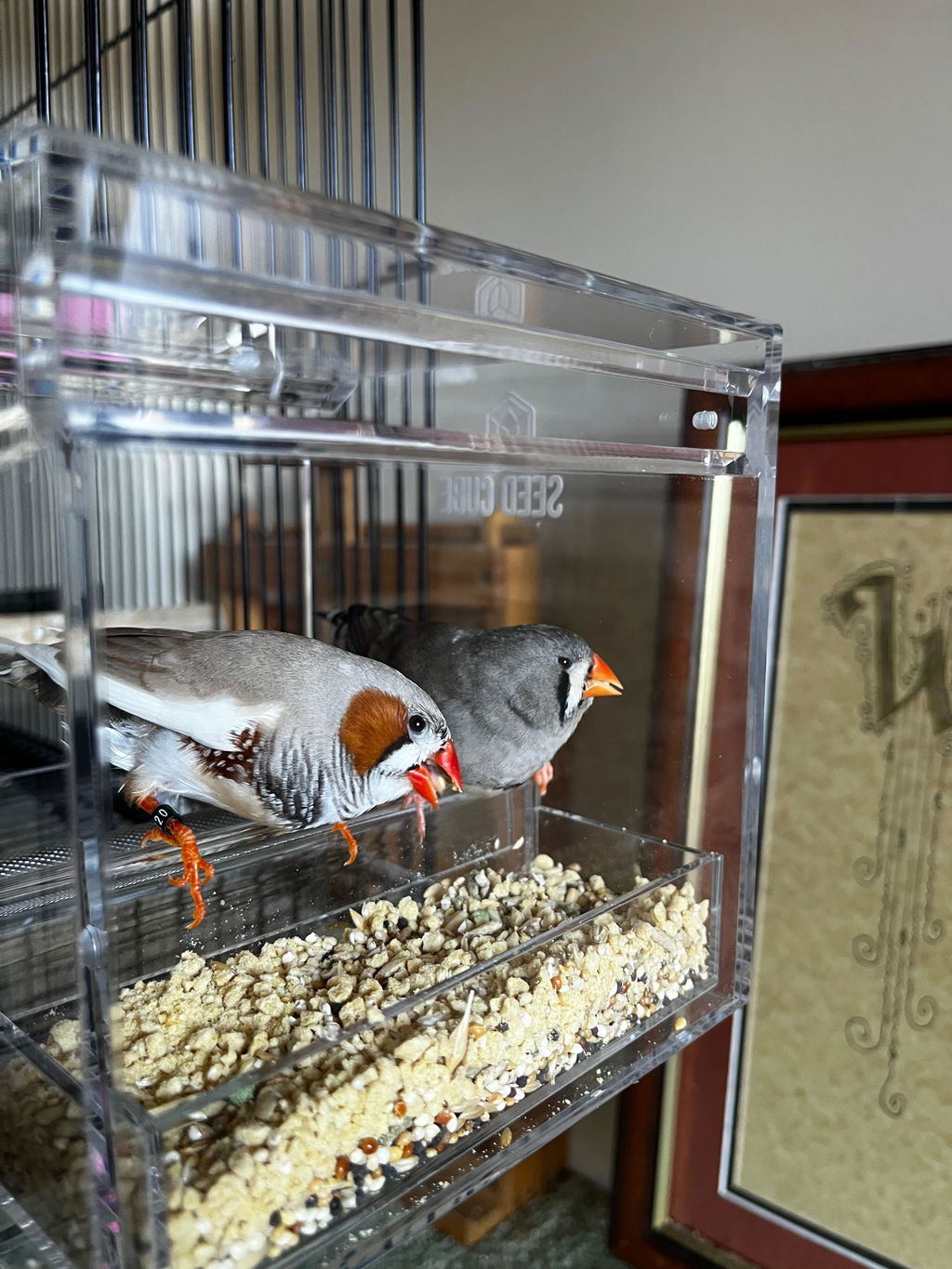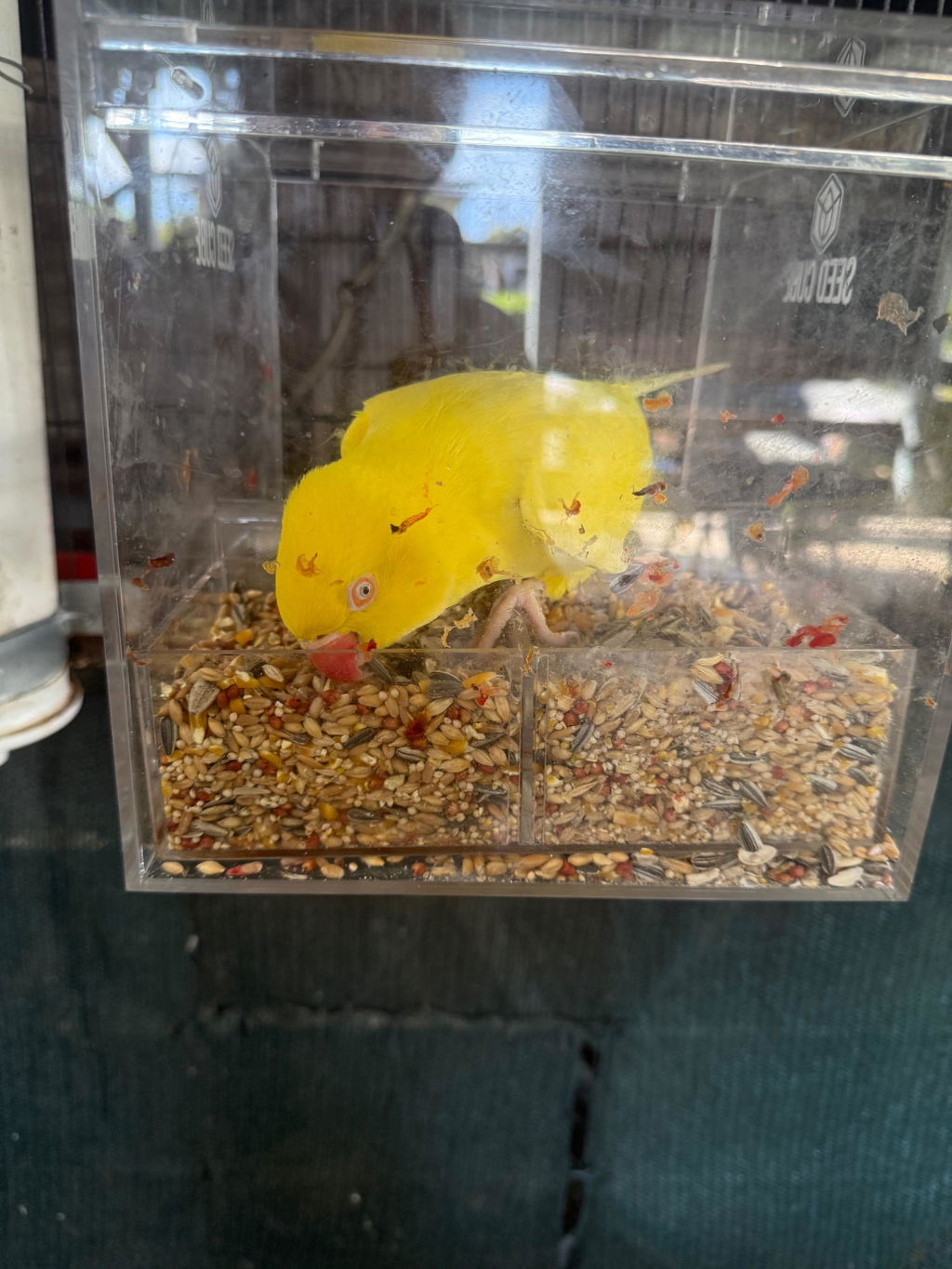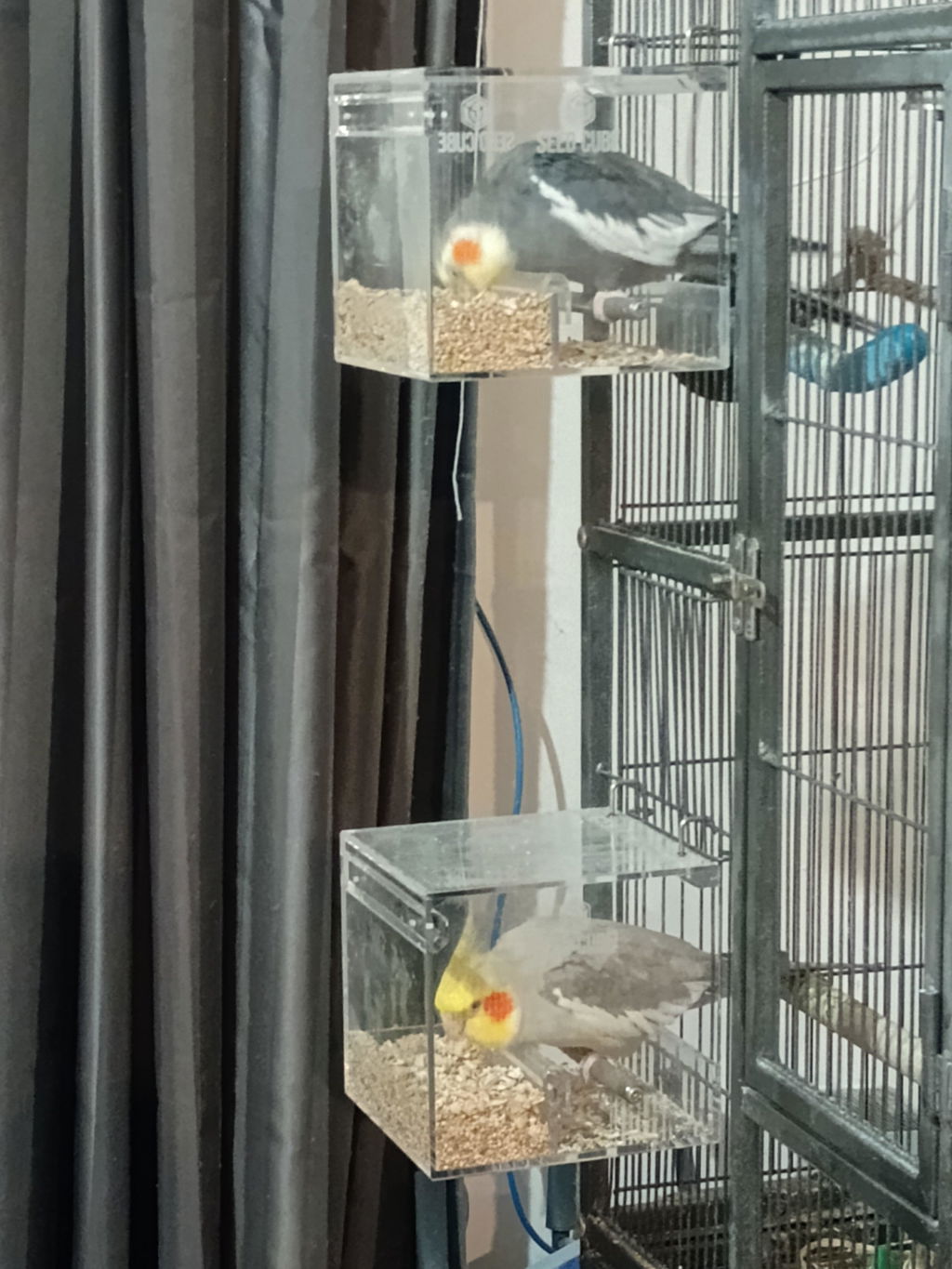
THE BEST NO MESS FEEDER FOR ROSELLAS

Rosellas are seed-eating parrots that husk as they feed and flick what they do not want. In an open dish that means shells, dust and rejected seed all over the aviary floor.

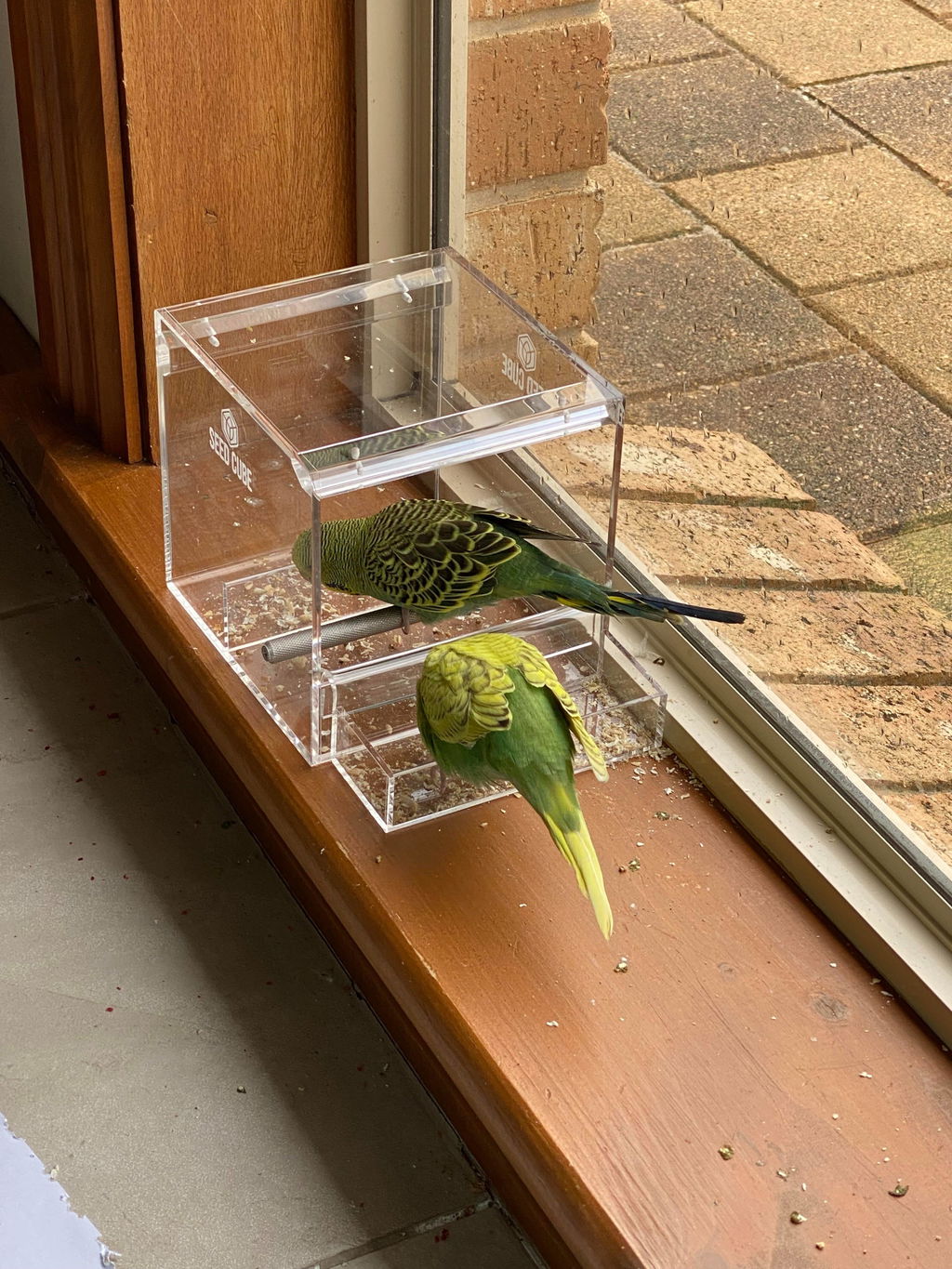
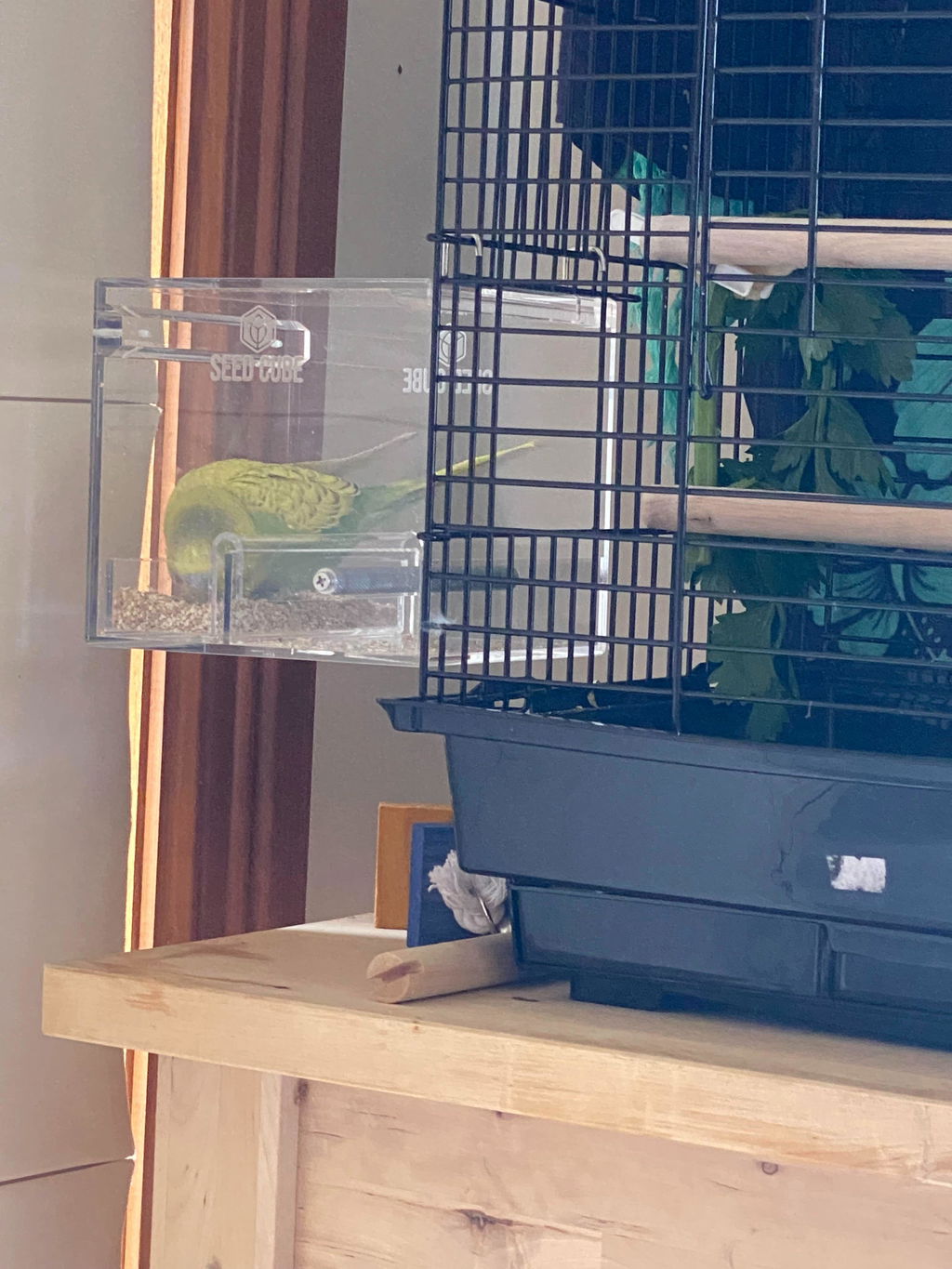
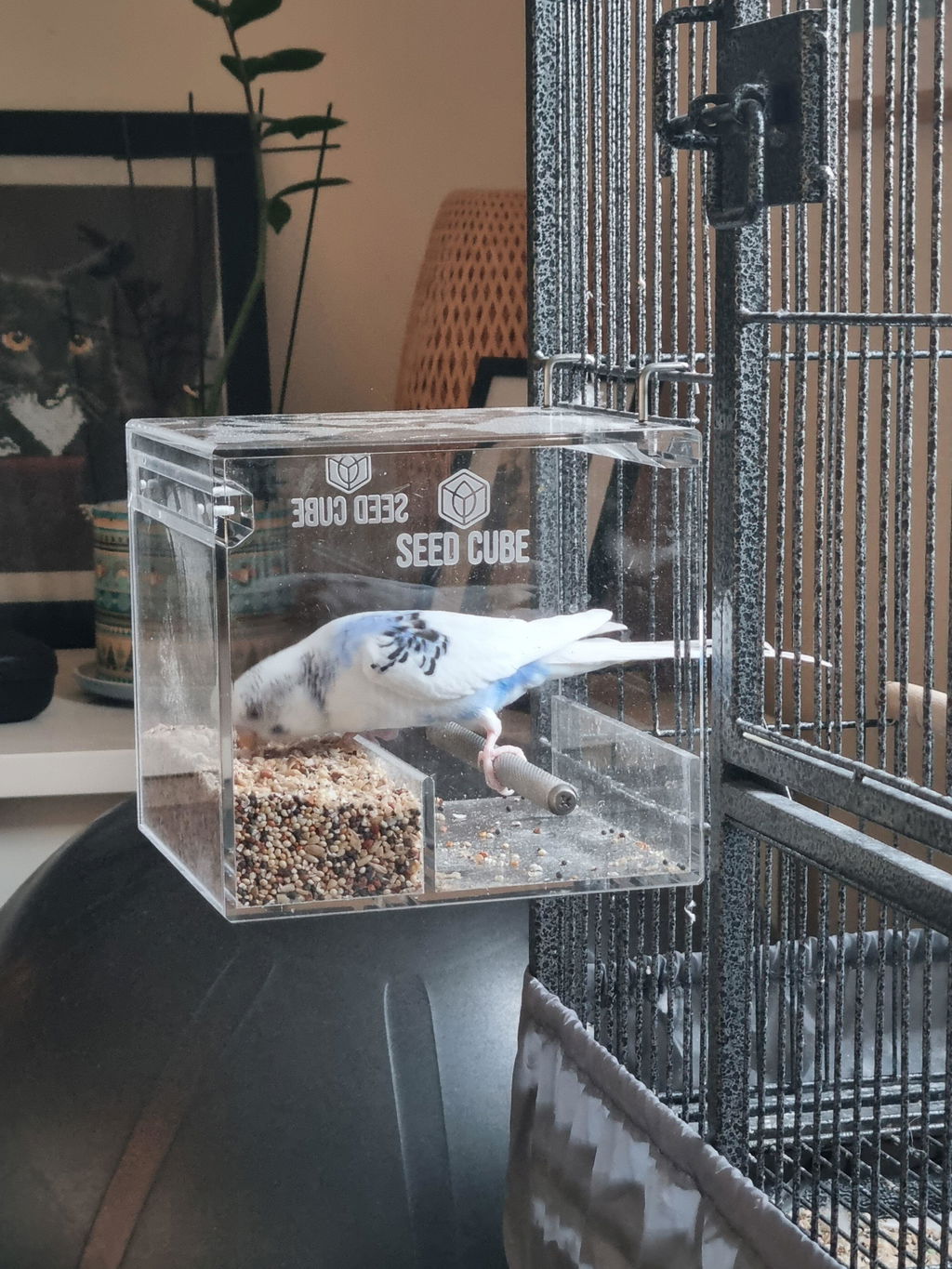
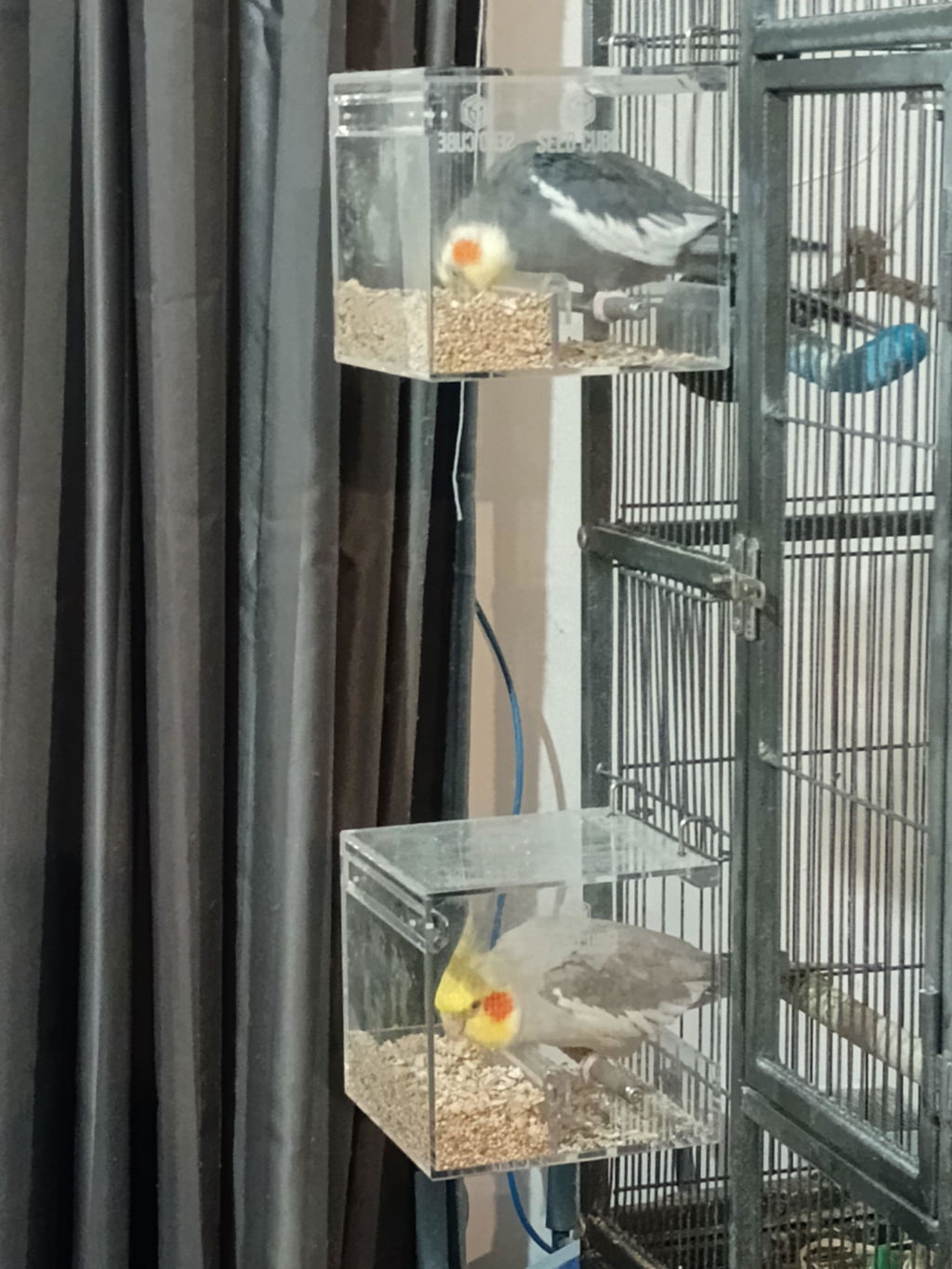
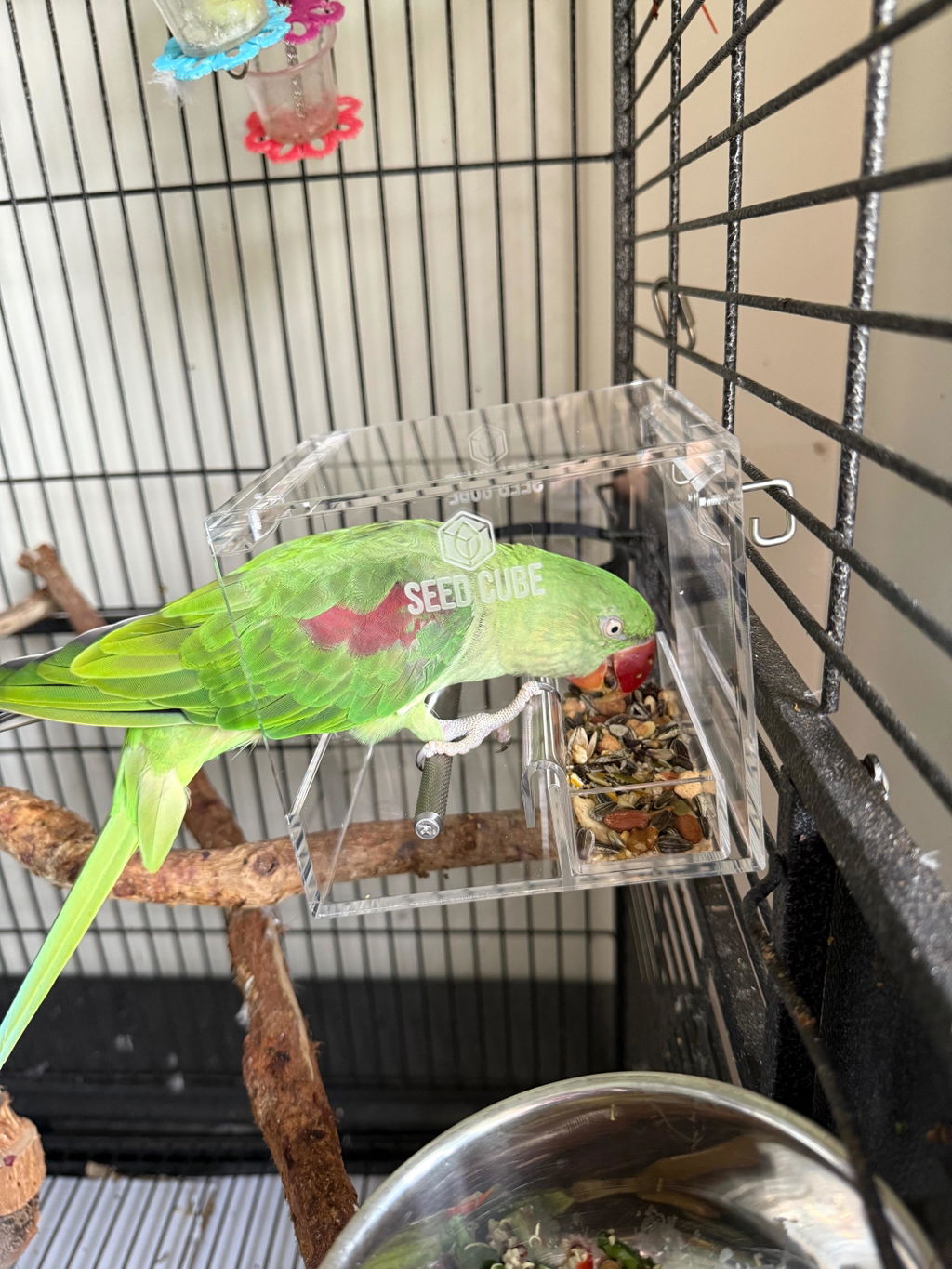
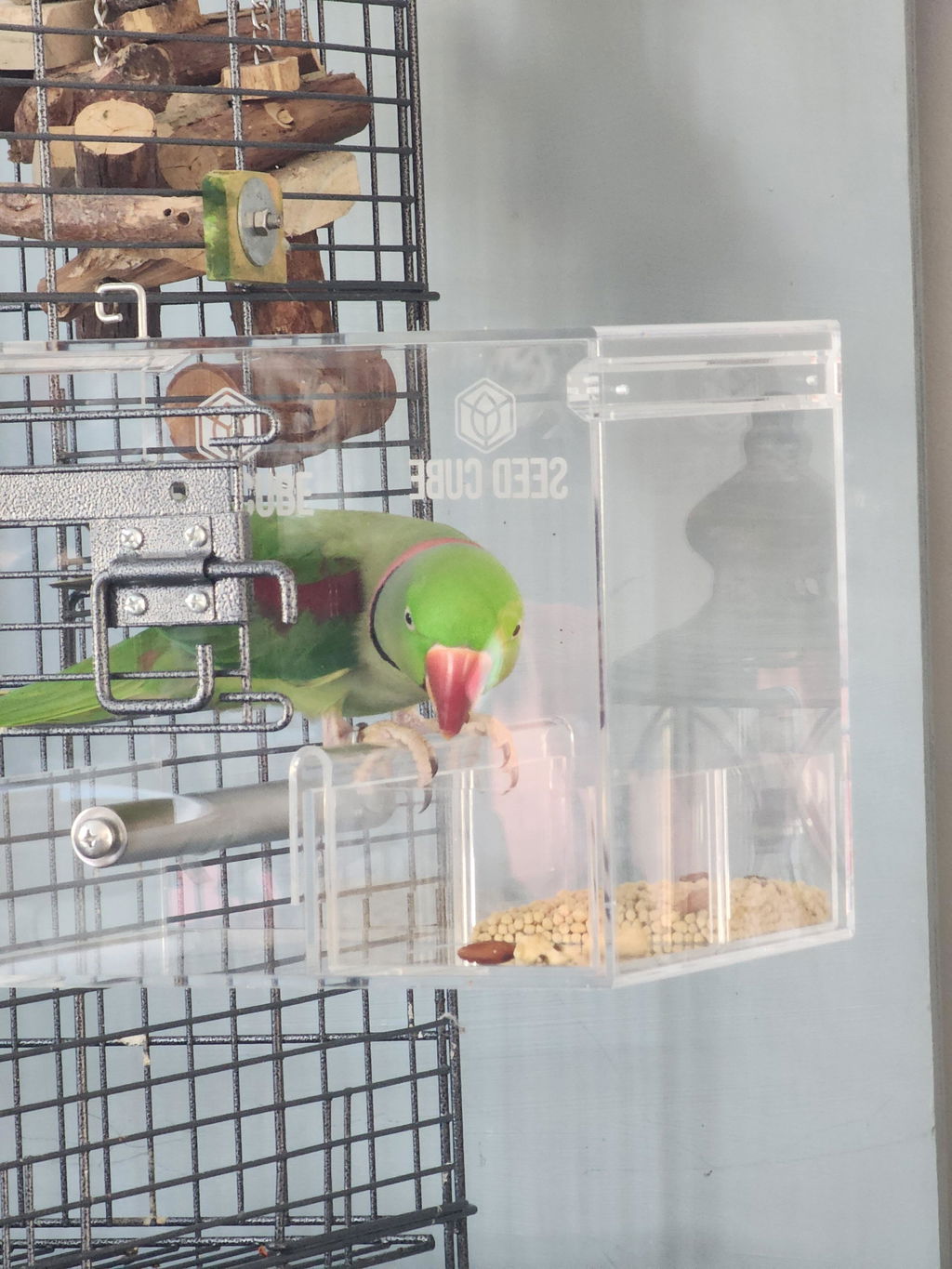
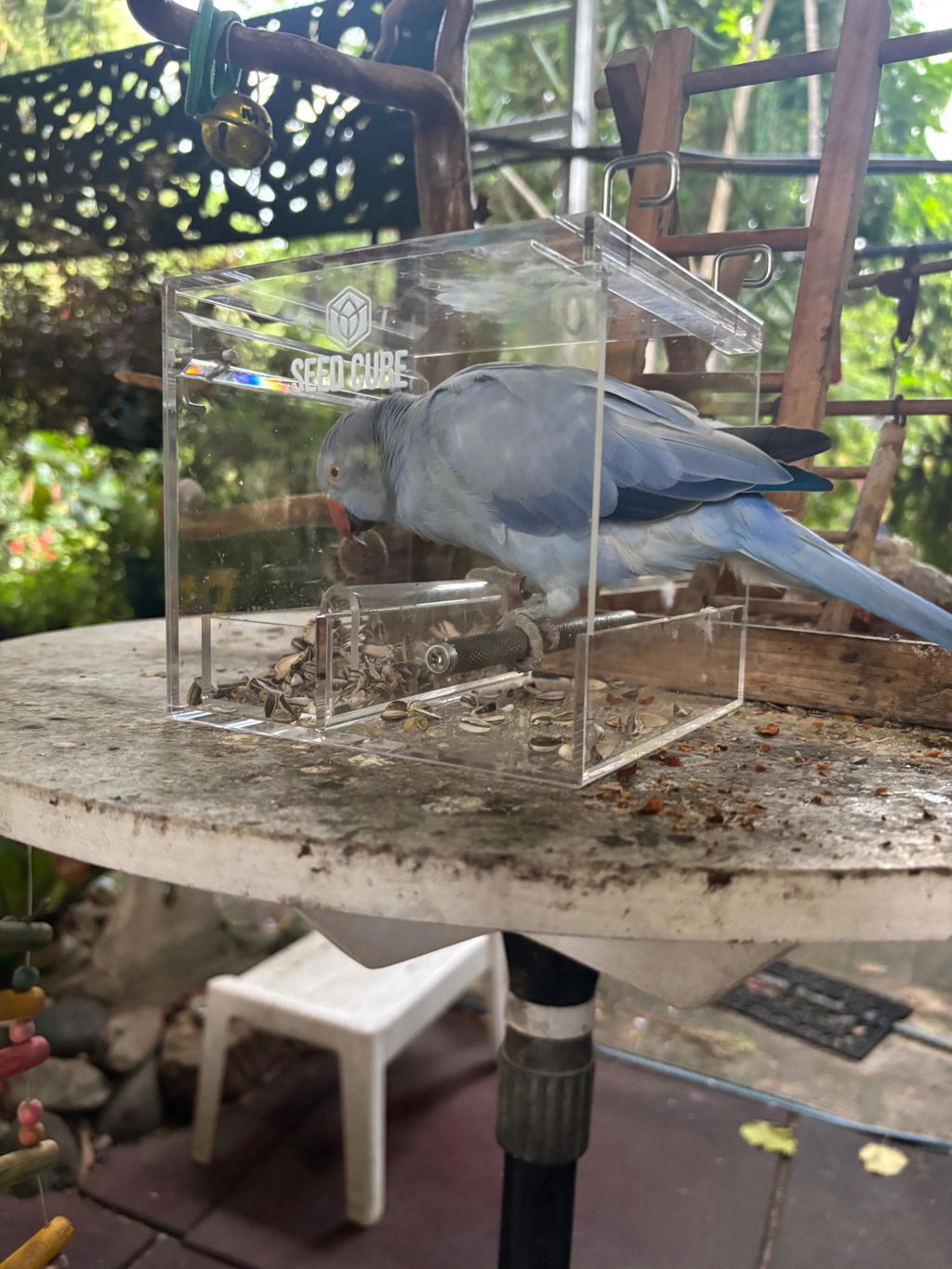
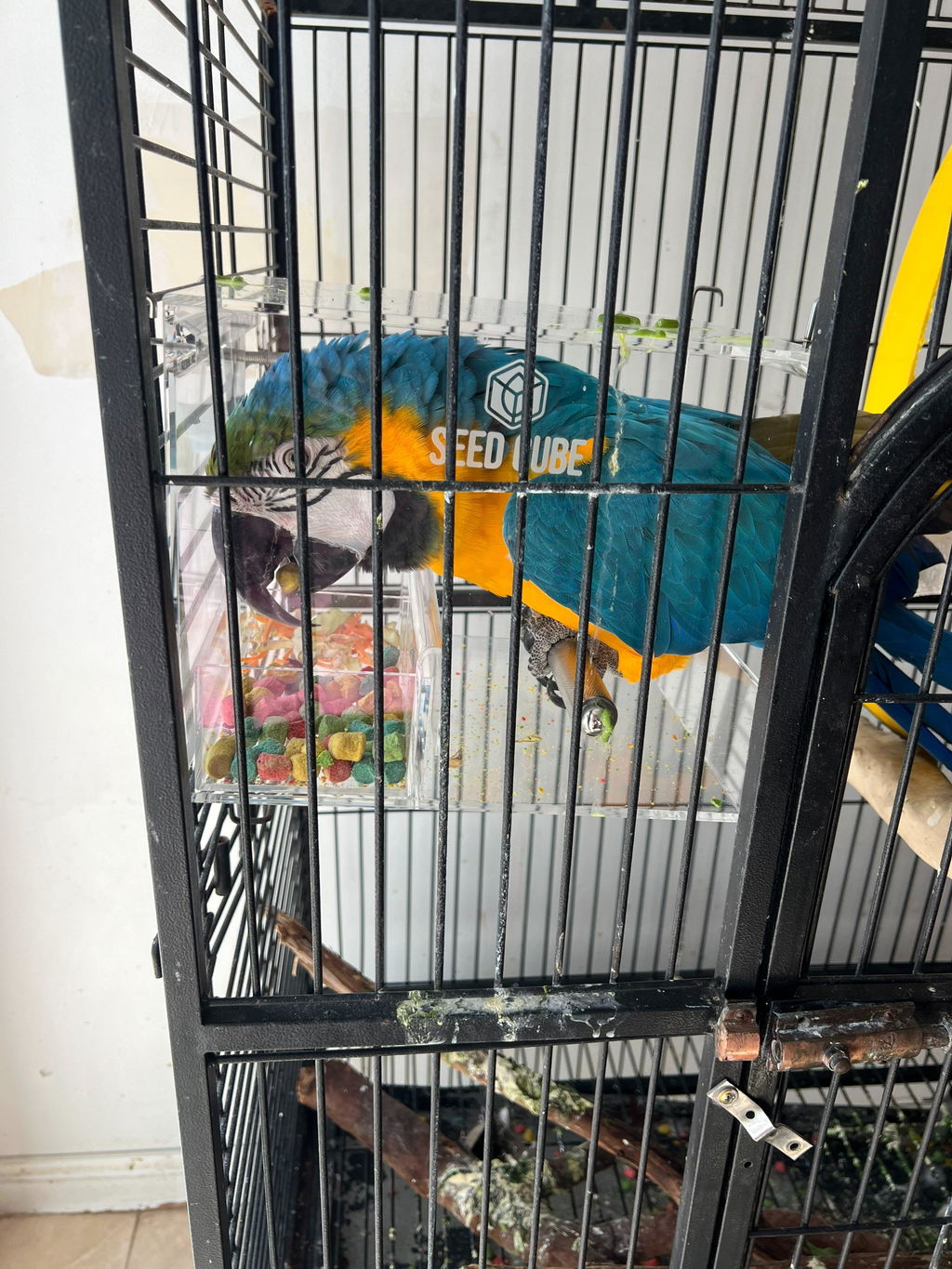
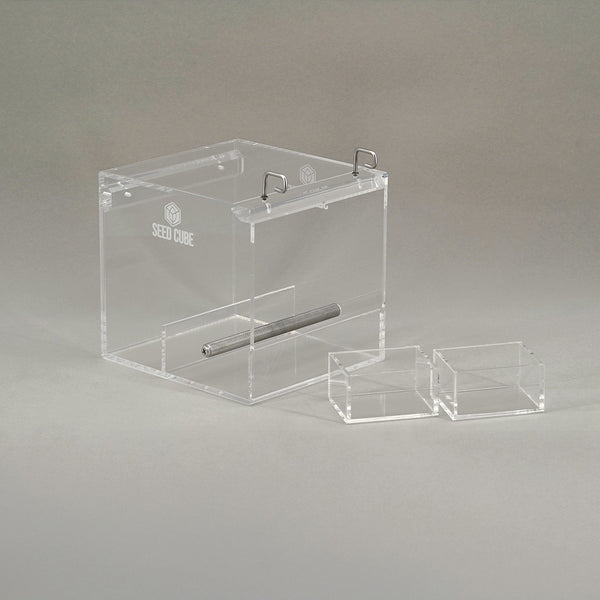
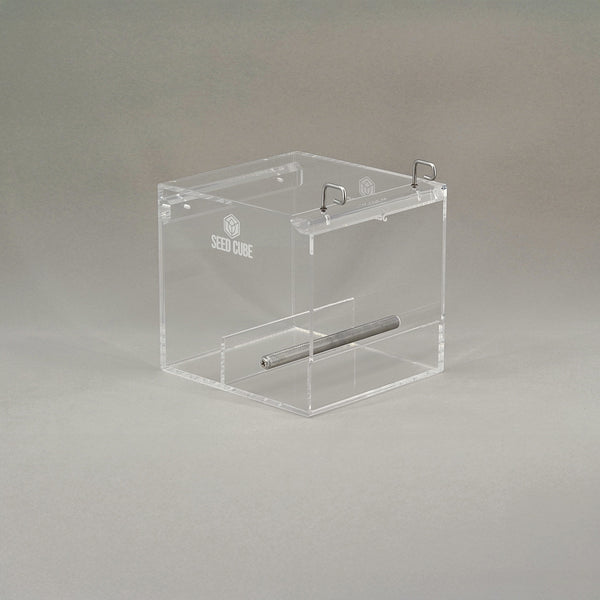
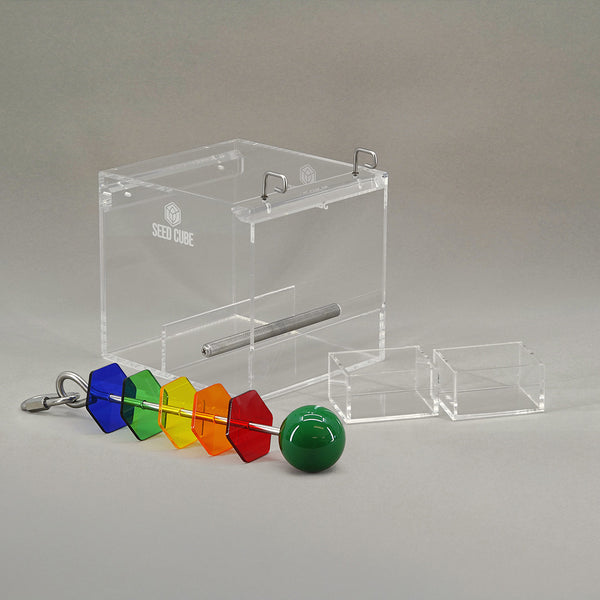
The Small Seed Cube is an enclosed UV-stable acrylic feeding chamber that keeps the husking inside the feeder. Your rosella steps in, feeds, and the mess stays contained.

Species hero image
Platycercus spp.

Rosella

Bright, busy Australian ground feeders that need their seed kept clean and off the floor

Behavioral Profile

Mess Potential High
Low High
Vocalization Level Moderate
Quiet Loud

Species Specifications

Size

Small (30 to 37 cm)

Weight

95 to 170 g depending on species

Feather Type

Powder-light, low dander

Lifespan

15 to 25 years in captivity

Temperament

Active, independent and very territorial with other birds

Origins

Australia and Tasmania

Suitable Foods

Small parrot pellets, quality seed mix, daily greens and vegetables, native browse

Care Level

Beginner to intermediate

Care Notes

Common Feeding Mistakes
The most common mistake is a sunflower-heavy seed mix and nothing else. Rosellas pick out the fatty seed and leave the rest, which drives obesity and leaves them short on vitamin A, calcium and iodine. Build the diet on small parrot pellets with daily vegetables and greens, keep seed to about 10 per cent, and do not let spilled seed build up on the aviary floor, which is the biggest avoidable parasite risk for a ground-feeding parrot.
Habitat Requirements
An outdoor flight aviary suits rosellas better than an indoor cage, with length prioritised so they can fly properly. Floor surface matters more than for most parrots: RSPCA Australia notes a dirt-floored aviary holding ground feeders is the setup most likely to cause heavy parasite losses, while concrete or pavers can cut worming to two or three times a year. Provide natural branch perches, native browse such as bottlebrush and eucalyptus, and a shallow bath. Note that most rosella species require a licence in Victoria.
Handling & Socialisation
Rosellas are watchers rather than cuddlers. A hand-raised bird can become confident and will step up, but most stay somewhat aloof, dislike sustained handling and rarely learn to talk. They are aggressive toward other birds and should not be mixed, so one pair to an aviary is the standard recommendation. Native browse, foraging and chewable wood will keep a rosella occupied far better than forced social time.

THE ROSELLAS MESS PROBLEM

Rosellas are high-mess feeders. They crack each seed, drop the husk and reject anything they do not fancy, so an open bowl empties onto the floor faster than it empties into the bird.

The enclosed chamber catches husks and spill. For a ground-feeding parrot that matters twice over: you sweep less, and there is less loose seed on the floor tempting your rosella to spend its day down among the droppings.

It does not replace a cleanable aviary floor, daily dish washing, or the worming programme your avian vet sets.

Icon

Husks sprayed outside the cage

Icon

Seed wasted during constant shelling

Icon

Mess building up on cage floors and trays

Icon

More frequent cleaning and refilling

Icon

Seed Cube keeps husks and seed contained inside the feeding area.

Hero image
Pale-headed rosella feeding from an open tray feeder, the seed spill a Small Seed Cube prevents

THE FIX

SEED CUBE KEEPS HUSKS CONTAINED

Enclosed feeding reduces husk spray, waste, and daily cleanup.

Icon
Less husk scatter outside the cage
Icon
Less wasted seed during feeding
Icon
Cleaner cage floors and trays

MORE REASONS TO CHOOSE SEED CUBE

Safe by design

Safe by design

Thick SGS-tested UV-stabilised cast acrylic and stainless steel hardware. Smooth edges for your bird.
Aussie owned

Aussie owned

Family business based in NSW. Local team behind every order.
Owner approved

Owner approved

Over 10,000 Seed Cubes in real homes with hundreds of glowing reviews.
Fast support

Fast support

Reach out by email or chat. We actually reply and help.
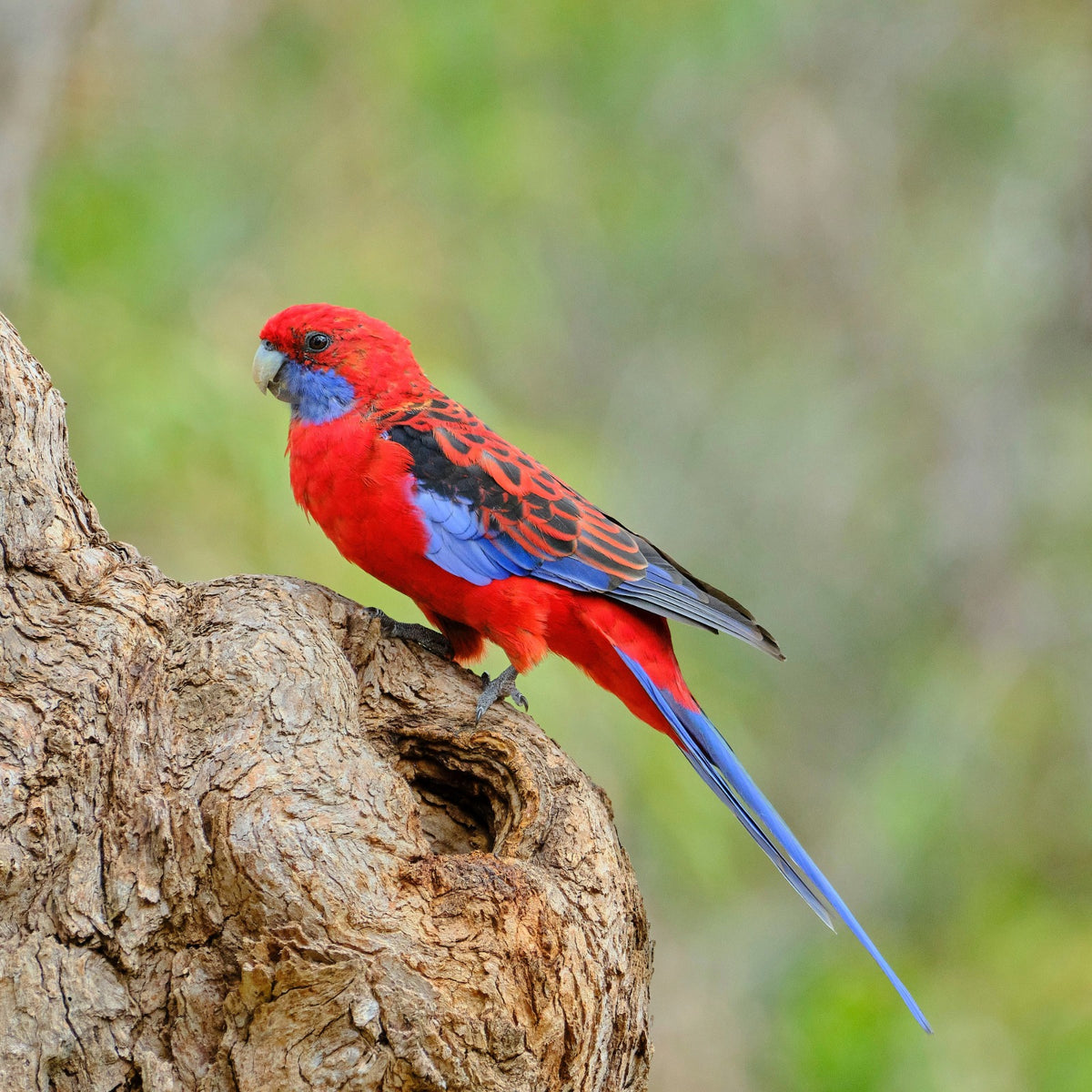
Crimson rosella showing its long tail, sized for the Small Seed Cube no-mess feeder

SIZE GUIDE

WHICH SEED CUBE SUITS ROSELLAS?

Rosellas take the Small Seed Cube. Eastern rosellas weigh about 95 to 120 g and crimson rosellas about 120 to 170 g, comfortably under the 250 g mark where we move a bird up to the Large.

Rosellas look bigger than they are because of the tail, which can run to 37 cm nose to tail. Feeder size follows body weight, not total length, so the Small is still the right pick.

Small Seed Cube dimensions: 14 × 14 × 15 cm
Weight: approximately 600 g

Icon
Small size suits rosellas perfectly
Icon
Fits standard rosella cages and indoor aviaries
Icon
Enough capacity without crowding
Icon
If you keep rosellas, choose the Small Seed Cube
Crimson rosella close-up, a good fit for a Small Seed Cube no-mess feeder

MOUNTING

STAYS STABLE DURING FEEDING

Mount the Seed Cube high on the cage or aviary wire, well clear of the floor, and not directly beneath a perch so droppings cannot fall into the chamber. RSPCA Australia recommends placing food up high in the enclosure to minimise contamination with faeces, which matters more for rosellas than for most parrots.

If you keep a breeding pair, watch for one bird guarding the feeder. Rosellas are rated very aggressive by the Avicultural Society of Australia and are usually kept one pair per flight. If a dominant bird blocks the other, mount a second Seed Cube at the opposite end.

Icon
Secure mounting keeps the feeder steady
Icon
No swinging or tipping during feeding
Icon
Designed for cage mounting, not loose bowls
Icon
Feeding stays controlled and contained
Eastern rosella foraging on the ground, the habit a Small Seed Cube no-mess feeder helps reduce

Designed for rosellas

WHY SEED CUBE WORKS FOR ROSELLAS

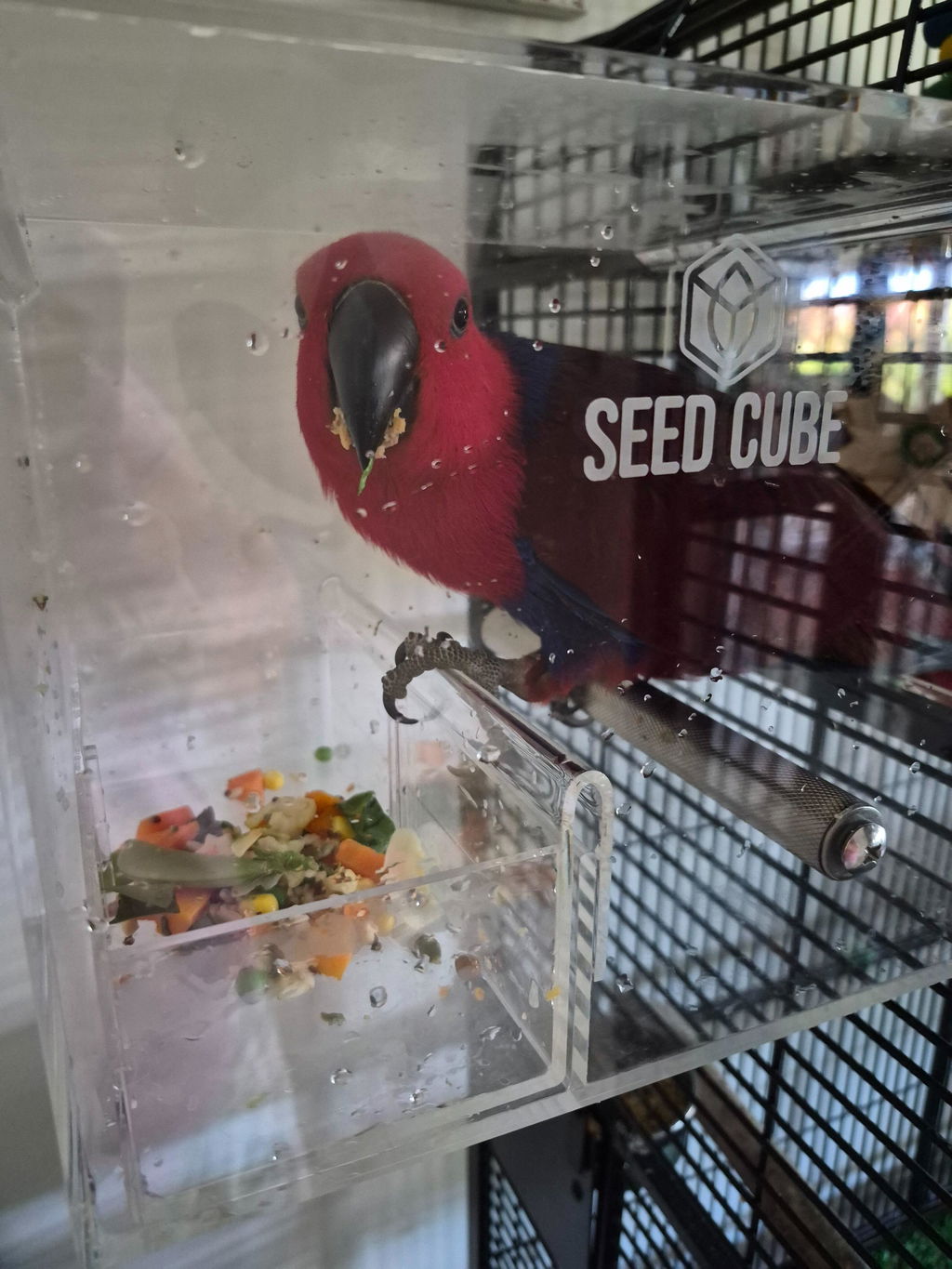
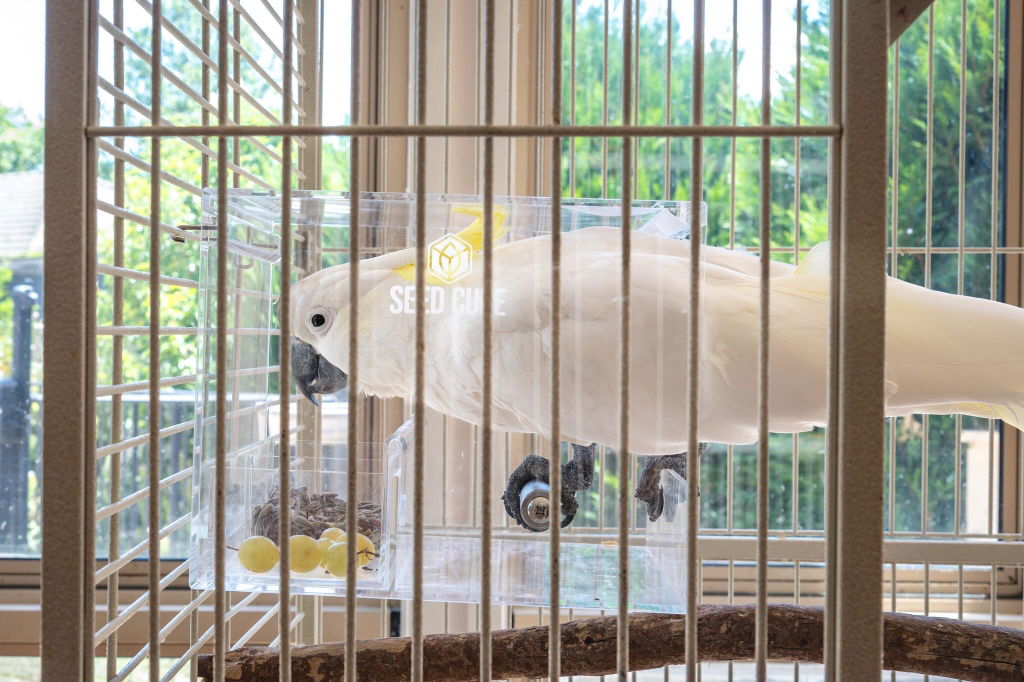
The Seed Cube solves the problem a rosella's feeding style creates. It is an enclosed UV-stable acrylic chamber with a knurled 304 grade stainless steel perch, easily strong enough for a small parrot beak, and it contains the husking and flicking.

RSPCA Australia notes ground feeders are at far greater risk of intestinal parasites than canopy dwellers, because worm eggs pass out in droppings and survive on the aviary floor. Less spilled seed means less reason for your rosella to forage down there.

Clear walls let you see the seed level without opening anything, and the chamber wipes out in seconds.

Icon
Enclosed feeding area traps husks
Icon
Clear acrylic allows easy food visibility
Icon
Comfortable access for small rosella bodies
Icon
Stable design prevents movement
Icon
Husks stay inside the cube, not on your floor

Why the Small Seed Cube works long term

The Small Seed Cube supports rosella feeding habits while keeping cages cleaner day after day.

Trusted by Wildlife Experts

We're proud to be supported by people who dedicate their lives to the wellbeing of birds.

Ben Dessen — TV Personality, CEO & Director - Hills Wildlife Sanctuary
★★★★★

Ben Dessen

TV Personality, CEO & Director - Hills Wildlife Sanctuary

“We are so grateful to the team at Seed Cube for their generous ongoing sponsorship and support of our wildlife rescue and rehabilitation work. Not only does Seed Cube provide a monthly monetary donation, but they also donated some of their amazing and innovative products! We have been using the Seed Cubes with a number of our native animals and they make such a massive difference reducing food waste and mess. They are really durable and great quality, and our animals and volunteers love using them on a daily basis.”

ROSELLA FEEDING AND SEED CUBE FAQs

Common questions about feeding rosellas and keeping the cage clean with Seed Cube.

Yes. Rosellas are small parrots. Eastern rosellas weigh roughly 95 to 120 g and crimson rosellas roughly 120 to 170 g, so every rosella sits comfortably under the 250 g mark where we move a bird up to the Large. The Small Seed Cube is the correct size. Rosellas look larger than they are because of the long tail, but feeder size follows body weight, not total length.
No. Rosellas are enthusiastic chewers and will strip aviary branches, but their beak is small-parrot scale, nothing like a cockatoo or macaw. The Seed Cube is 4 mm UV-stable acrylic with a knurled 304 grade stainless steel perch and stainless steel hooks, which is well beyond what a rosella beak can damage. Give your birds separate wood and native browse to chew so the chewing drive has somewhere useful to go.
A lot. Rosellas are seed eaters that husk as they feed, and they flick the shells and the seed they do not want. In an open dish most of that ends up on the aviary or cage floor. The enclosed Seed Cube contains the husking, so the spill stays inside the feeder instead of on the ground.
Because rosellas are ground feeders. RSPCA Australia notes that ground-feeding Australian parrots are at much greater risk of picking up intestinal parasites than canopy dwellers, because worm eggs pass out in droppings and survive on the aviary floor. Spilled seed on a dirt floor gives a rosella a reason to spend its day down there. Containing the seed reduces one of those triggers. It does not replace a cleanable floor or a worming programme set by your avian vet.
Mount it high, on the cage or aviary wire, well above floor level and away from perches that sit directly above it so droppings cannot fall in. RSPCA Australia recommends placing food up high in the enclosure to minimise contamination with faeces. Position it where you can reach it easily for a daily top-up and wipe-out.
Usually one is enough for a pair, but watch them. The Avicultural Society of Australia rates rosellas as very aggressive and recommends one pair to an aviary, and a dominant bird can guard a single feeding station. If you see one bird blocking the other, add a second Seed Cube at the far end of the flight so both birds can feed without conflict.
Wipe the chamber out and top the seed up daily, and give it a proper wash in hot soapy water on the same schedule you wash the food and water dishes, which RSPCA Australia puts at daily. Let it dry fully before refilling. Damp seed in a warm Australian summer is how mould and bacteria get started.
Slowly, and never by starving it. Keep the familiar mix available while you introduce pellets and fresh food alongside it, offer the new food first thing in the morning when the bird is hungriest, and weigh your bird regularly so you can see it is still eating. Rosellas are neophobic about new food and a switch can take weeks. Ask your avian vet to check the bird's weight and condition during the transition.

SEED CUBE SETUPS FOR ROSELLAS

4.91 from 91 reviews
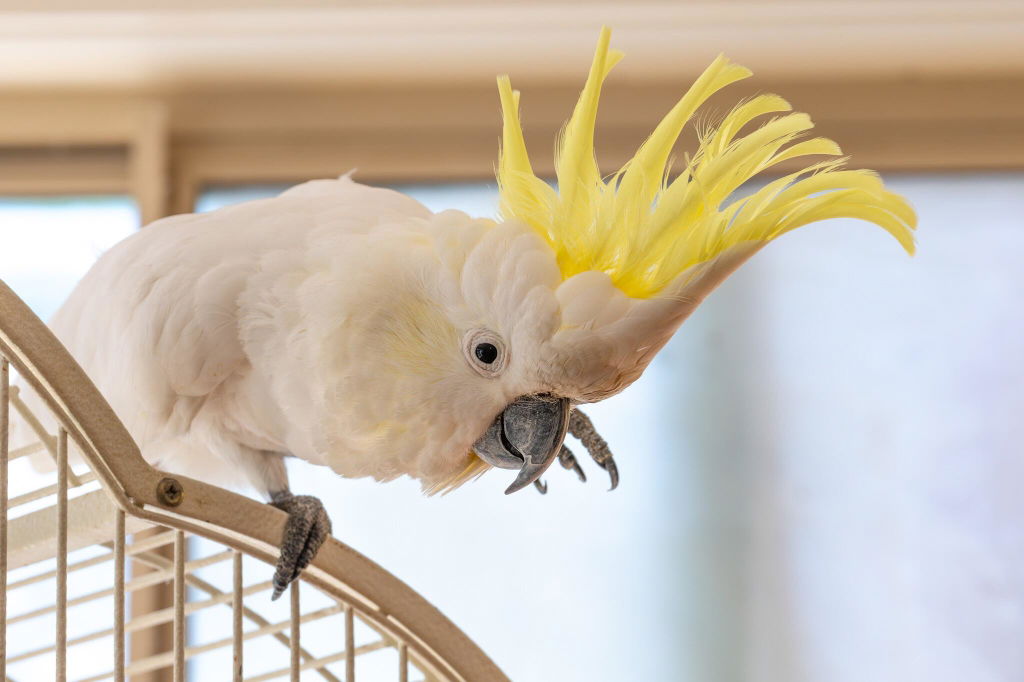
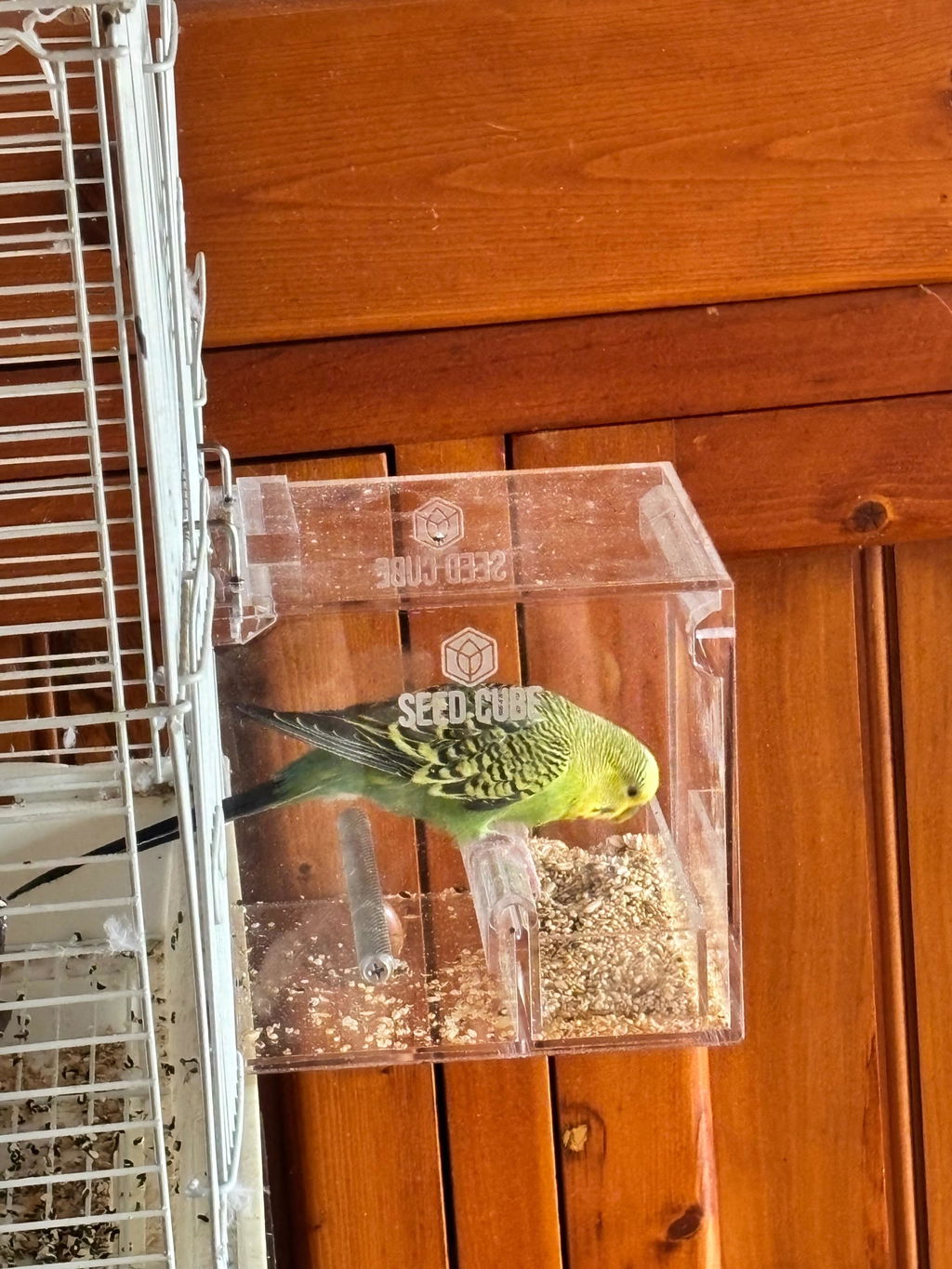
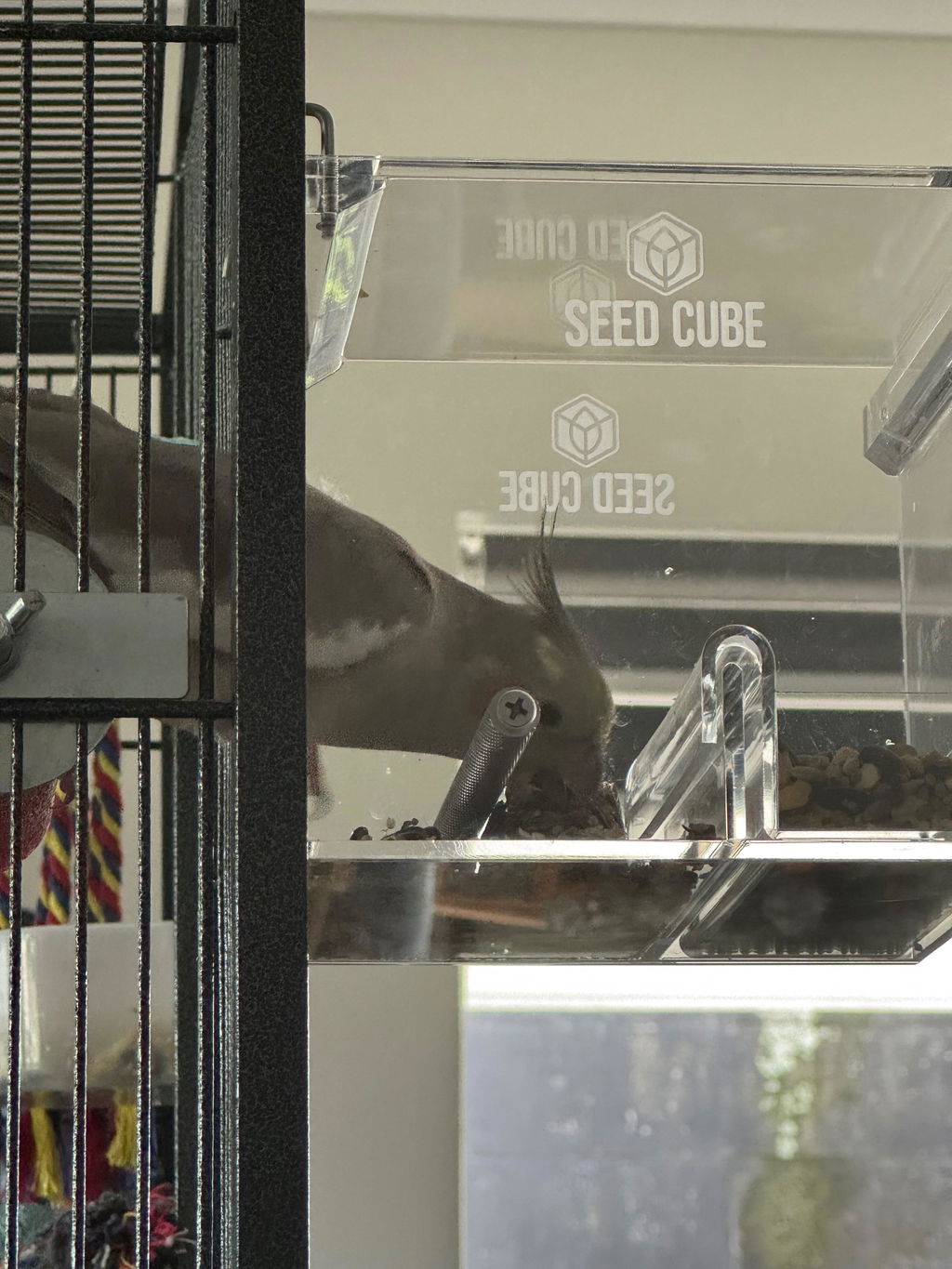
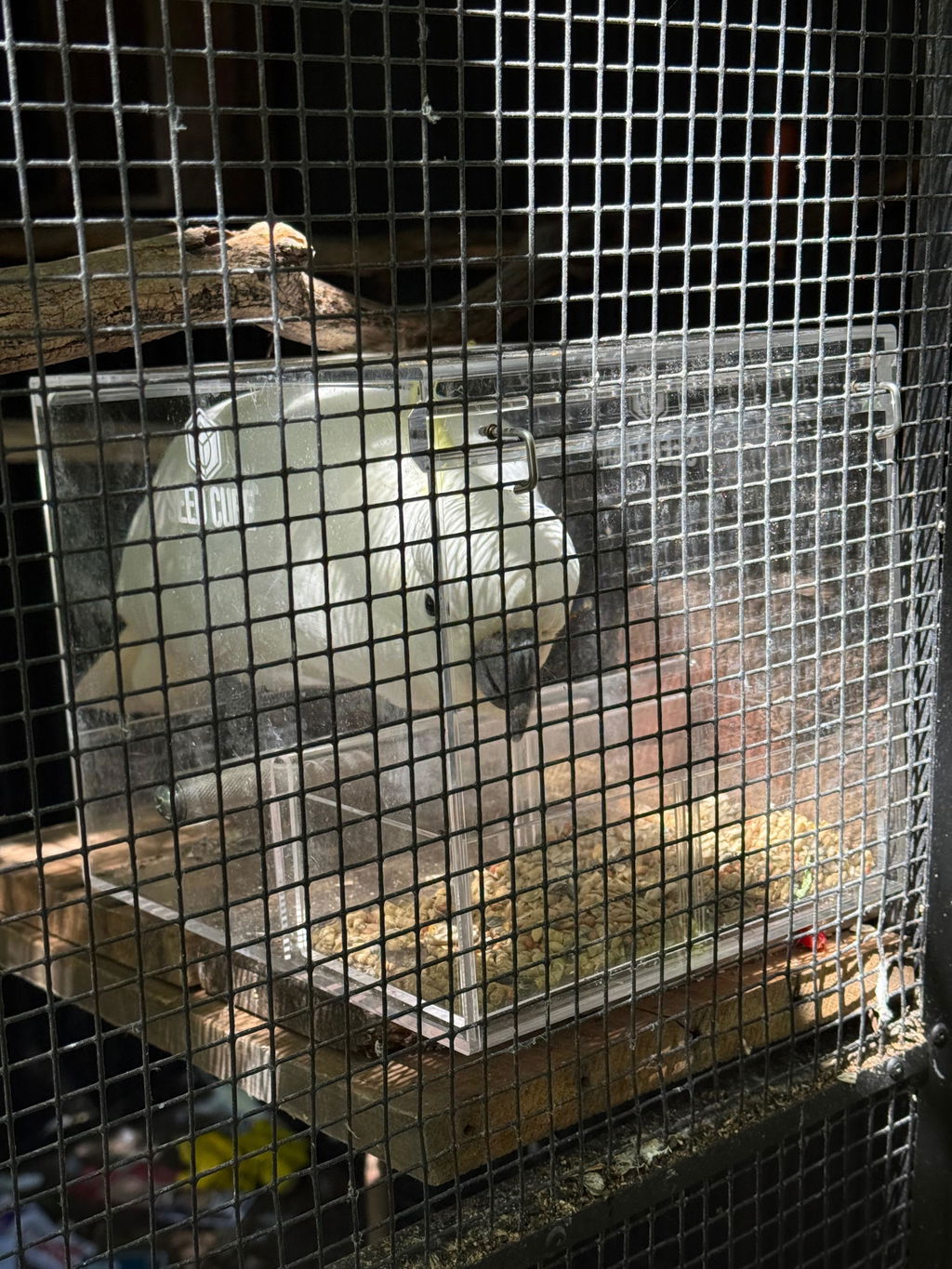
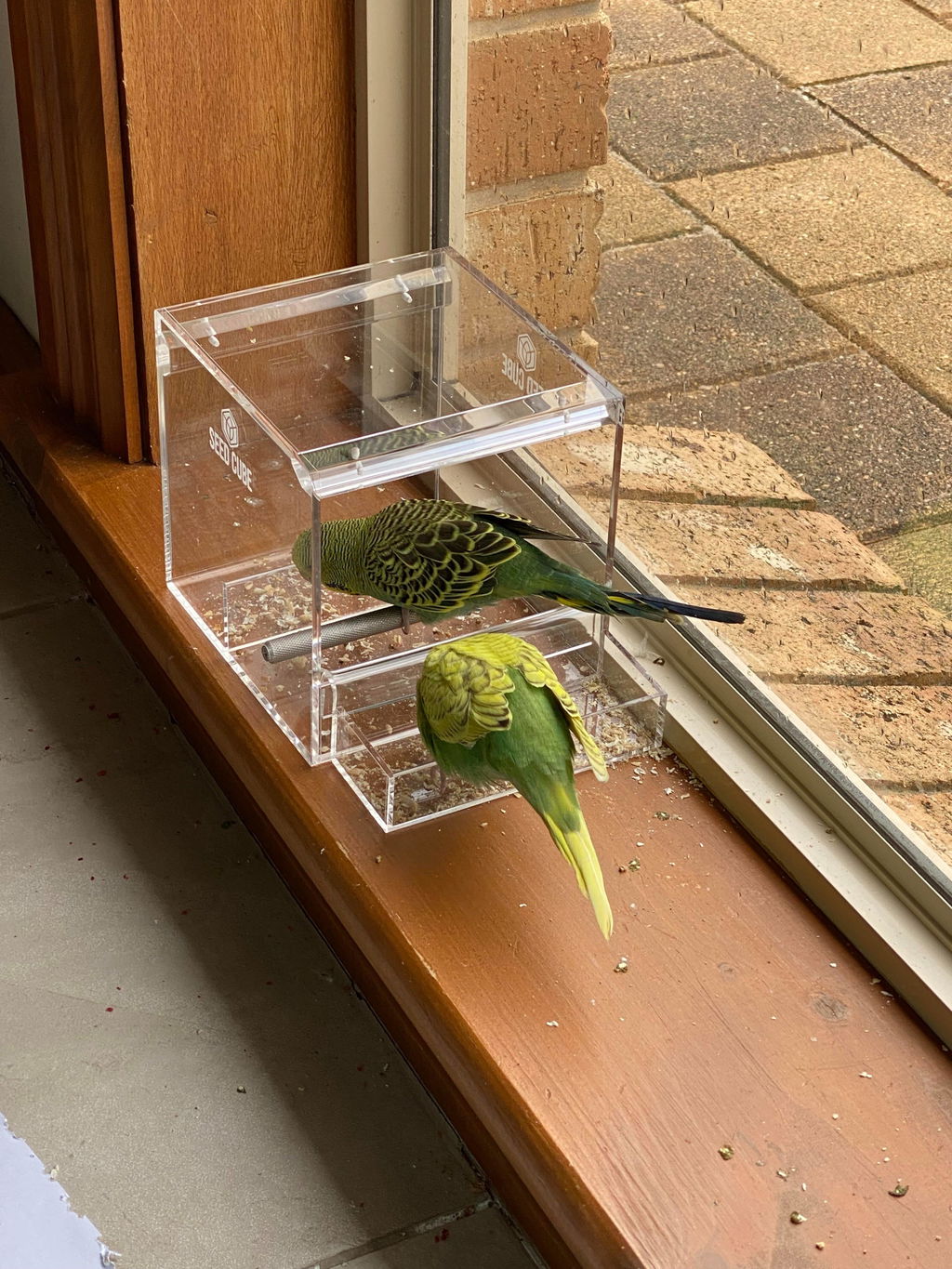
Cockatoo at Hills Wildlife Sanctuary supported by Seed Cube

Giving Back

SUPPORT NATIVE WILDLIFE WITH EVERY PURCHASE

Every Seed Cube order helps fund the work of Hills Wildlife Sanctuary in Sydney’s northwest. A portion of each sale goes toward caring for injured and orphaned native animals.

Hills Wildlife Sanctuary has been rescuing and rehabilitating Australian wildlife since 1977. Set on 35 acres of bushland beside Berowra Valley National Park, their team of vets, zoo keepers, carers and volunteers provides treatment, long term care for animals that cannot be released, and training for wildlife carers across NSW.

When you choose Seed Cube, you help support real hands on work that protects Australia’s native birds and other wildlife.

Russell and Peita, founders of Seed Cube, an Aussie family bird feeder brand

Meet the founders

An Aussie family brand, built for cleaner bird feeding.

Hi, we are Russell and Peita.

Seed Cube started at home with one very determined Alexandrine. After years of cracked plastic, slipped mounts, and constant clean ups, we realised most feeders were not built to handle real birds or daily use.

We set out to build something we would actually trust.
That same focus on strength, stability, and cleaner feeding now guides how we design feeders for daily cage use.

There are now over 10,000 Seed Cubes in use worldwide. We do not build feeders to be cheap. We build them so feeding feels easier and spaces feel calmer.

Icon
Aussie owned Sydney based family business.
Icon
Real bird owners Built from living with birds, not from a desk.
Icon
10,000+ Cubes Proven in real cages and homes.
Seed Cube no mess bird feeder built from durable acrylic

DURABLE BY DESIGN. BUILT FOR DAILY ROSELLA FEEDING.

Cheap feeders crack, fall, and need replacing. Seed Cube’s thick acrylic and stainless hardware are built to handle daily rosella feeding and last long term.