Wild Bird Feeders for Australian Backyards

Wild bird feeders allow you to support native birds in Australian backyards, gardens, and balconies when used responsibly. From hanging bird feeders to nectar feeders for lorikeets, the right feeder design, placement, and hygiene all matter.

Hanging Bird Feeders for Outdoor Use

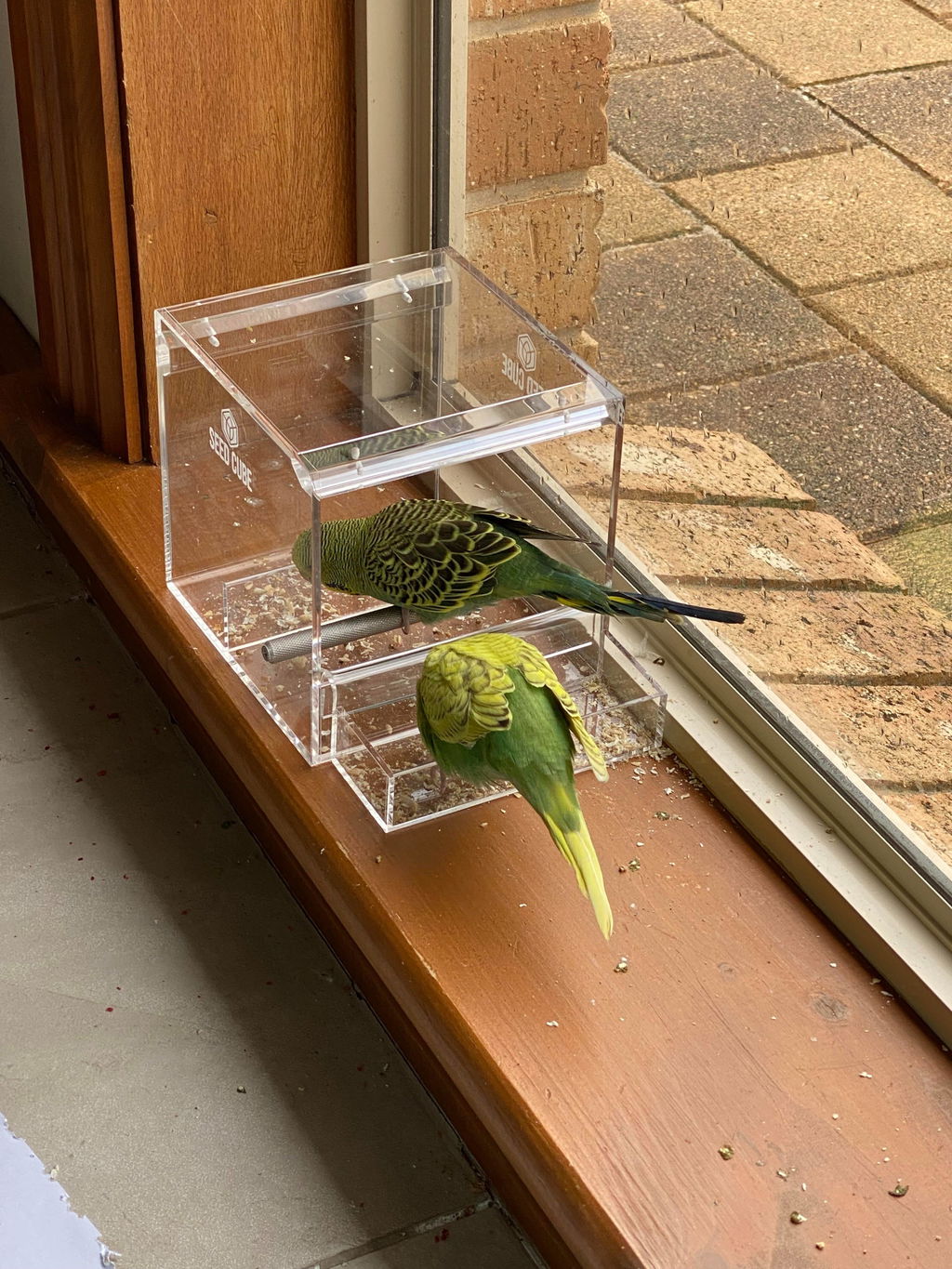
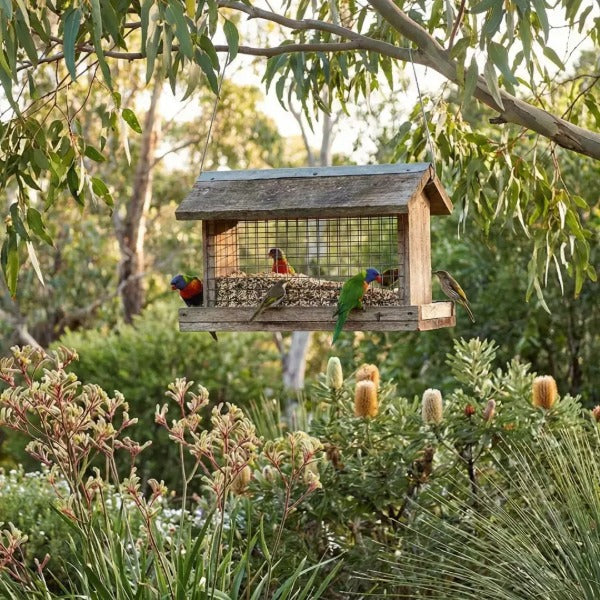
Hanging bird feeders are one of the most effective ways to feed wild birds outdoors. By keeping food elevated, hanging feeders help reduce mess, improve visibility for birds, and make placement easier in gardens and balcony spaces.

Icon

Suitable for gardens and balconies

Icon

Keeps food off the ground

Icon

Reduces waste when positioned correctly

Icon

Poor placement can attract pests

Icon

Overcrowding can cause stress

Hero image
Seed Cube feeding problem visual

Nectar Feeders

Nectar Feeders for Lorikeets and Nectar Eating Birds

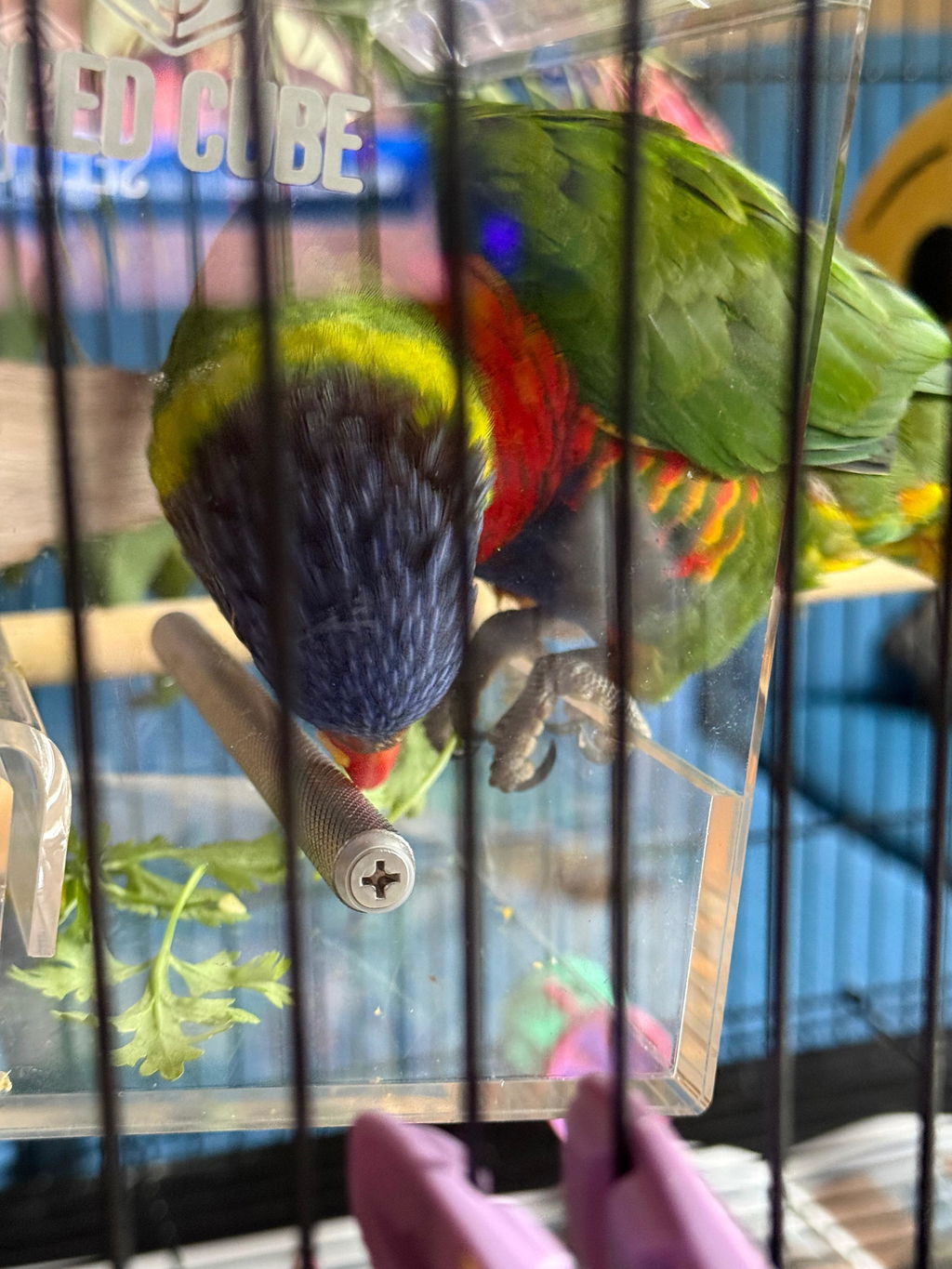
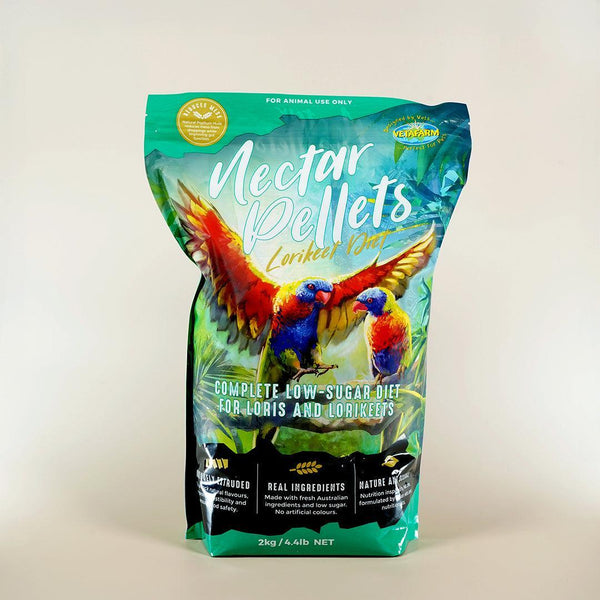
Nectar feeders are designed specifically for nectar eating birds such as lorikeets. Using an appropriate nectar feeder helps support natural feeding behaviour while allowing nectar to be replaced and cleaned regularly.

Icon
Designed for nectar eating birds
Icon
Supports controlled feeding
Icon
Easy to clean when maintained regularly
Icon
Nectar spoils quickly in warm weather
Icon
Poor hygiene can cause problems

MORE REASONS TO CHOOSE SEED CUBE

Safe by design

Safe by design

Thick food safe acrylic and stainless steel hardware. Smooth edges for your bird.
Aussie owned

Aussie owned

Family business based in NSW. Local team behind every order.
Owner approved

Owner approved

Over 10,000 Seed Cubes in real homes with 190+ verified reviews.
Fast support

Fast support

Reach out by email or chat. We actually reply and help.
Seed Cube feeding problem visual

WHICH BIRDS USE FEEDERS

Which Birds Use Feeders in Australia

Some native birds will readily use feeders, while others prefer natural foraging. Feeder birds often return to familiar feeding spots, especially when food is presented safely and consistently. Behaviour varies by species, region, and food type.

Icon
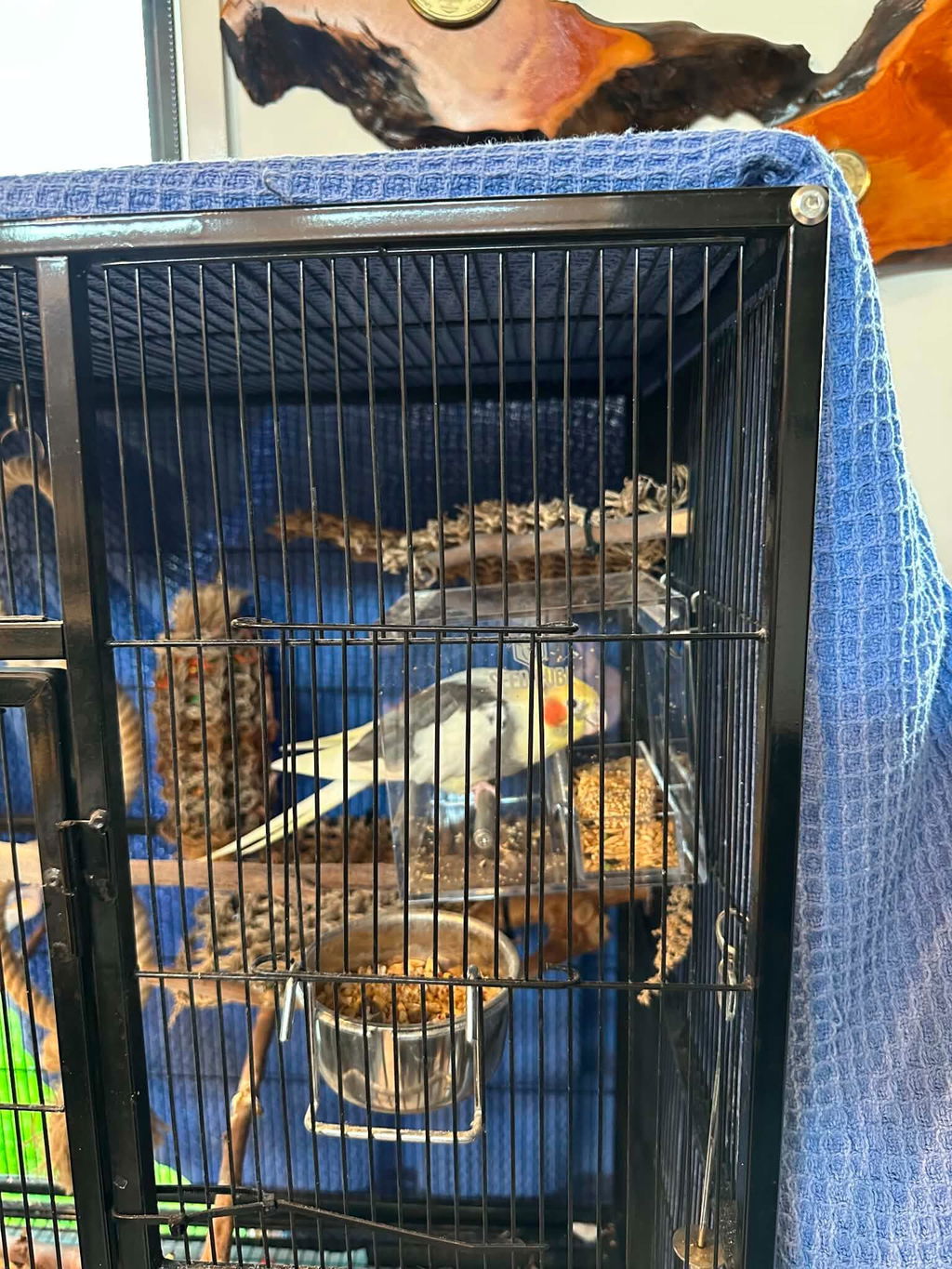
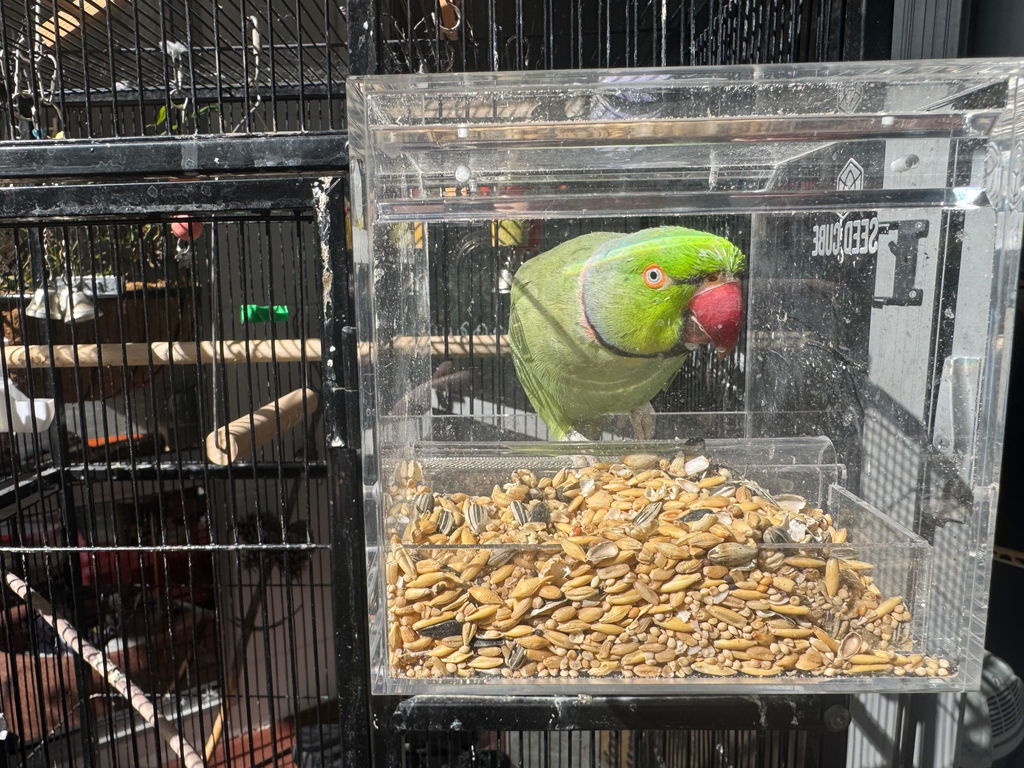
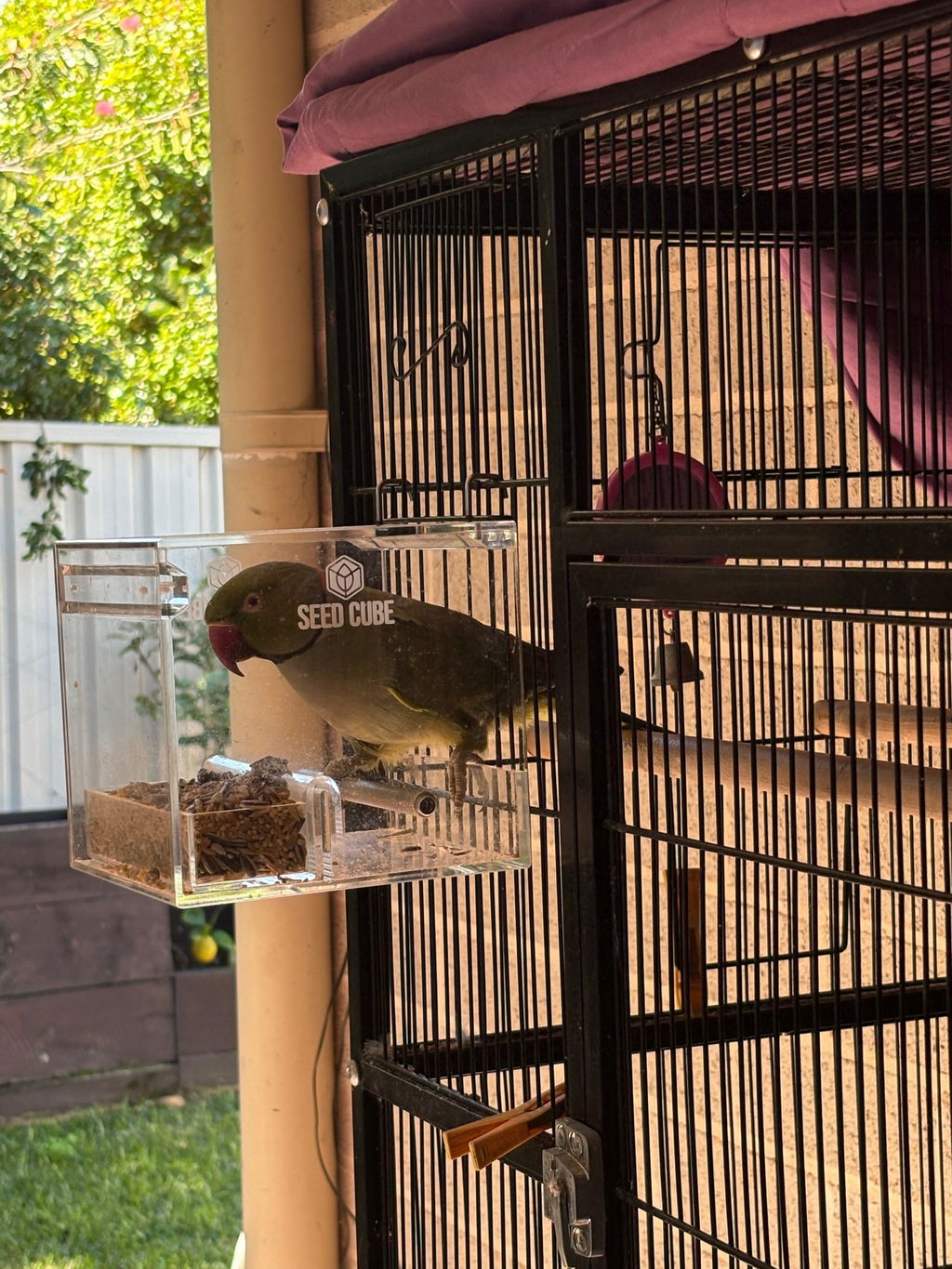
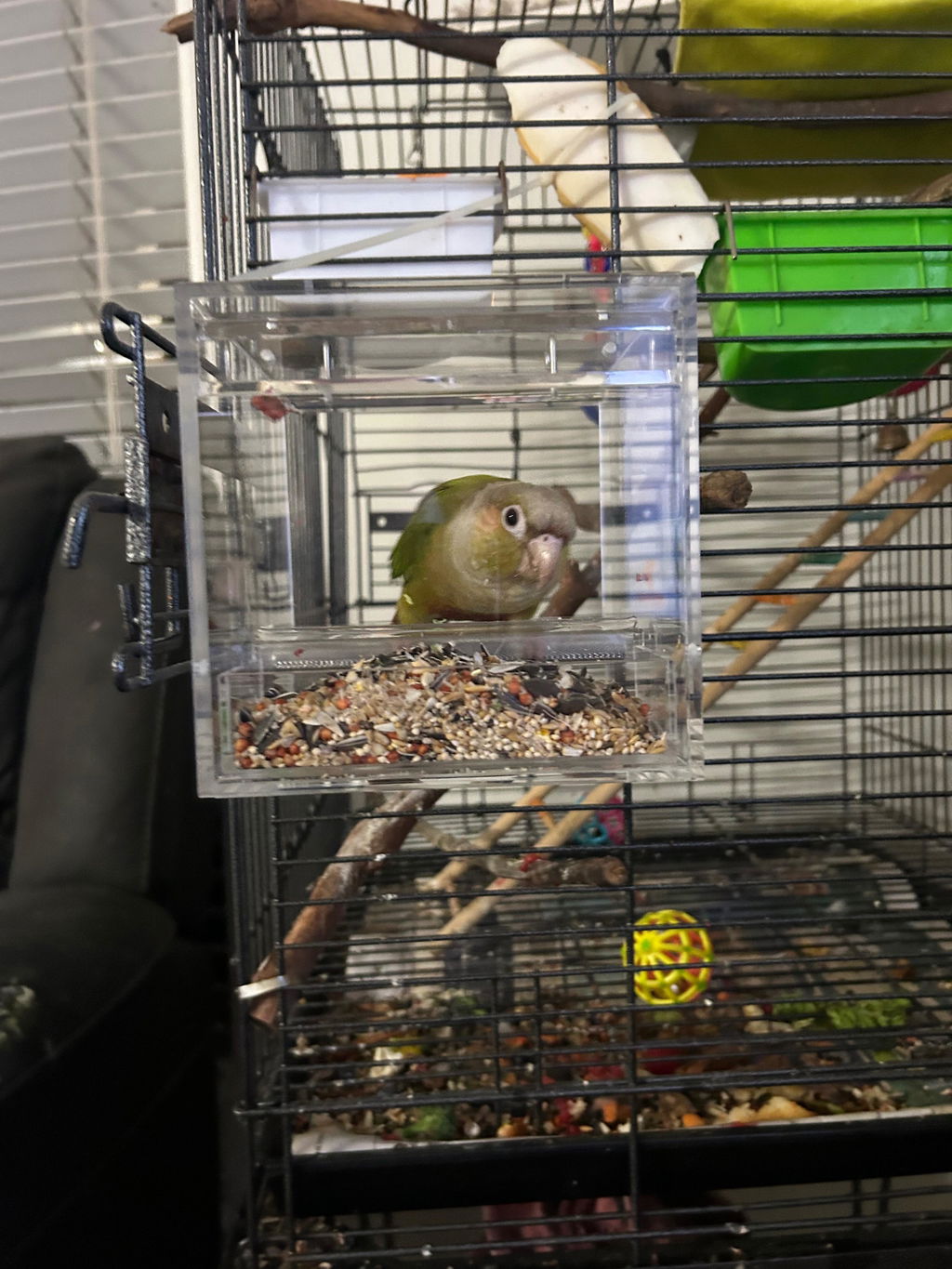
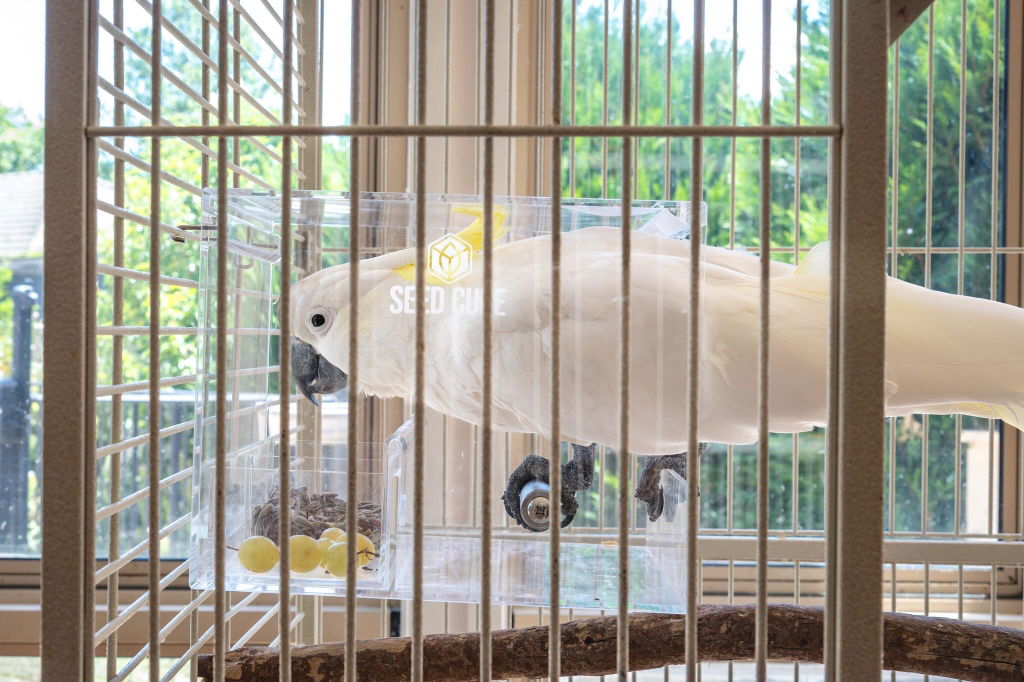
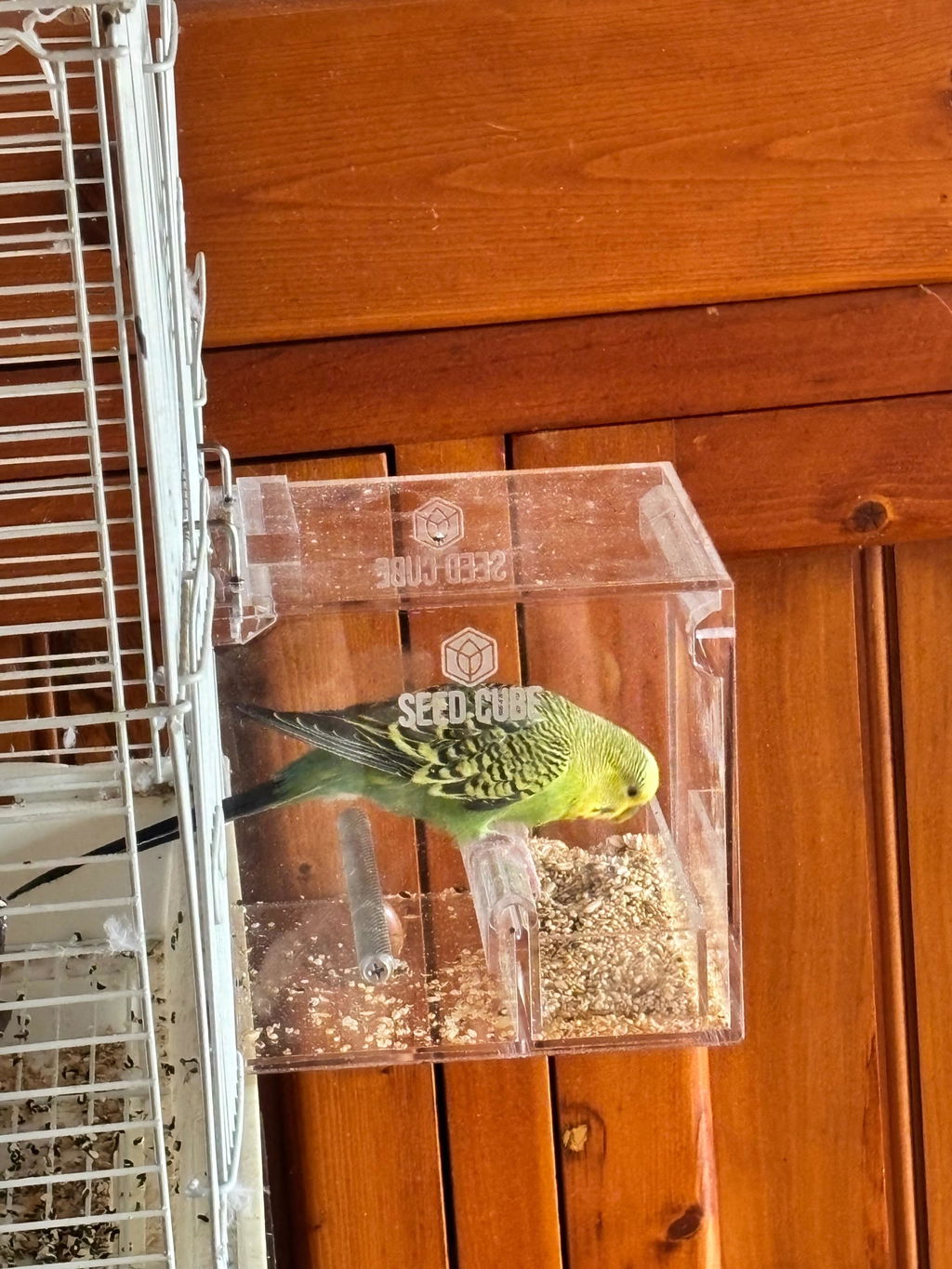
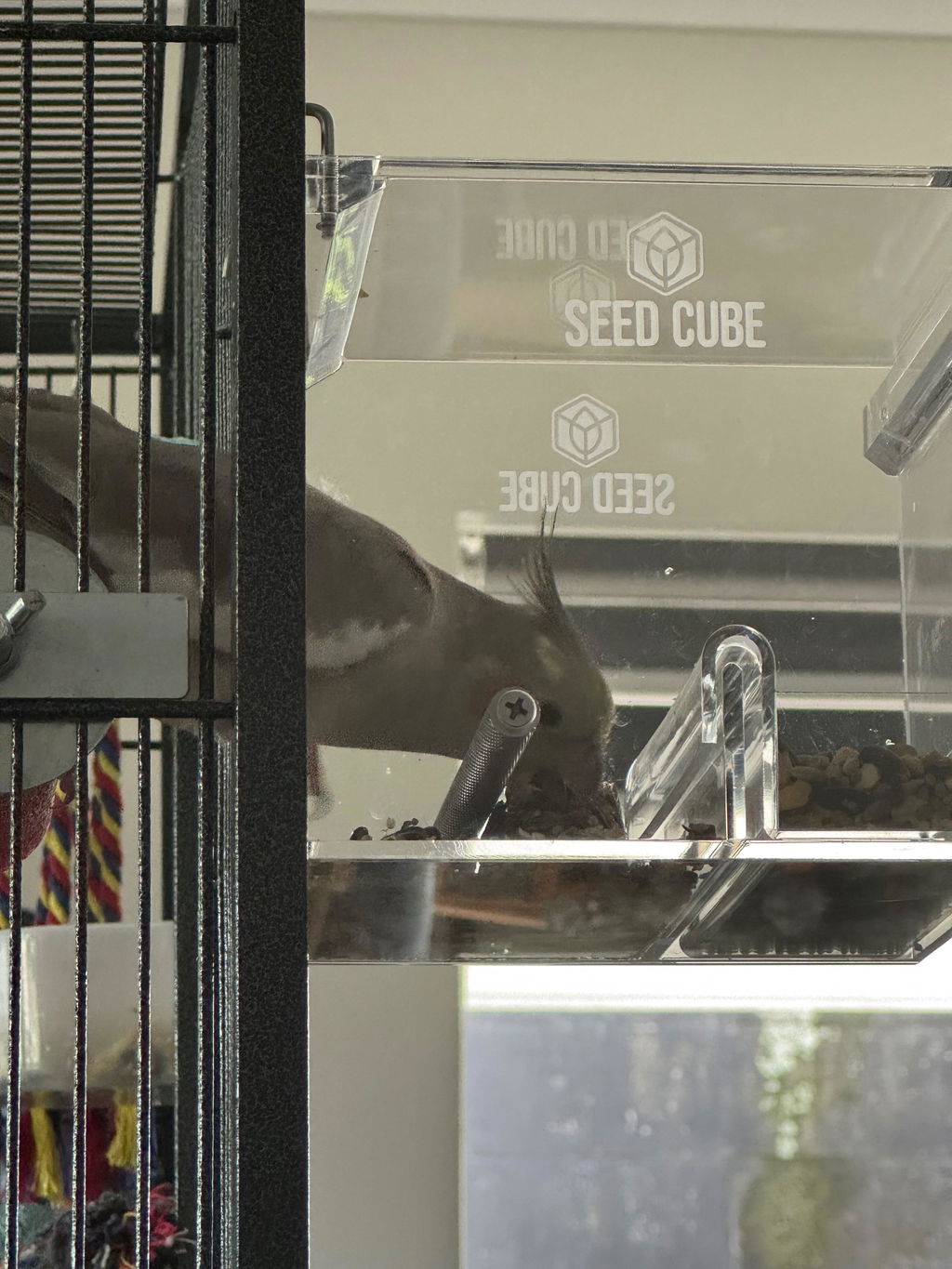
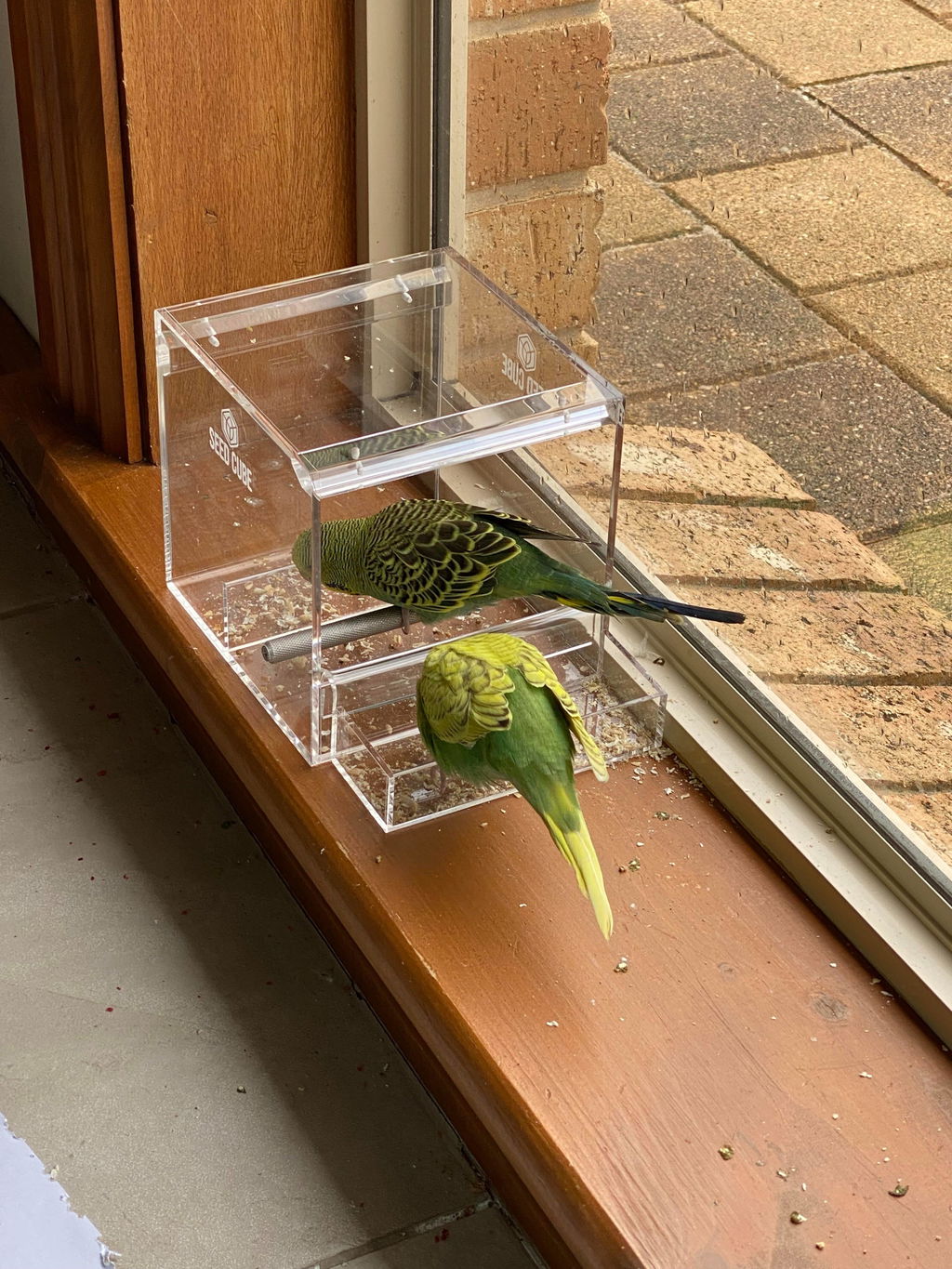
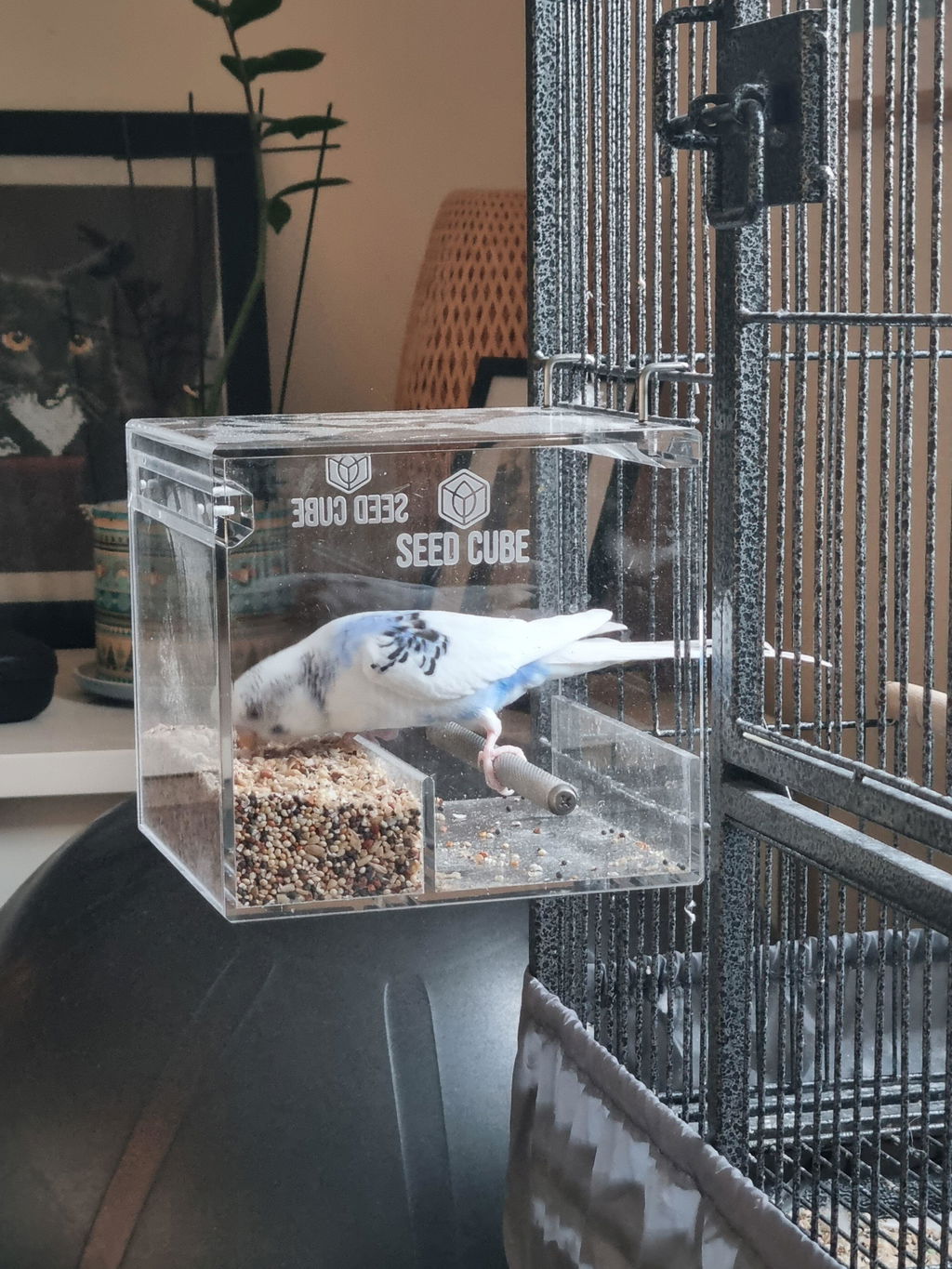
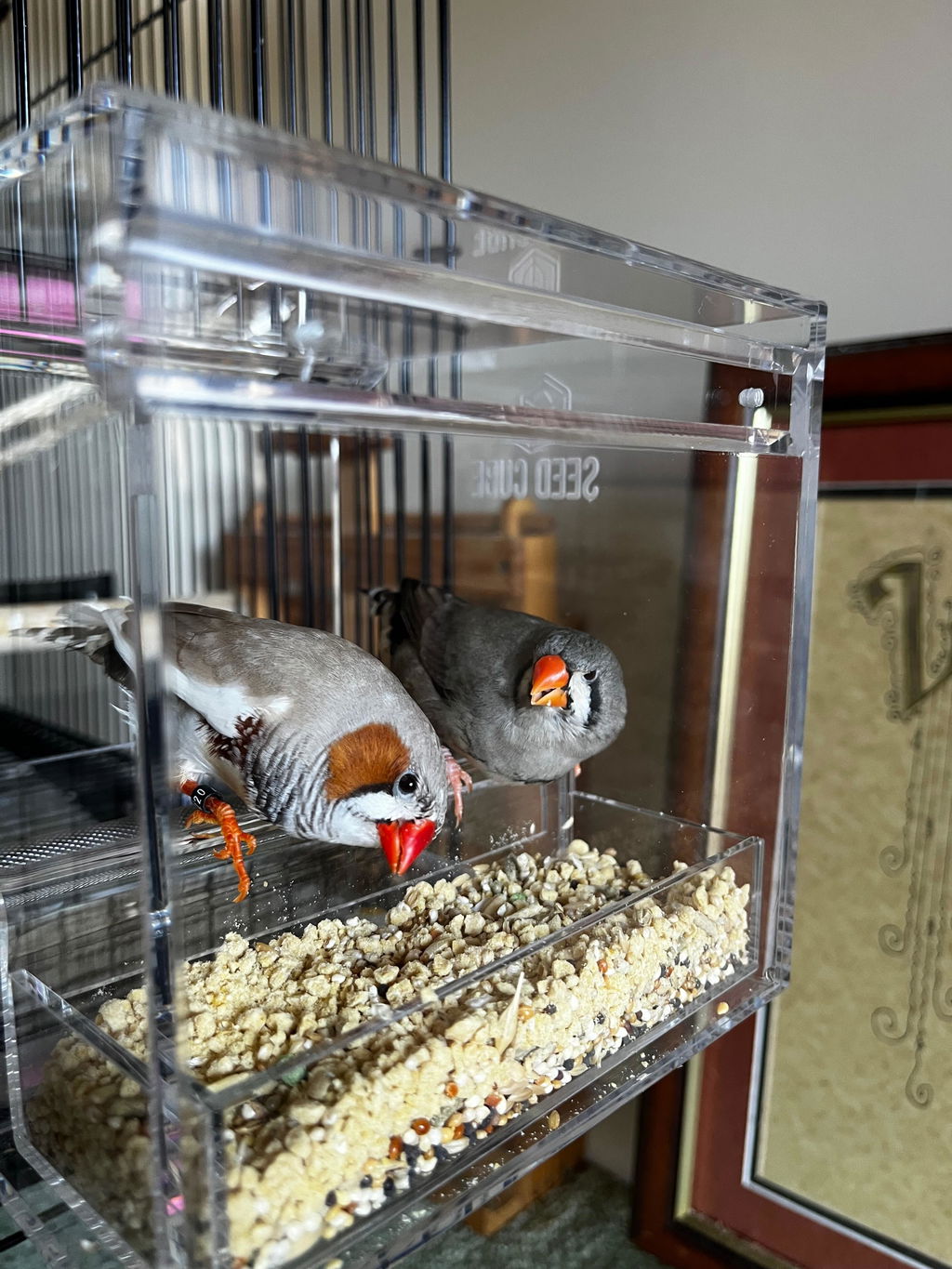
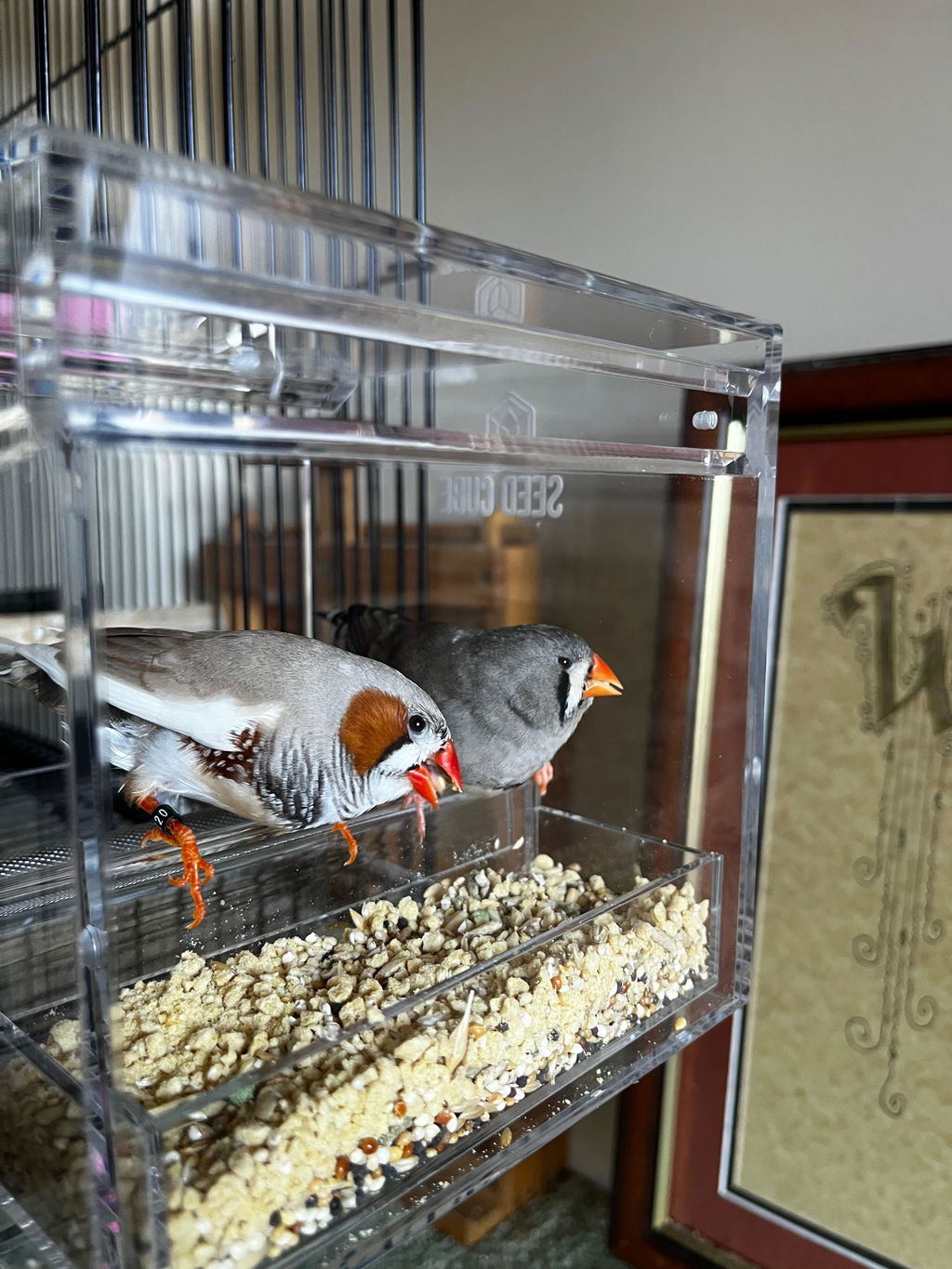
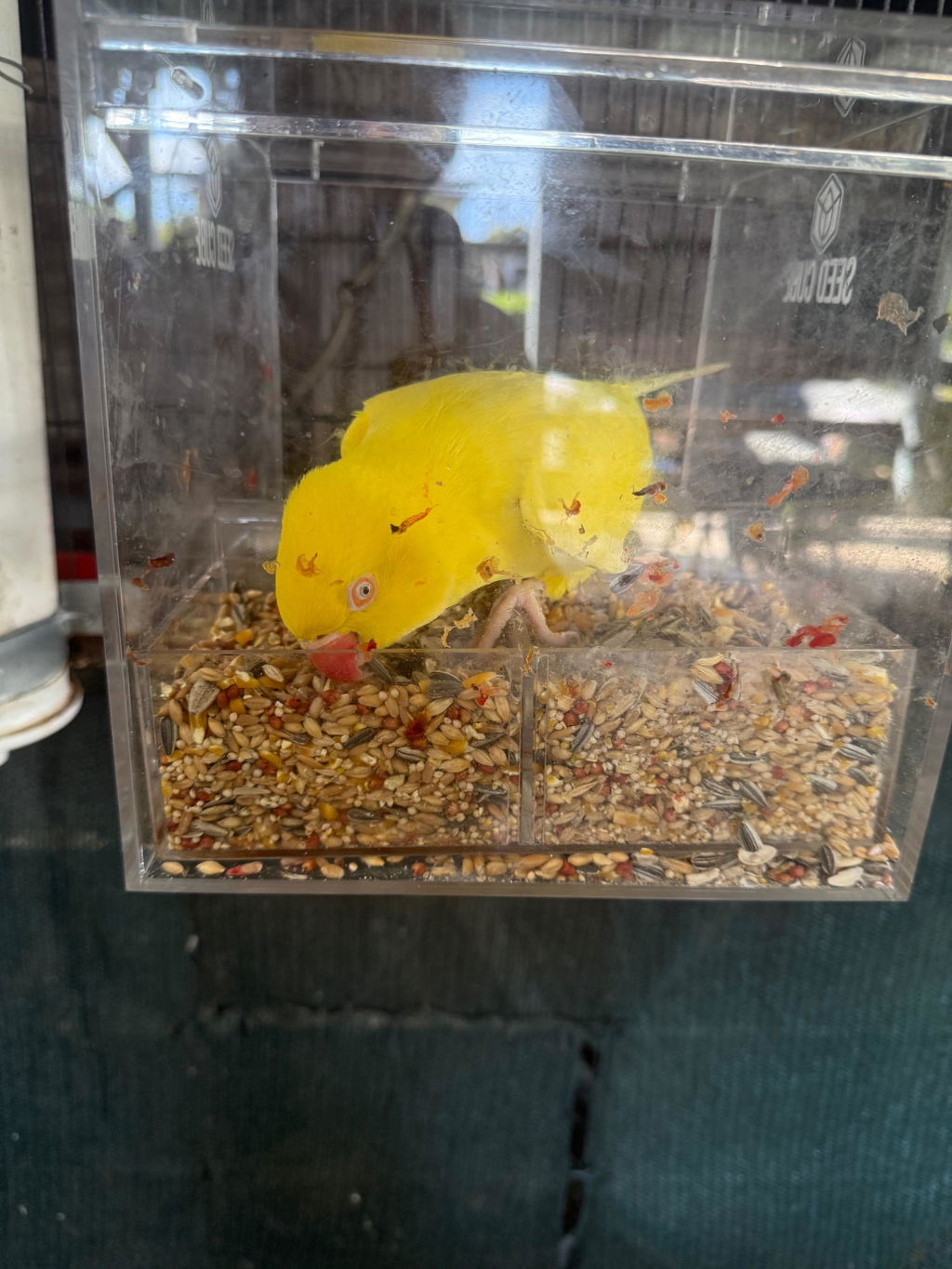
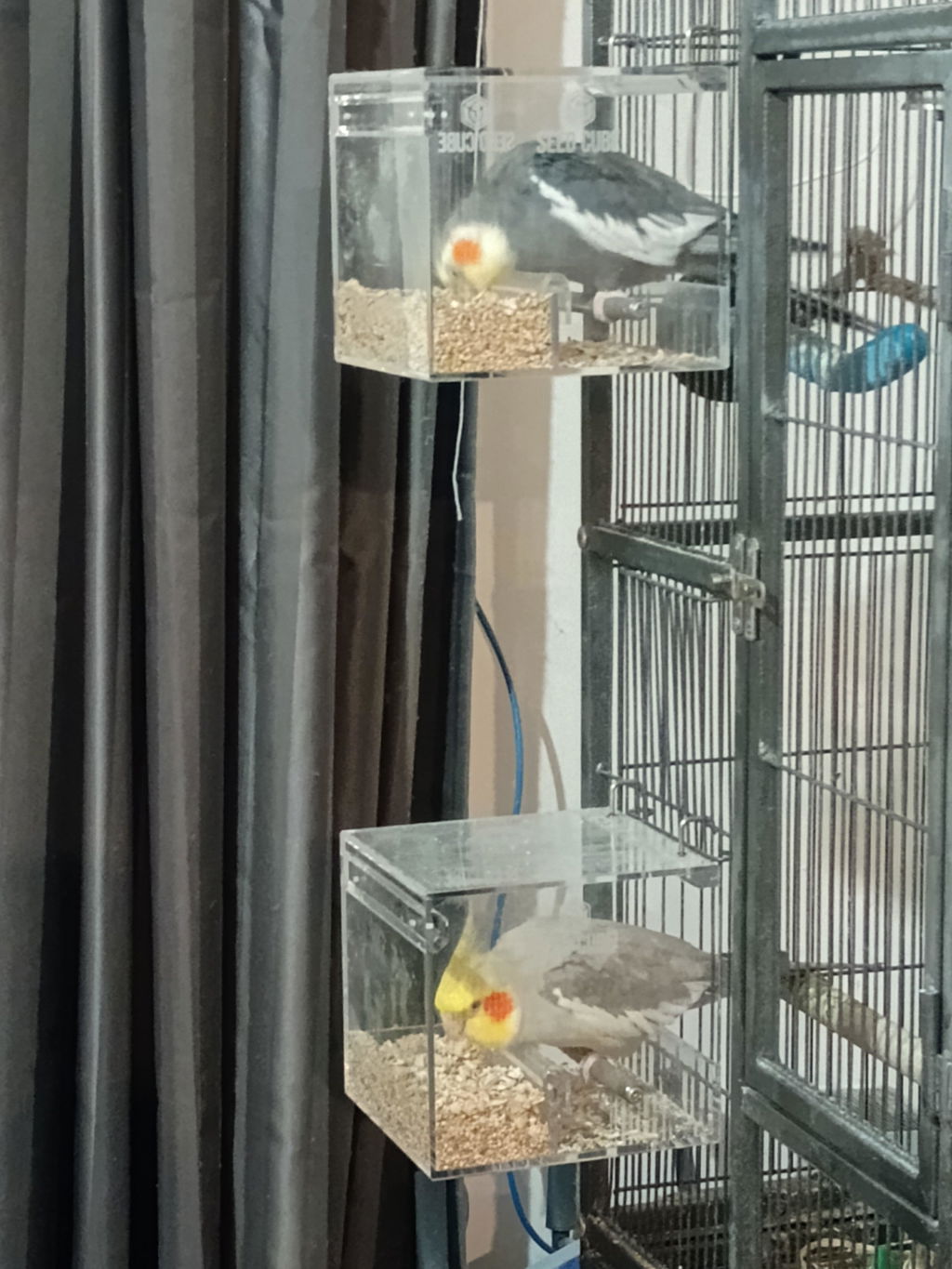
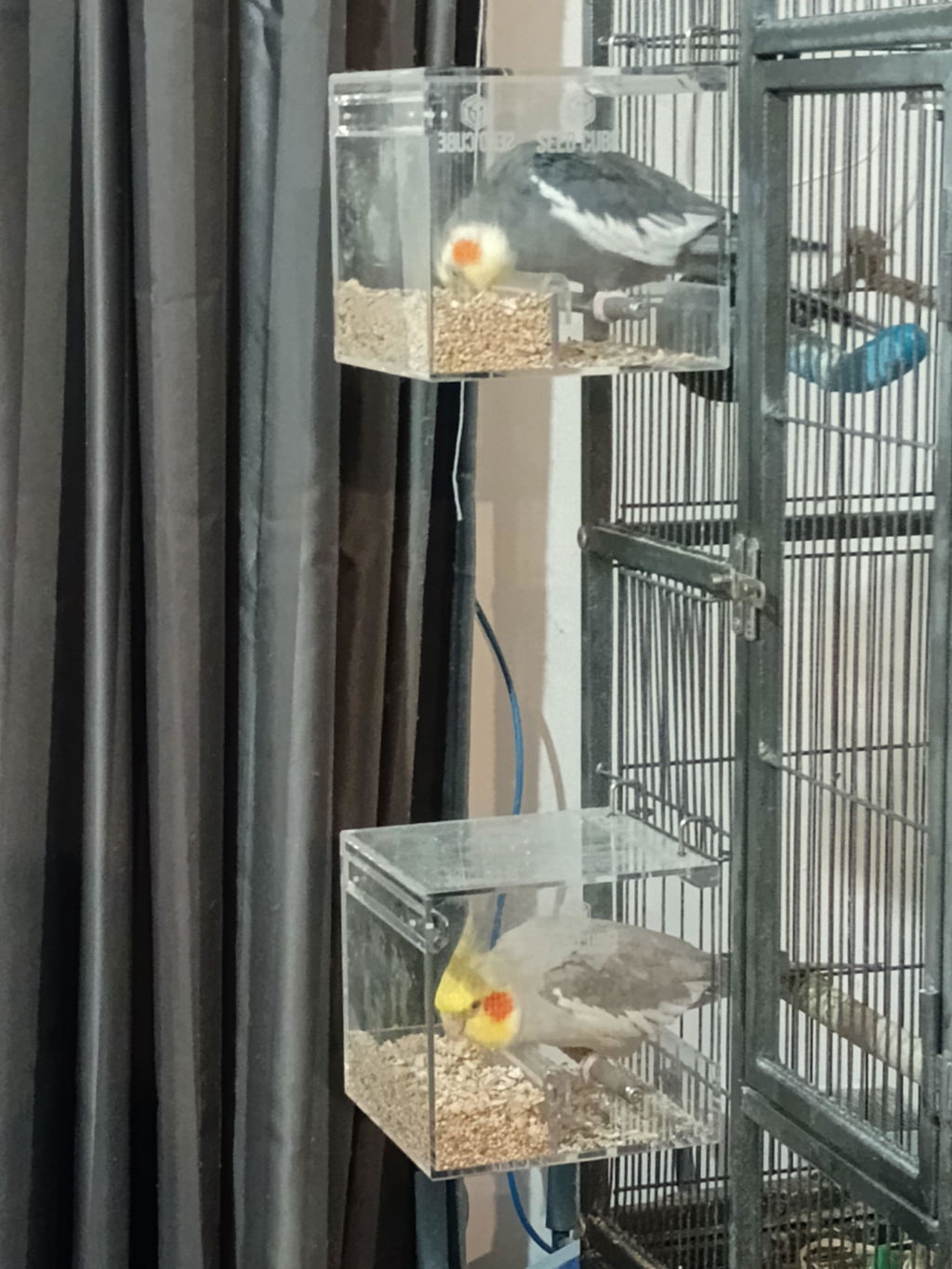
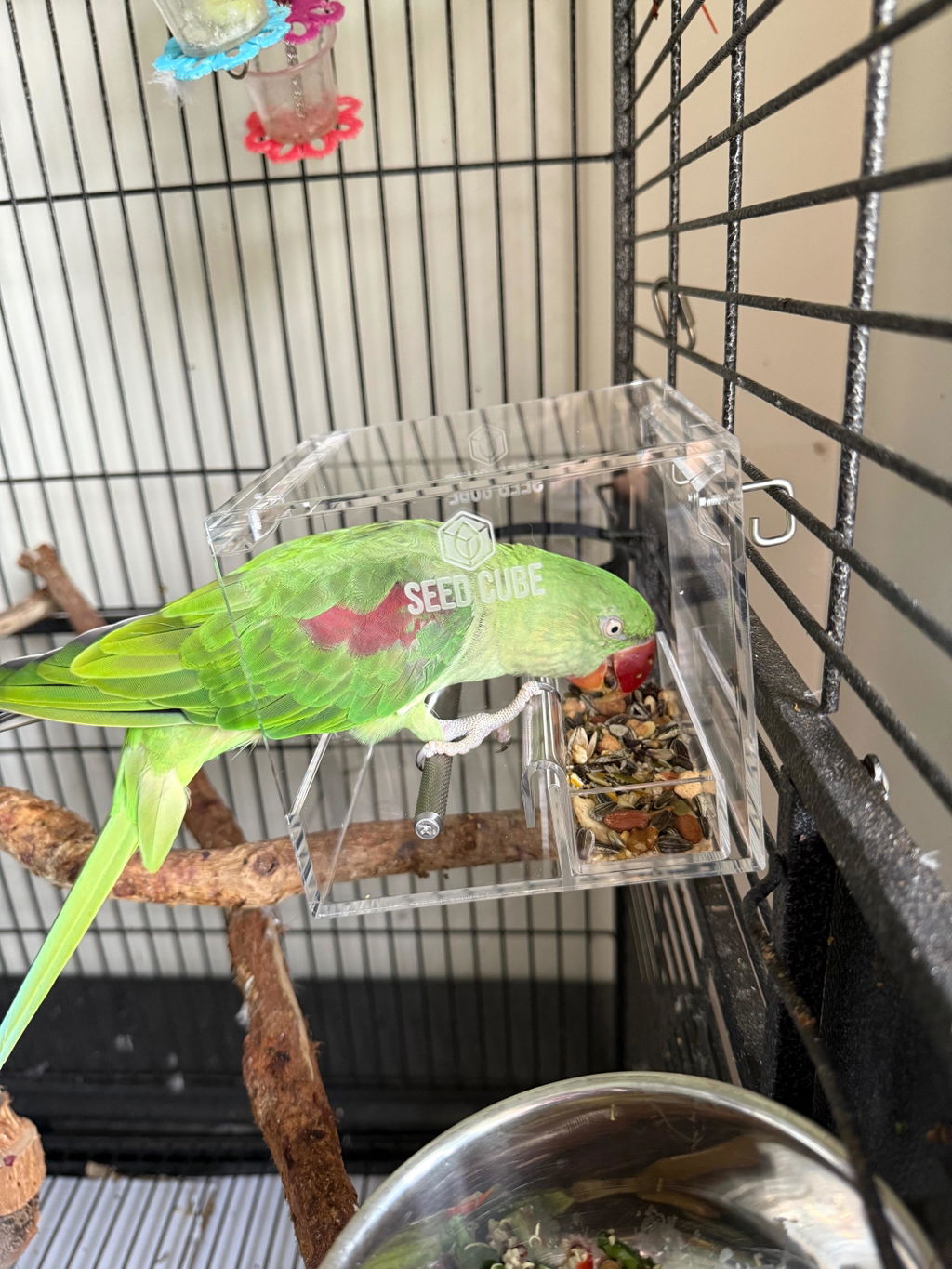
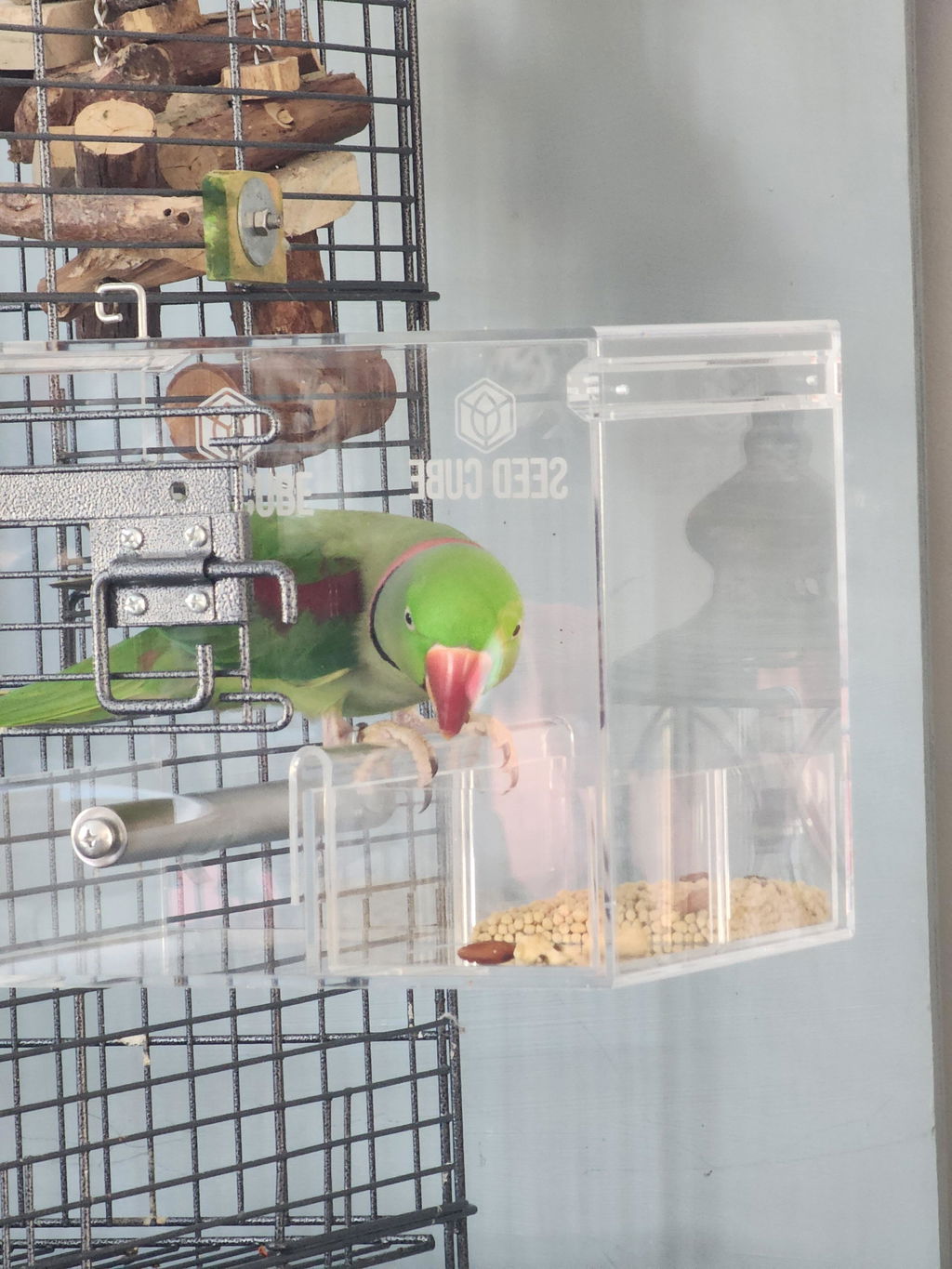
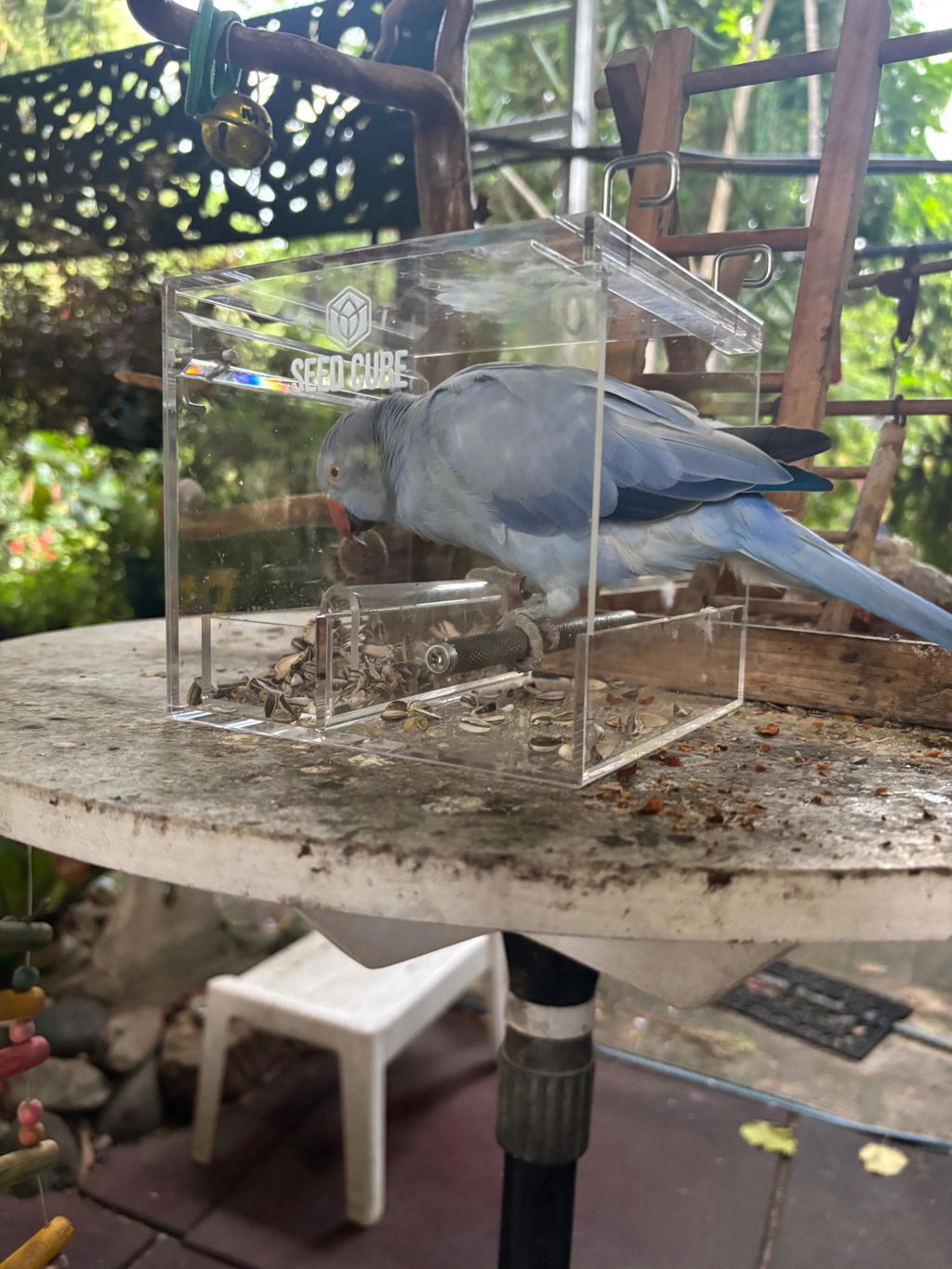
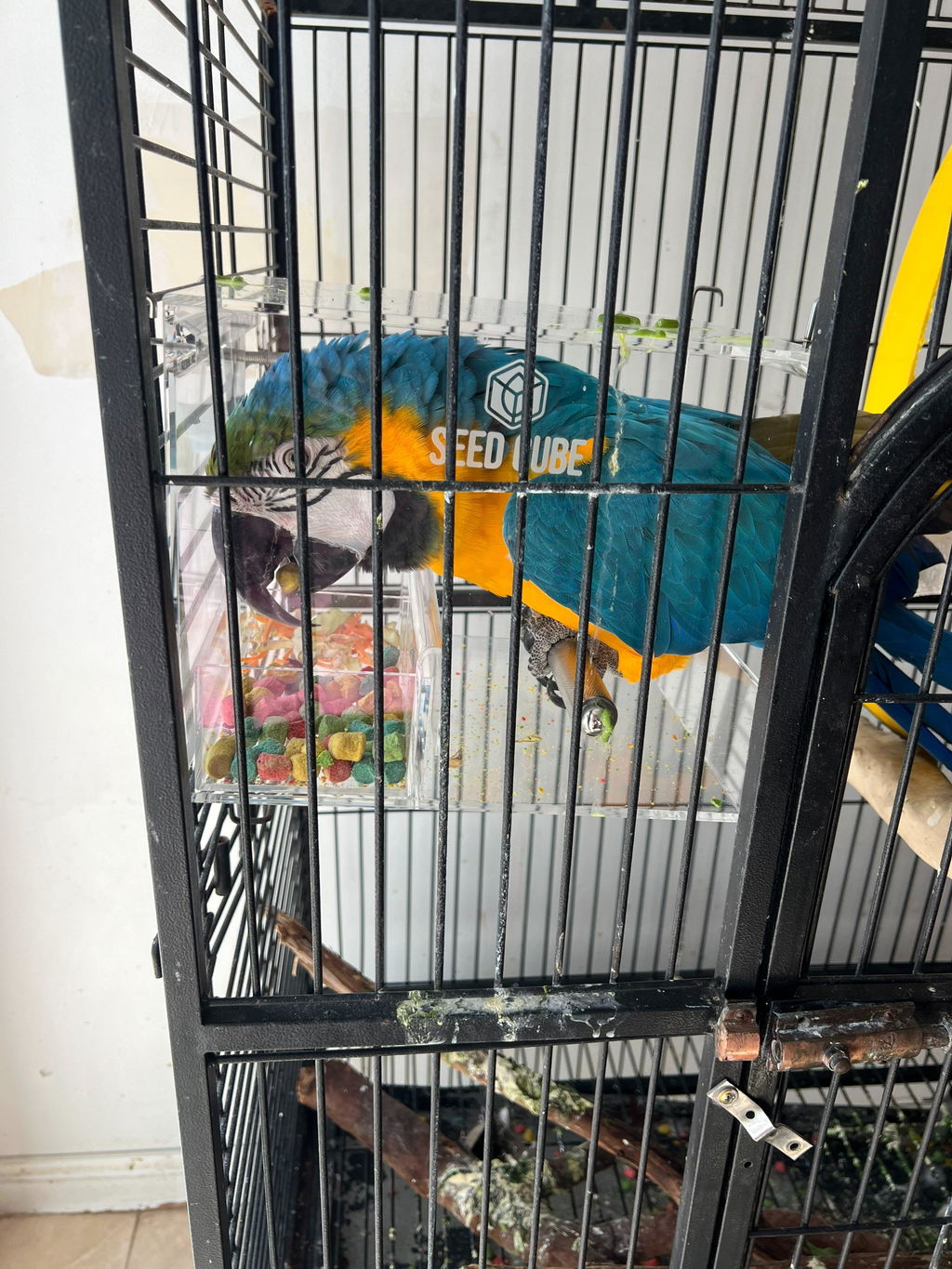
Keeps seed, husks and crumbs inside the feeder, not across your floor.
Icon
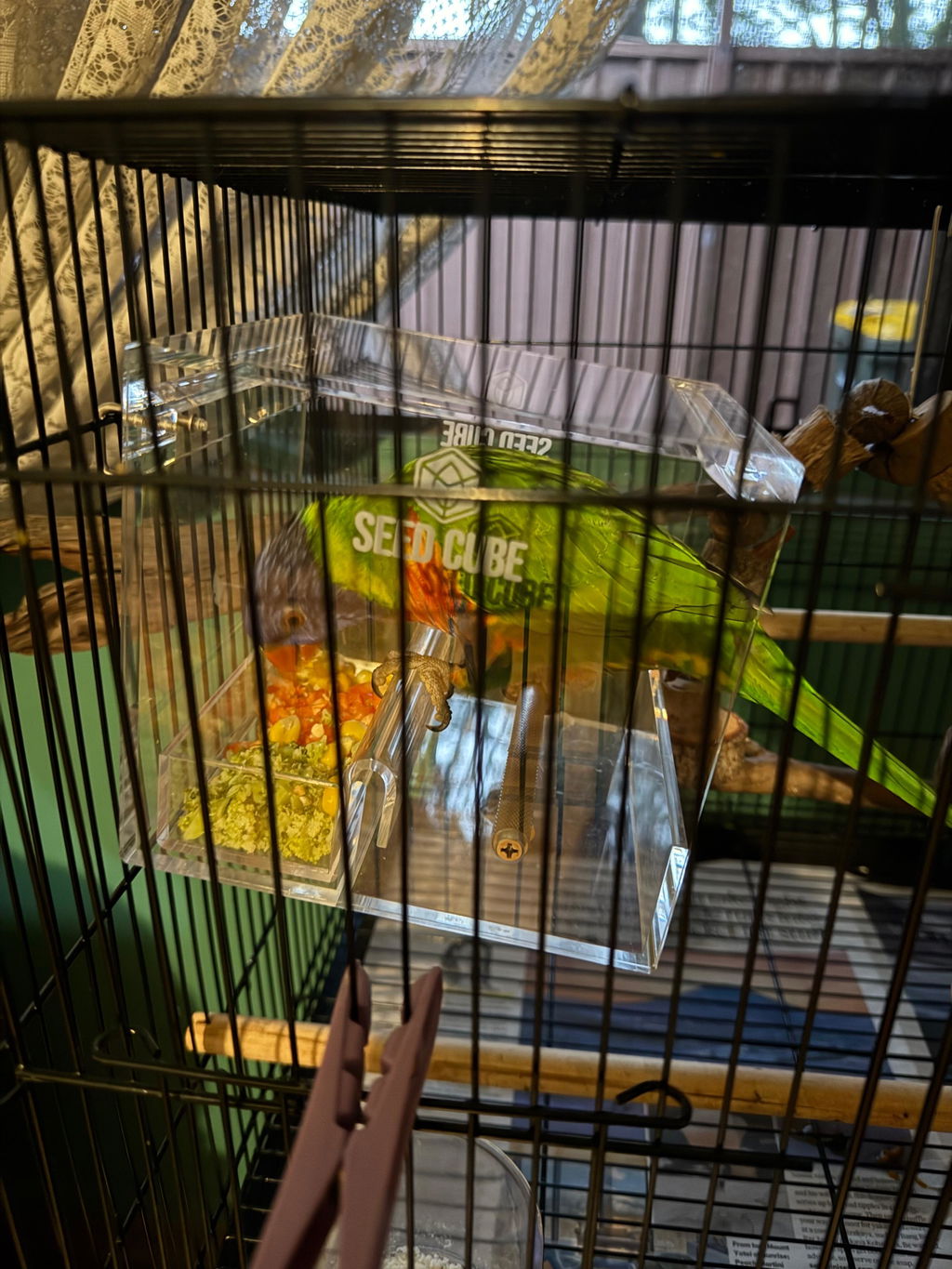
Lets you feed real mixes and fresh foods without the big clean up.
Icon
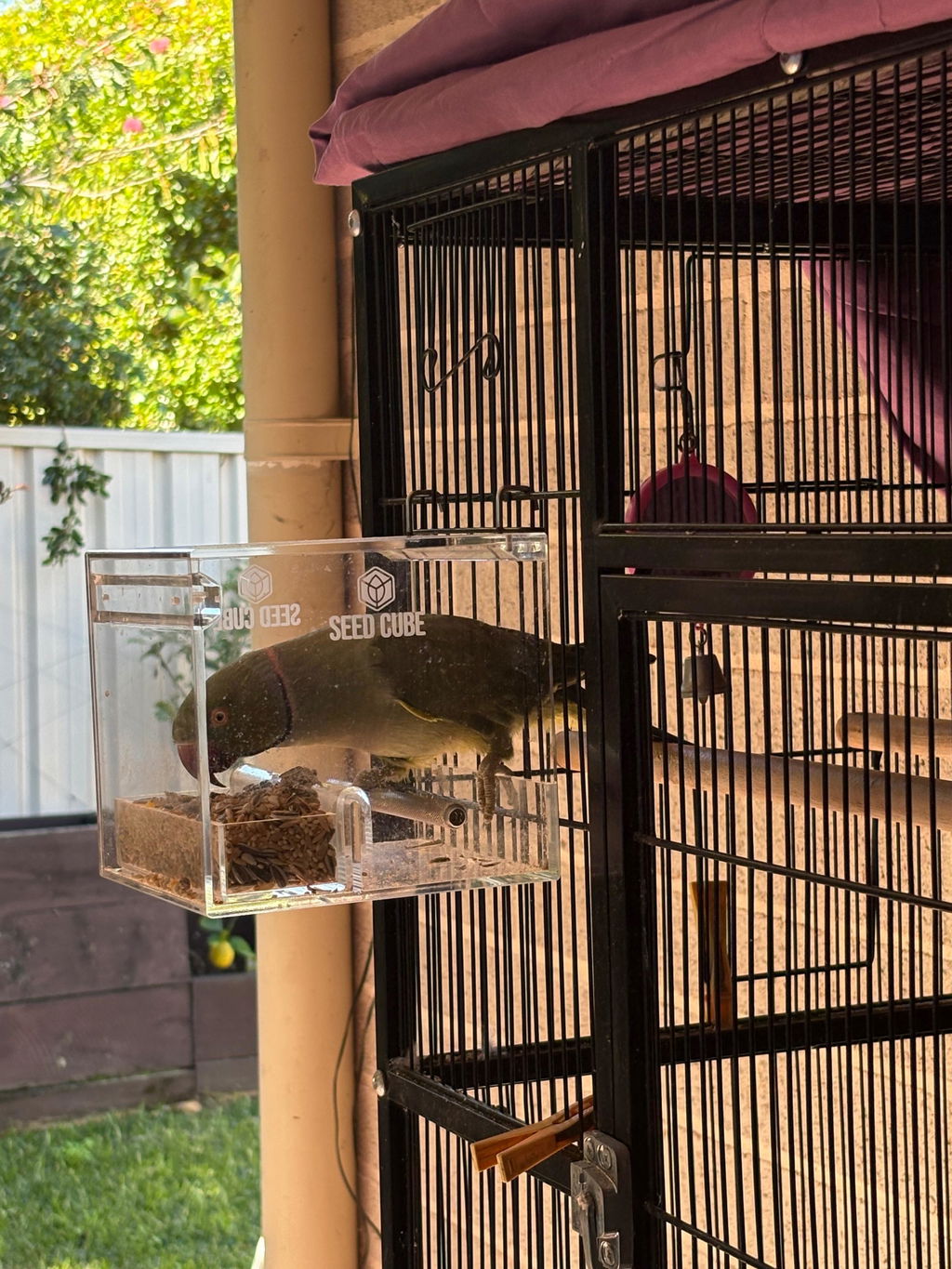
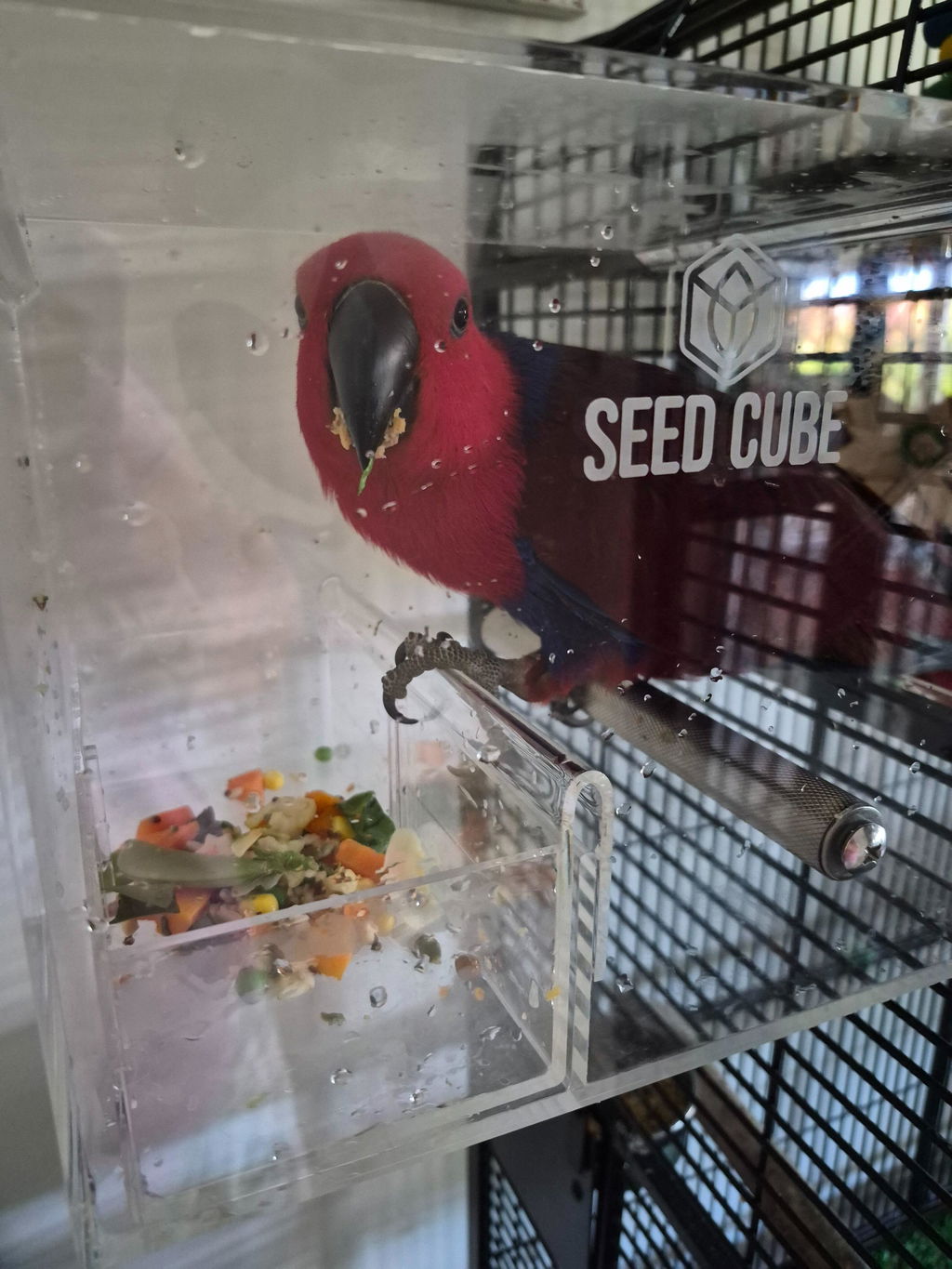
Helps your bird eat in a calm, stable position on the knurled stainless perch.
Icon
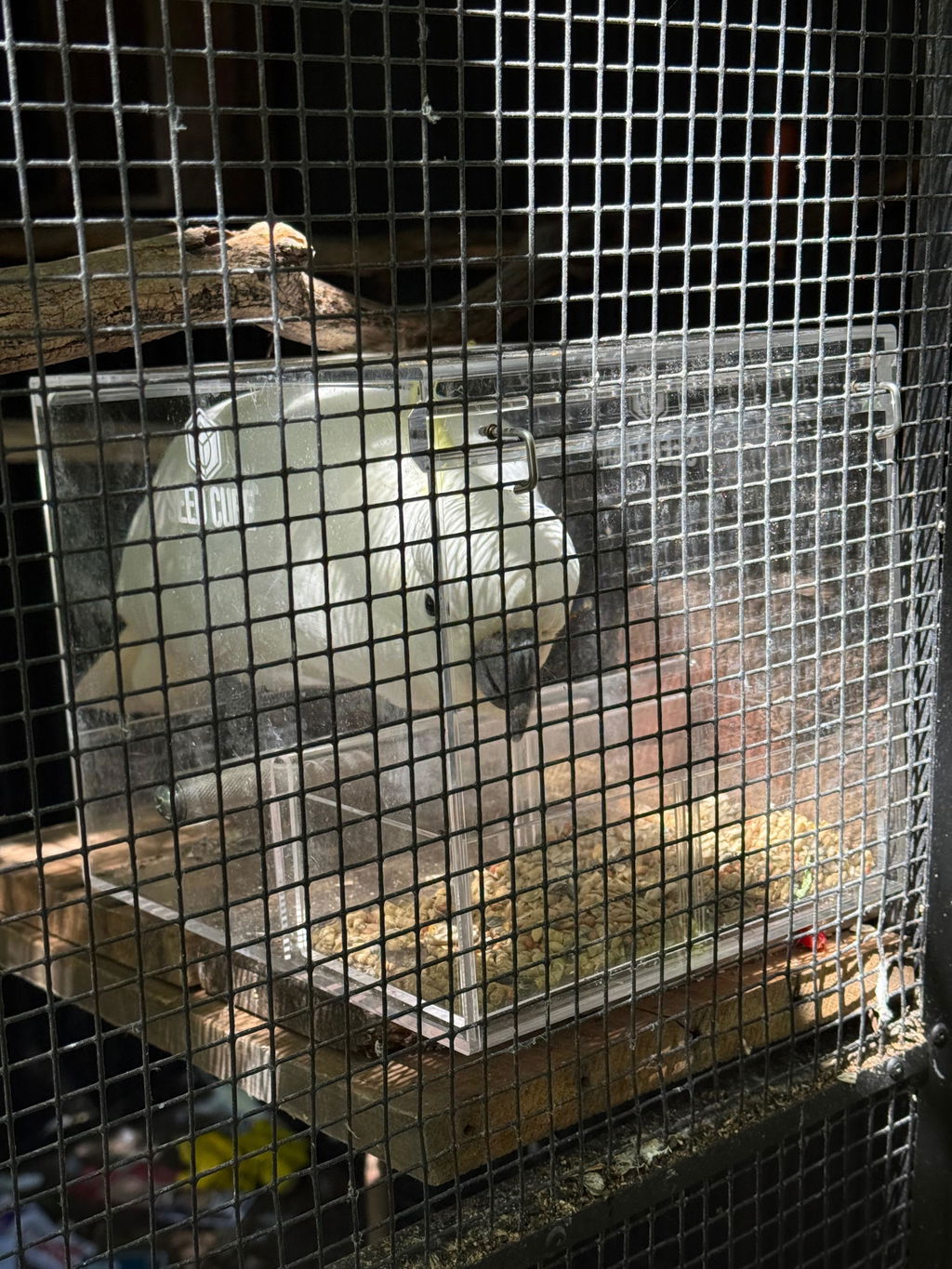
Thick clear acrylic and stainless hardware handle strong beaks.
Icon
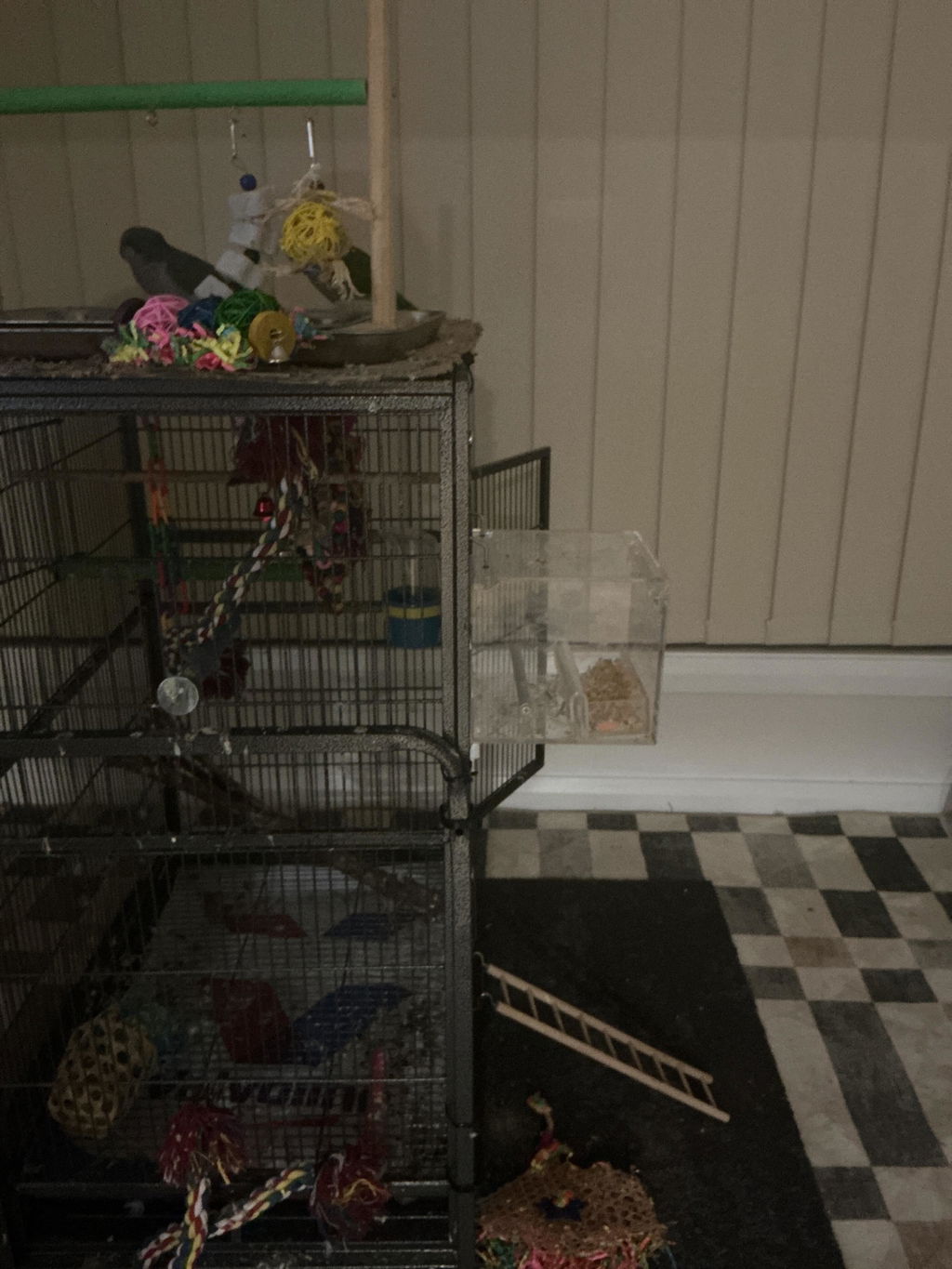
Easy to unhook, tip out and rinse so daily care stays quick.
Seed Cube feeding problem visual

PLACEMENT AND SAFETY

Where to Place a Bird Feeder Safely

Correct placement affects bird safety, cleanliness, and how often birds return. Feeders should be elevated, positioned away from predators, and placed where birds have clear visibility.

Icon
Elevated and visible placement
Icon
Suitable for balconies and gardens
Icon
Space between feeders reduces crowding
Icon
Too close to walls or railings
Icon
Feeding near predators
Seed Cube feeding problem visual

HYGIENE AND RESPONSIBLE FEEDING

Cleaning, Hygiene, and Responsible Feeding

Responsible feeding involves moderation, hygiene, and observation. Feeders should be cleaned regularly, food replaced often, and feeding paused if birds appear unwell. Feeding should supplement natural food sources, not replace them.

Icon
Clean feeders regularly
Icon
Replace nectar frequently in warm weather
Icon
Stop feeding if birds appear sick
Icon
Letting food spoil
Icon
Feeding continuously without breaks

Choosing the Right Feeder Size

Bird feeders vary in size and strength. Larger feeders suit heavier birds and higher traffic, while smaller feeders are better for lighter species and limited spaces.

Trusted by Wildlife Experts

We are proud to be supported by people who work with birds every day.

Ben Dessen

Ben Dessen

TV Personality, CEO & Director - Hills Wildlife Sanctuary

“We are so grateful to the team at Seed Cube for their generous ongoing sponsorship and support of our wildlife rescue and rehabilitation work. Not only does Seed Cube provide a monthly monetary donation, but they also donated some of their amazing and innovative products! We have been using the Seed Cubes with a number of our native animals and they make such a massive difference reducing food waste and mess. They are really durable and great quality, and our animals and volunteers love using them on a daily basis.”

Wild Bird Feeding FAQs

Learn more about how we can help you.

A wild bird feeder is designed for feeding free-living birds outdoors, rather than birds kept in cages or aviaries. Wild bird feeders are used in gardens, balconies, and outdoor spaces and should be placed and maintained responsibly.

The best bird feeder depends on the birds you want to attract and your space. Hanging bird feeders suit many outdoor setups because they are easy to place and keep food off the ground. Nectar feeders suit nectar-eating birds, seed feeders suit seed-eaters.

They can if food spills or accumulates. Clean placement, spill control, and regular clean-up reduces the chance of attracting rodents. Avoid overfilling and remove spoiled food.

Avoid foods that spoil quickly, encourage mess, or are not appropriate for the birds you are feeding. Use suitable nectar mixes for nectar-eating birds and appropriate seed mixes for seed-eaters. Keep feeding supplementary and moderate.

Some native birds will use feeders depending on food type, location, and natural food availability. Nectar feeders may attract nectar-eating birds such as lorikeets, while seed feeders suit seed-eating species. Not all birds will use feeders

Bird feeders can be suitable for Australian backyards when they are placed safely, cleaned regularly, and used as a supplement to natural food sources rather than a replacement.

Yes. Nectar feeders are designed for nectar-eating birds such as lorikeets. Appropriate nectar should be used and feeders cleaned regularly to reduce the risk of spoilage or contamination.

Only suitable nectar mixes should be used for nectar-eating birds. Nectar spoils quickly, especially in warm weather, so it should be replaced frequently and feeders cleaned often.

They can, especially if nectar spills or sits too long. Keeping the feeder clean, replacing nectar frequently, and avoiding sticky residue helps reduce insect interest.

Use a suitable lorikeet nectar mix and follow the preparation instructions. Replace nectar frequently, especially in warm weather, and clean the feeder regularly to reduce hygiene risks.

Some honeyeaters may use nectar feeders depending on the setup and location. Placement, cleanliness, and local bird behaviour all affect whether they visit.

In warm conditions, nectar may need to be replaced daily. In cooler weather it may last longer, but feeders should still be checked and cleaned regularly.

Bird feeders should be placed in a quiet outdoor area, elevated off the ground, and positioned where birds have clear visibility and safe access. Placement should minimise risks from predators and human disturbance.

Yes. Balcony bird feeders can work well when placed securely, away from walls or railings, and where birds have a clear approach path. Extra care is needed in small or shared spaces.

Place the feeder high enough to reduce access by pets and ground predators, while still allowing birds to approach safely. A clear flight path and good visibility matters more than an exact height.

Partial shade is usually better, especially for nectar feeders. Heat can cause nectar to spoil faster. Choose a spot that is sheltered from harsh weather but still visible for birds.

Yes. Hanging from a stable branch can work well. Ensure it is secure, positioned away from easy predator access, and placed where birds can approach and leave safely.

Hanging bird feeders are often preferred because they keep food off the ground, reduce mess, and allow more flexible placement in gardens and balconies.

Bird feeders should be cleaned regularly. In warm weather or when using nectar, cleaning may be required daily or every few days to reduce hygiene risks.

Poorly maintained feeders can contribute to the spread of disease. Regular cleaning, replacing spoiled food, and avoiding overcrowding helps reduce this risk.

Feeding should stop if birds appear sick, food spoils quickly, aggressive behaviour increases, or feeding is attracting pests. Feeding should always be moderate and supplementary.

Wash with hot water and scrub all surfaces that contact food. Rinse thoroughly and allow it to dry before refilling. Clean more often during warm weather or high use.

Check seed regularly and remove any wet, mouldy, or old seed. In wet weather, replace more often. Stale seed and damp conditions increase hygiene risk.

Daily feeding is not necessary. Feeding should be occasional and supplementary. If you feed regularly, keep it consistent, keep portions modest, and prioritise hygiene and clean placement.

What backyard bird feeding looks like, when you do it properly

Good feeders help people feed cleaner. Cleaner feeding lowers risk. That matters if you want to attract nectar feeders and seed eaters without creating a hygiene problem.

~0%

of Australian households feed backyard wild birds

~0%

of Australian households regularly feed birds at home

~0%

of Australian households buy food specifically for wild birds

~0%

of Australian households actively take part in garden bird feeding

Seed Cube feeding problem visual

Giving Back

SUPPORT NATIVE WILDLIFE WITH EVERY PURCHASE

Every Seed Cube order helps fund the work of Hills Wildlife Sanctuary in Sydney’s northwest. A portion of each sale goes toward caring for injured and orphaned native animals.

Hills Wildlife Sanctuary has been rescuing and rehabilitating Australian wildlife since 1977. Set on 35 acres of bushland beside Berowra Valley National Park, their team of vets, zoo keepers, carers and volunteers provides treatment, long term care for animals that cannot be released, and training for wildlife carers across NSW.

When you choose Seed Cube, you help support real hands on work that protects Australia’s native birds and other wildlife.

Seed Cube feeding problem visual

Meet the founders

An Aussie family brand, built for cleaner bird feeding.

Hi, we are Russell and Peita.

Seed Cube started at home with one very determined Alexandrine. After years of cracked plastic, slipped mounts, and constant clean ups, we realised most feeders were not built to handle real birds or daily use.

We set out to build something we would actually trust. That same focus on strength, stability, and cleaner feeding now guides how we approach feeding birds outdoors.

There are now over 10,000 Seed Cubes in use worldwide. We do not build feeders to be cheap. We build them so feeding feels easier and spaces feel calmer.

Icon
Aussie owned Sydney based family business.
Icon
Real bird owners Built from living with birds, not from a desk.
Icon
10,000+ Cubes Proven in real cages and homes.

BUILT FOR OUTDOOR USE

Wild bird feeders need to handle weather and regular use. We focus on strength, stability, and materials chosen for long-term outdoor feeding.

Seed Cube feeding problem visual

In development

Coming soon

Something new is in development.

Our work around wild bird feeding continues behind the scenes. We are taking what we have learned about durability, placement, and cleaner feeding, and applying it to outdoor environments where conditions are less forgiving.

Feeding wild birds comes with extra responsibility. Weather, hygiene, and repeated use all matter more outdoors. Any new design needs to support safer feeding practices without creating more mess, maintenance, or unintended impact.

Sustainability and longevity remain central to how we think. Fewer replacements, cleaner feeding zones, and materials chosen to hold up over time all play a role in doing this properly.

We will share more when it is ready. For now, the focus remains the same, thoughtful design, cleaner feeding, and doing it right rather than doing it fast.