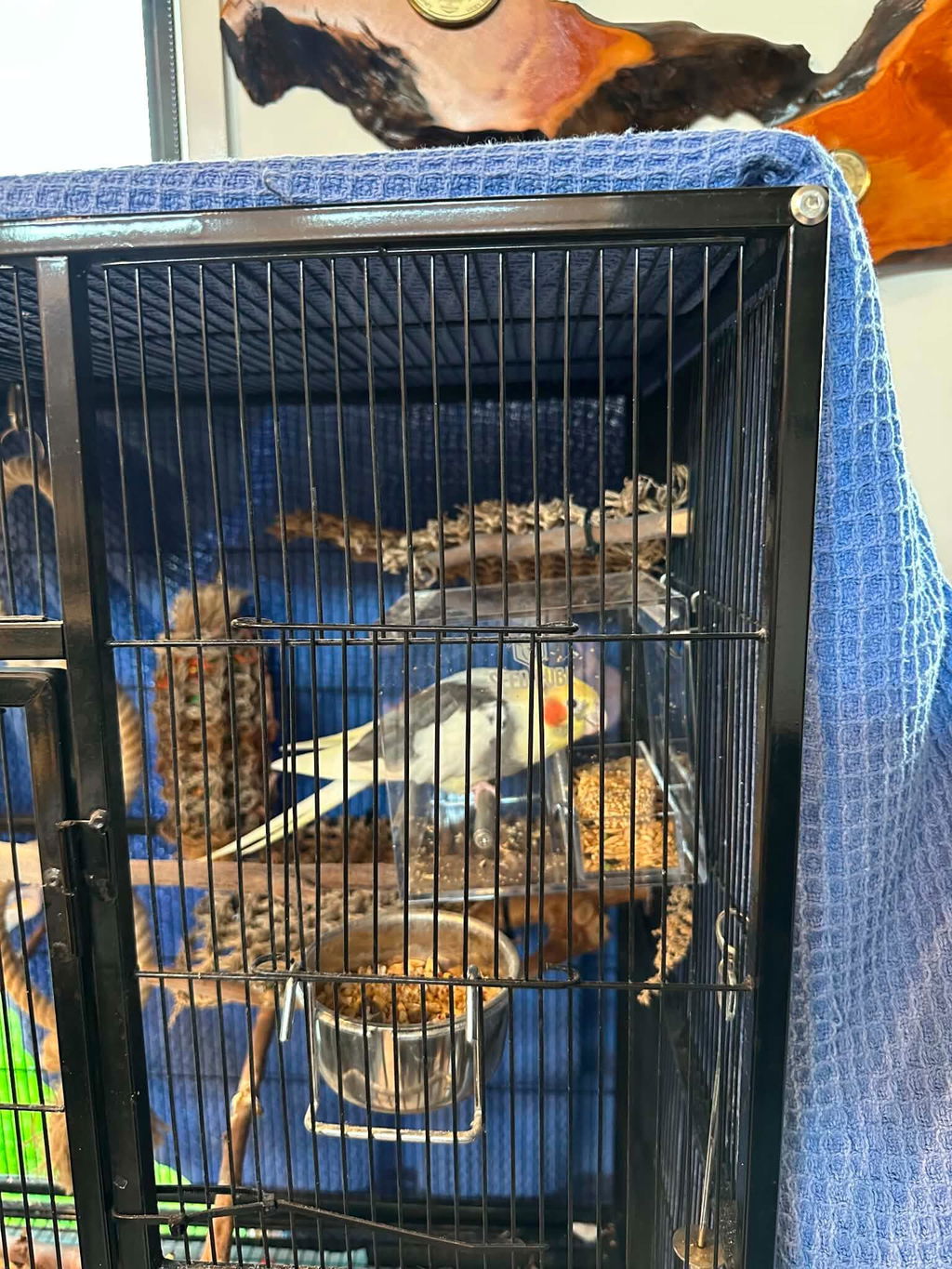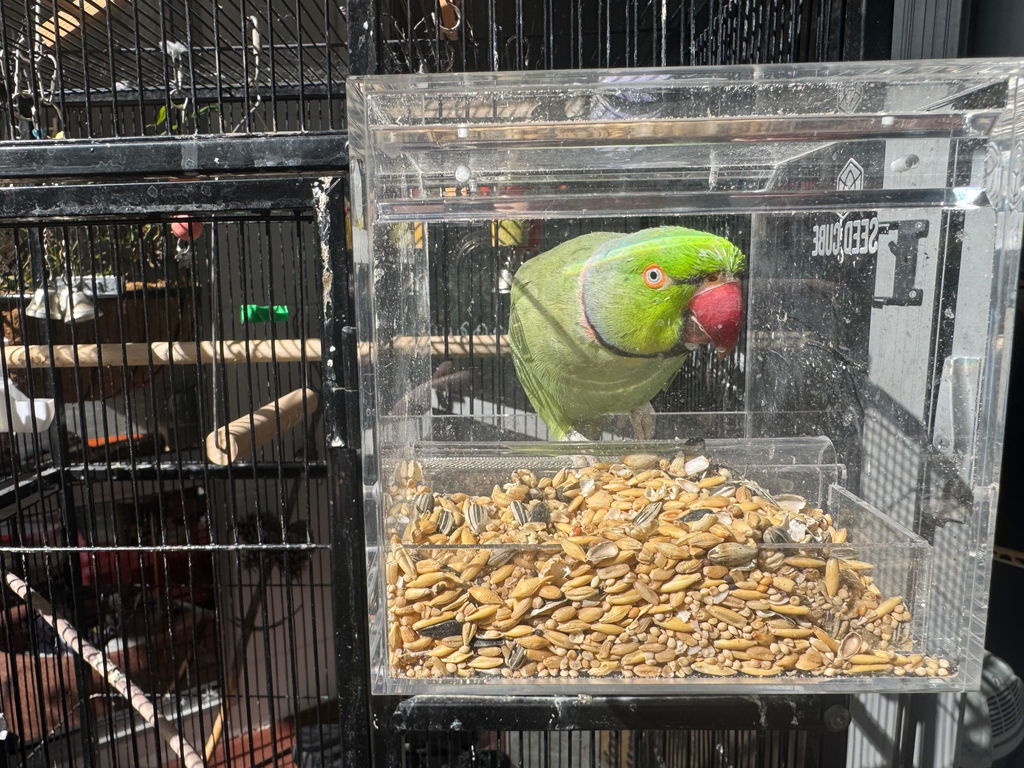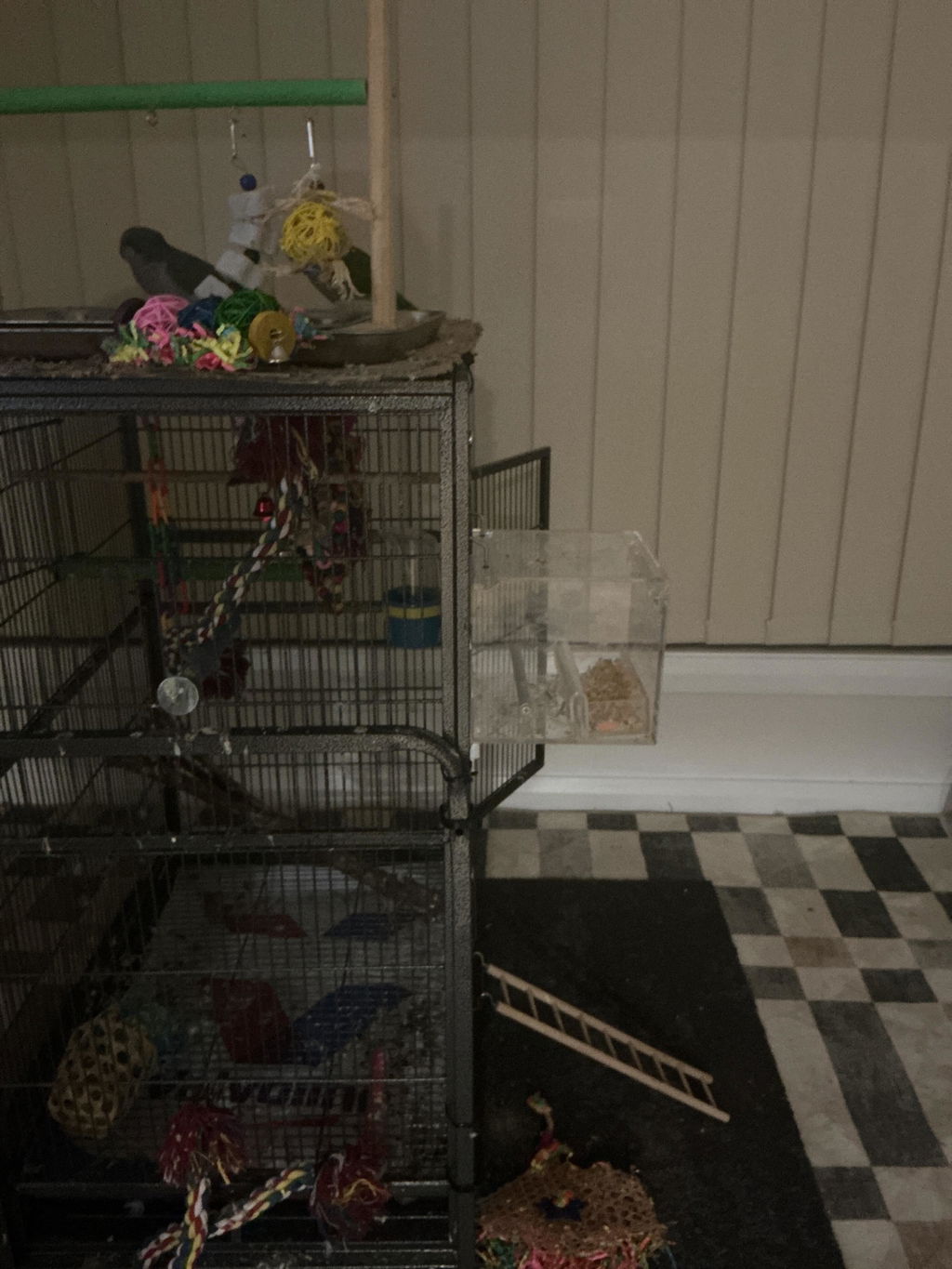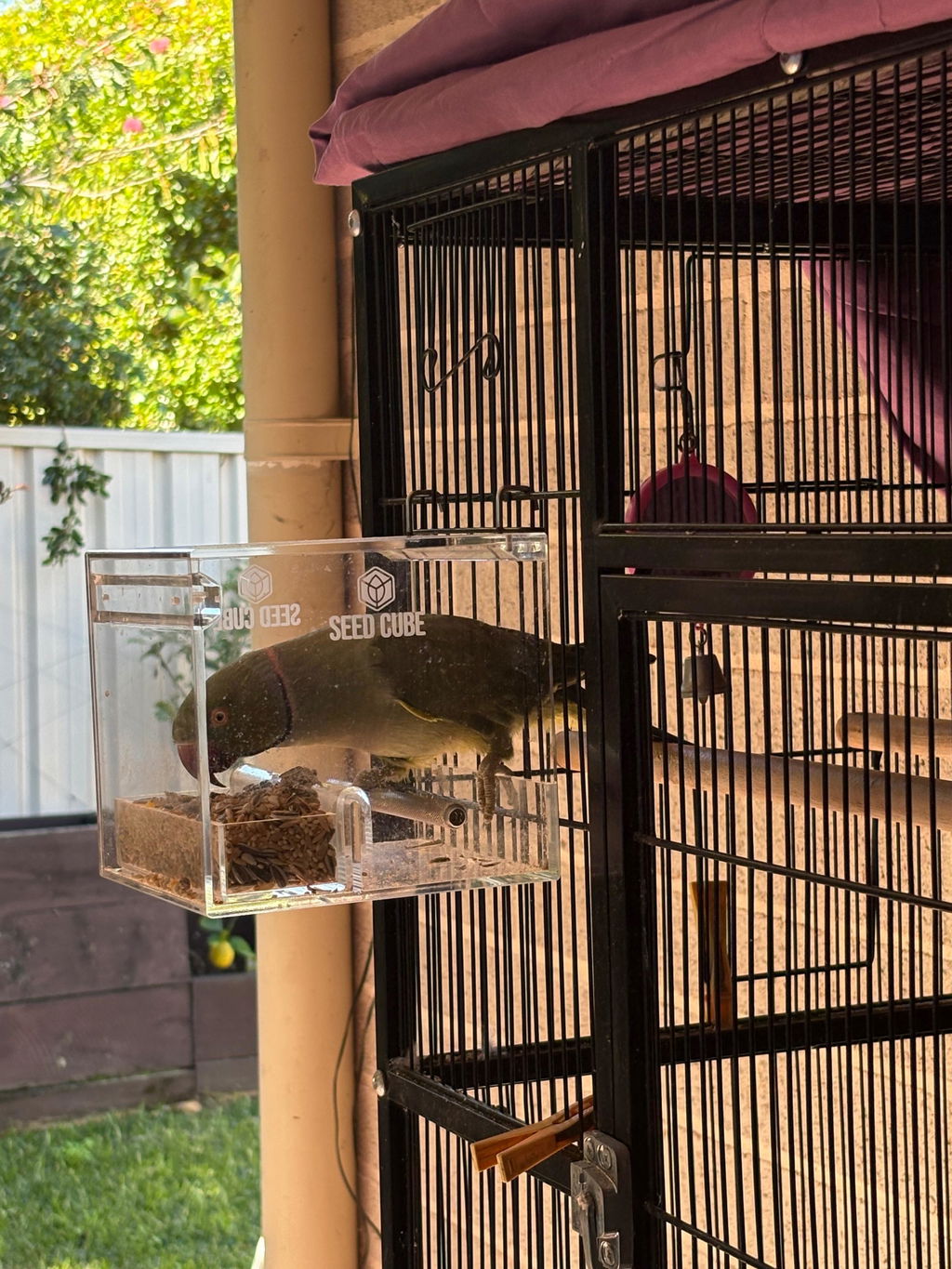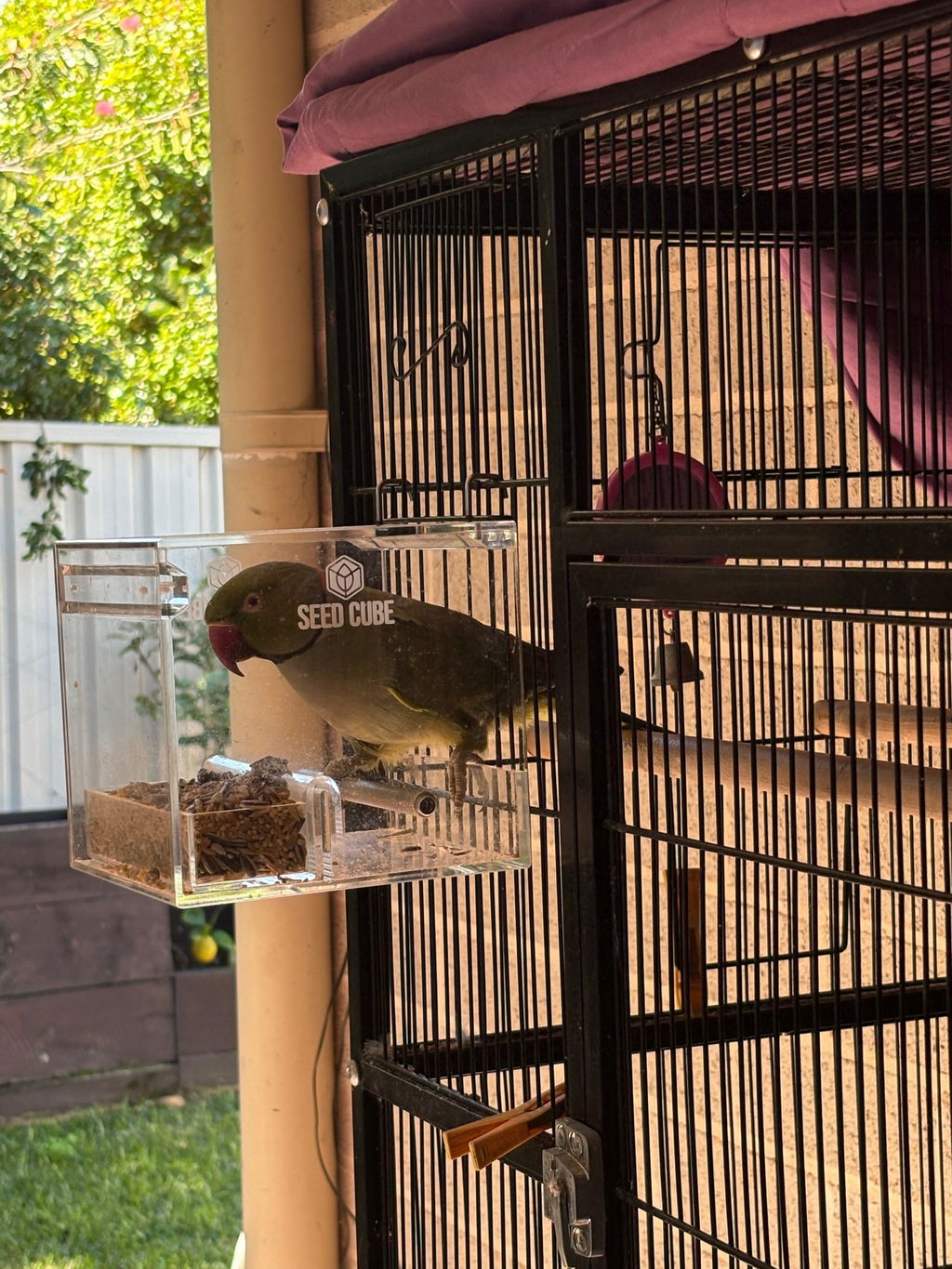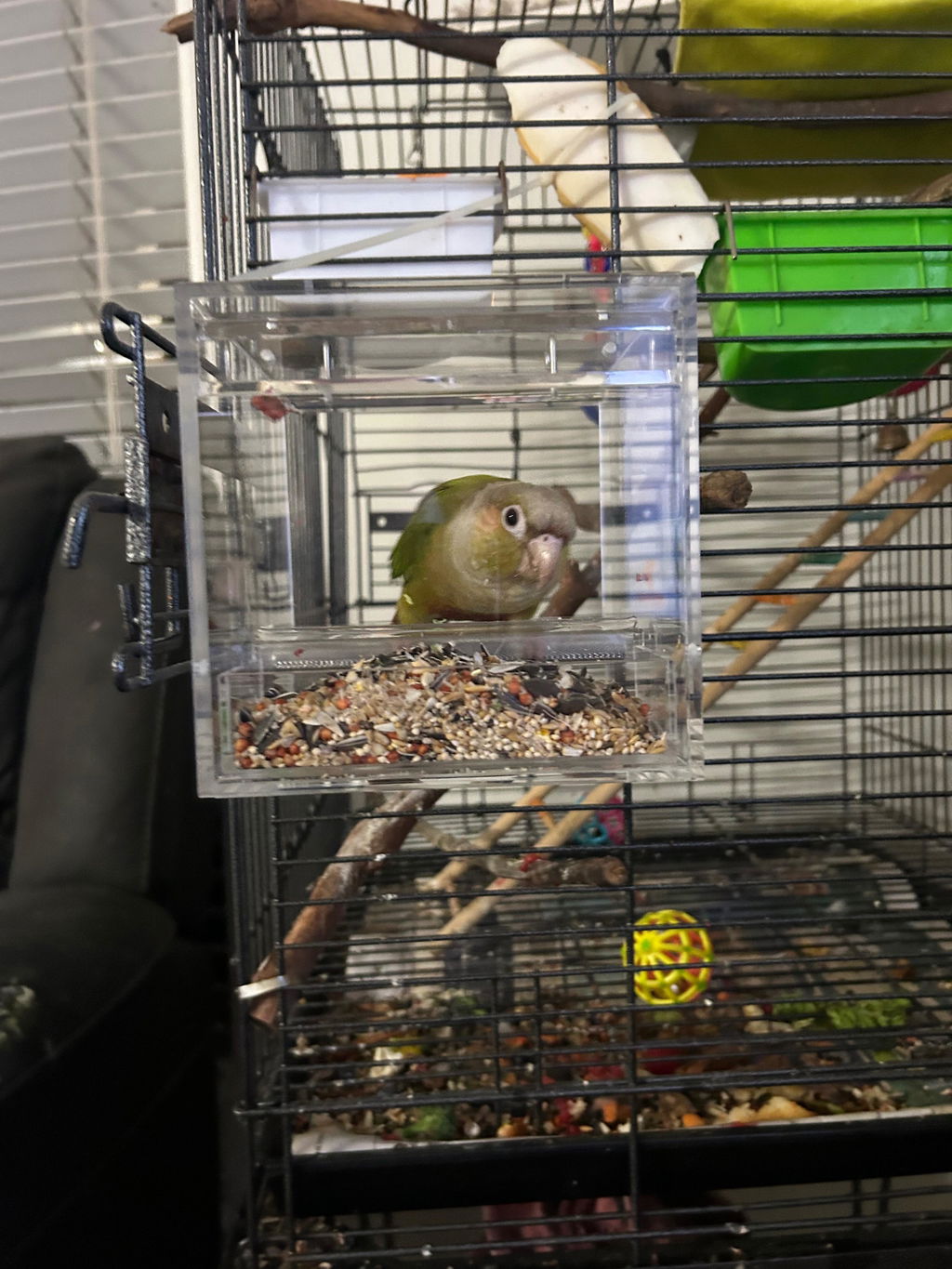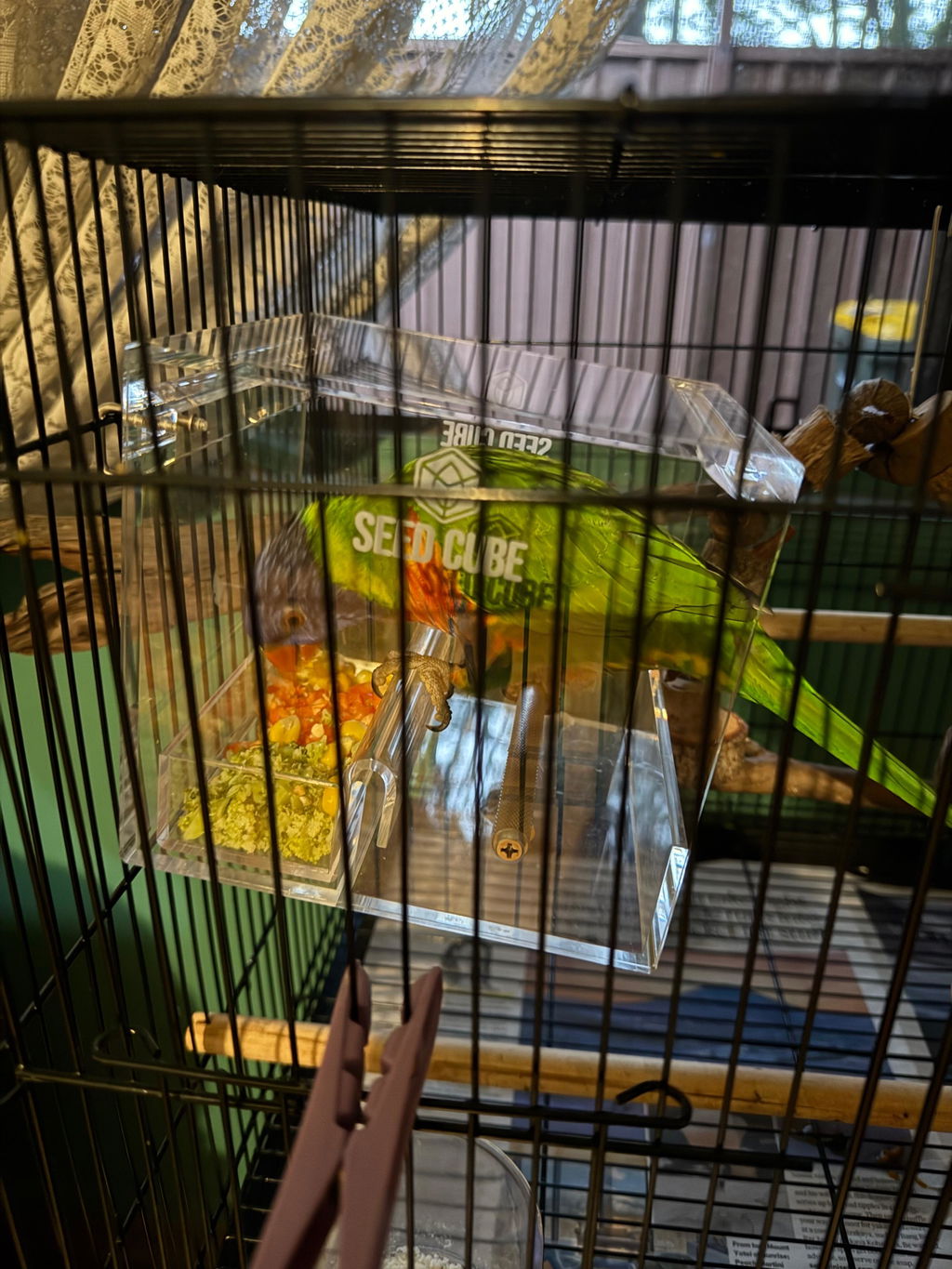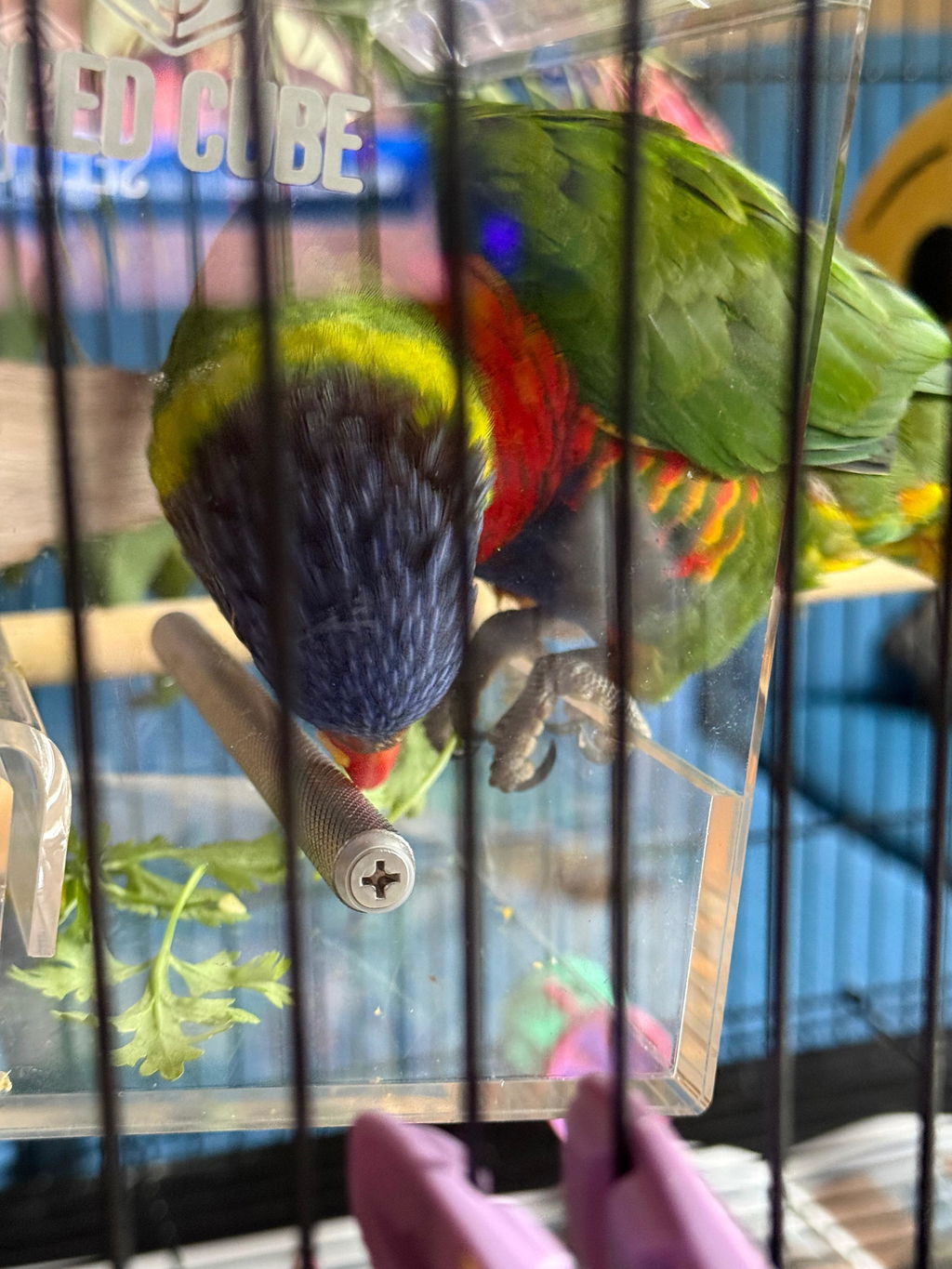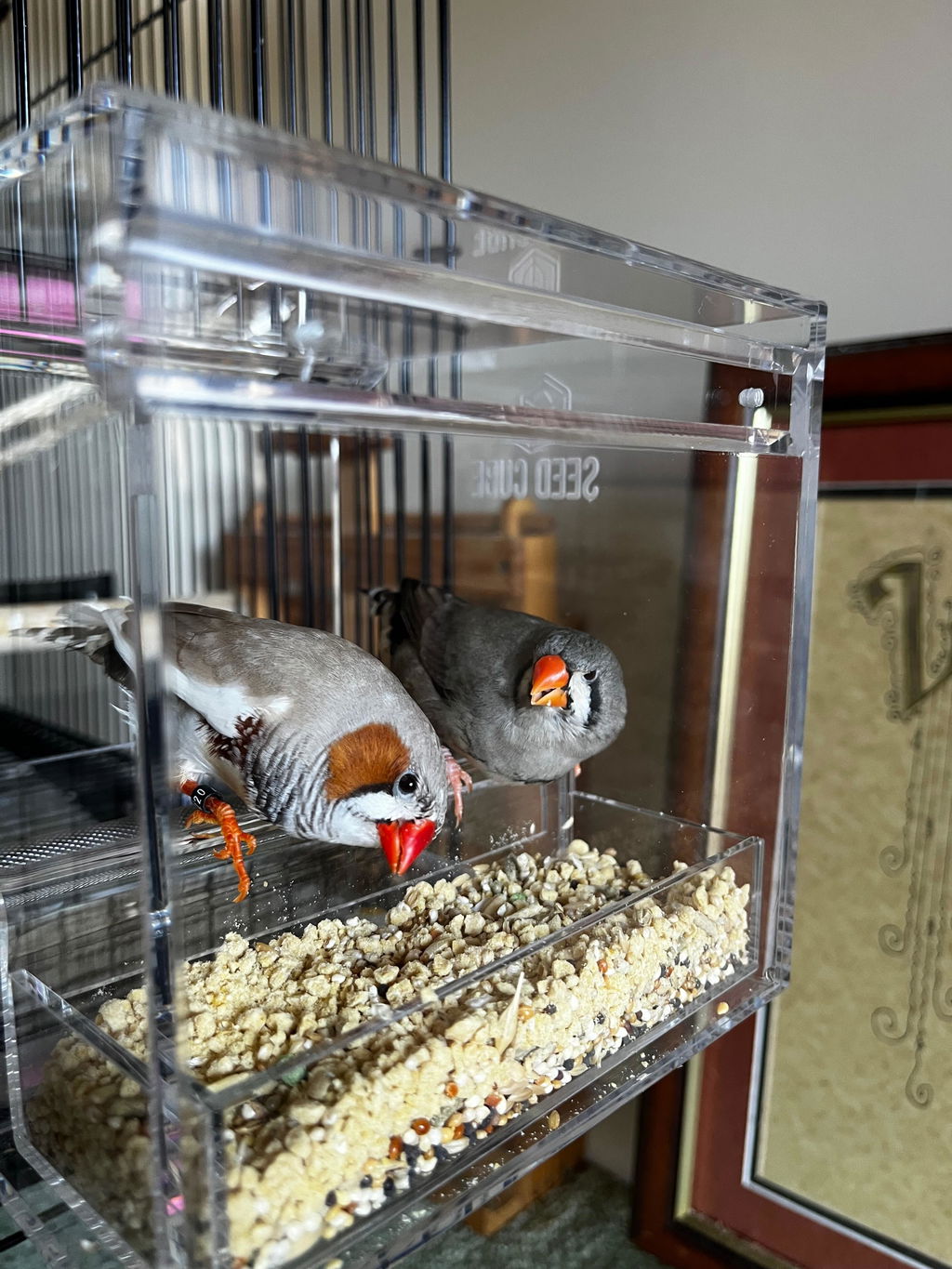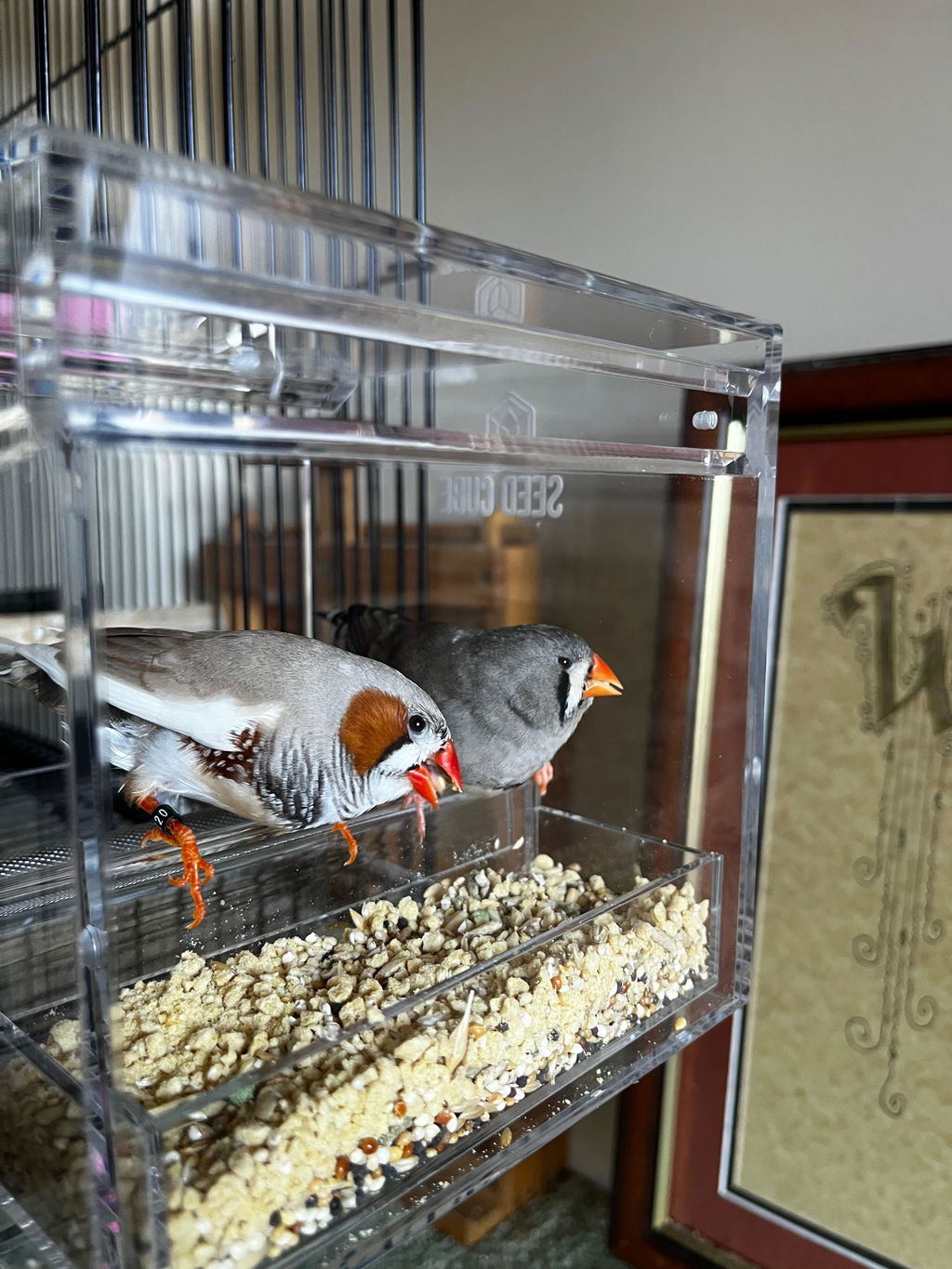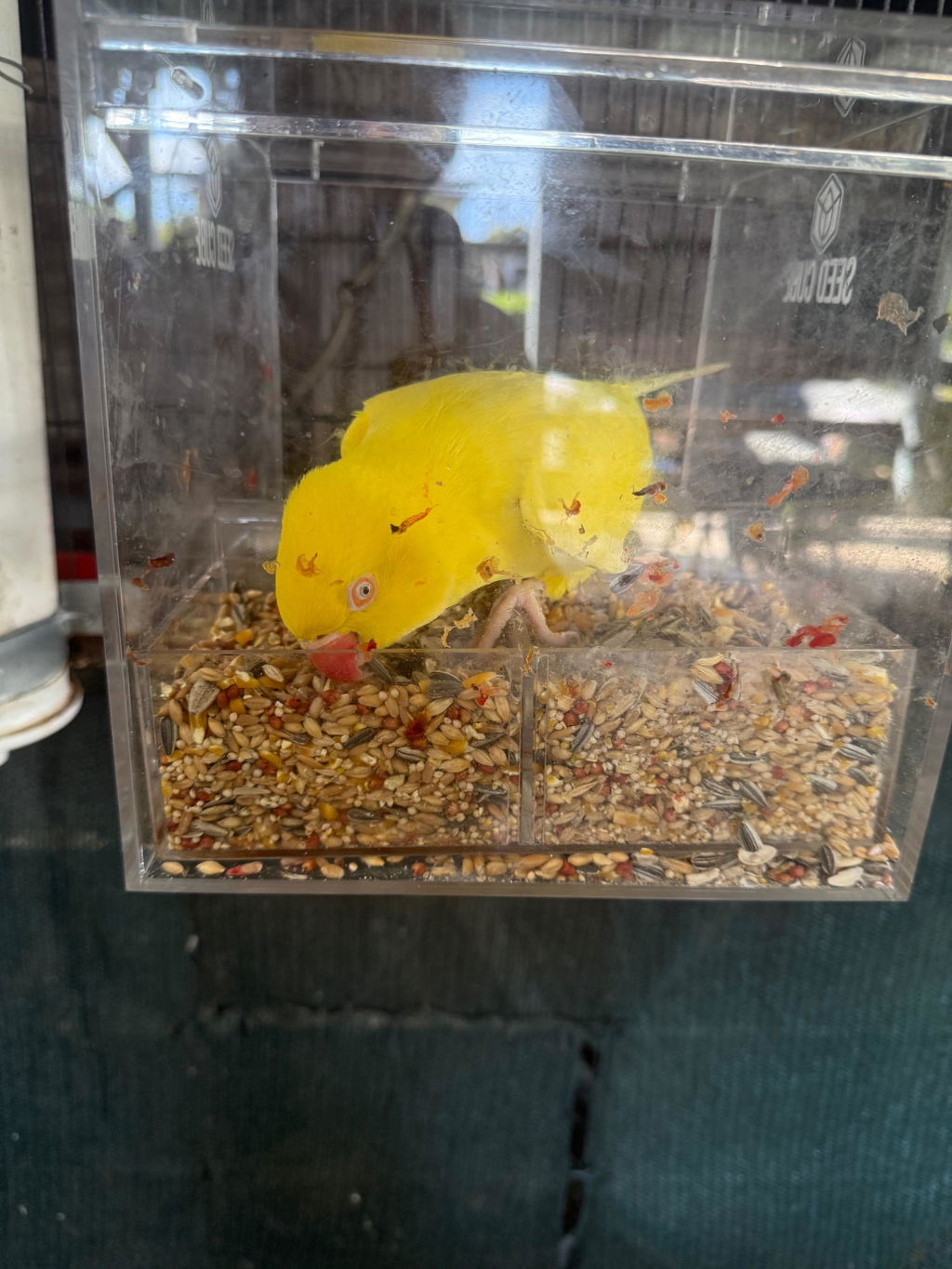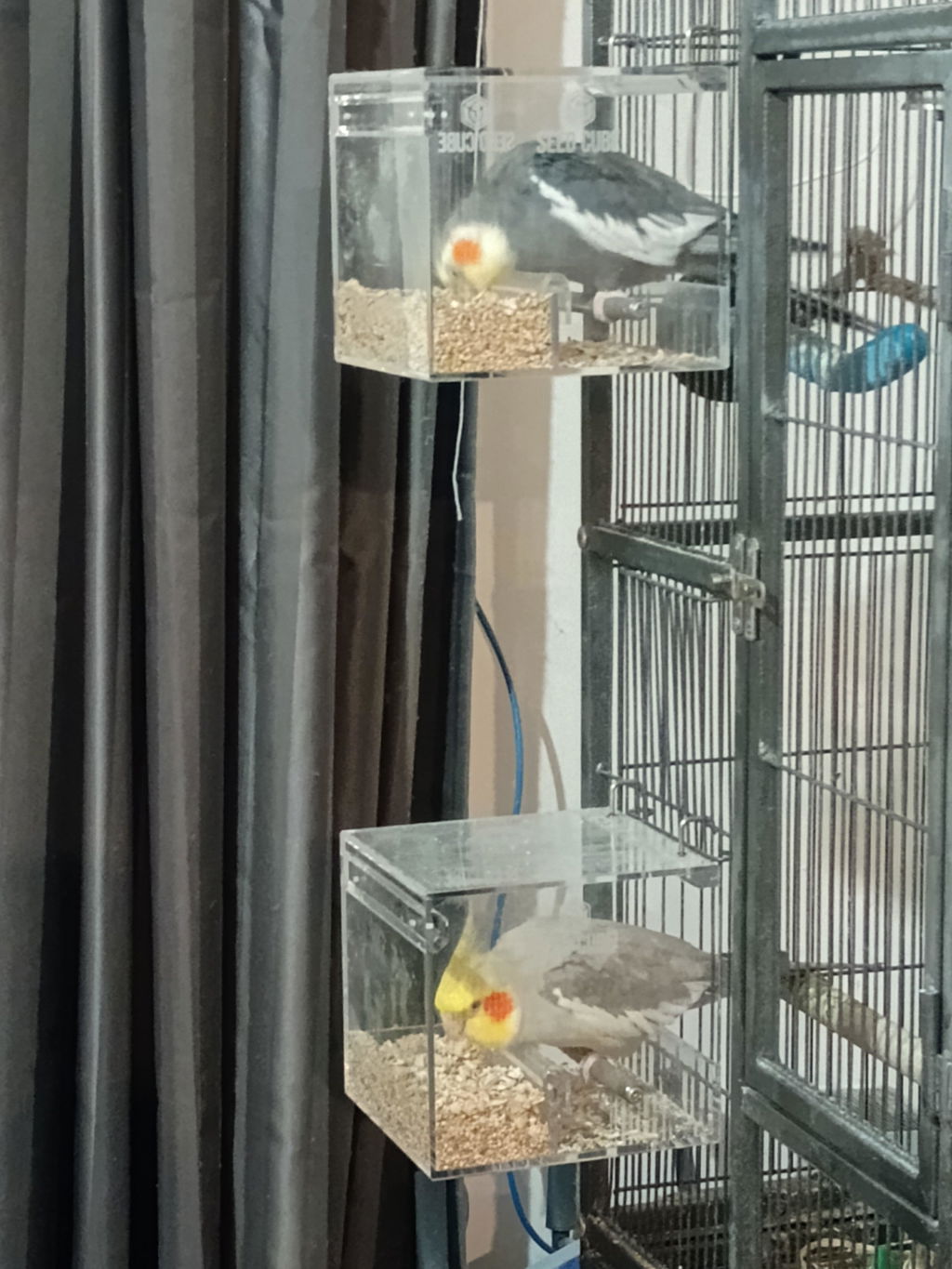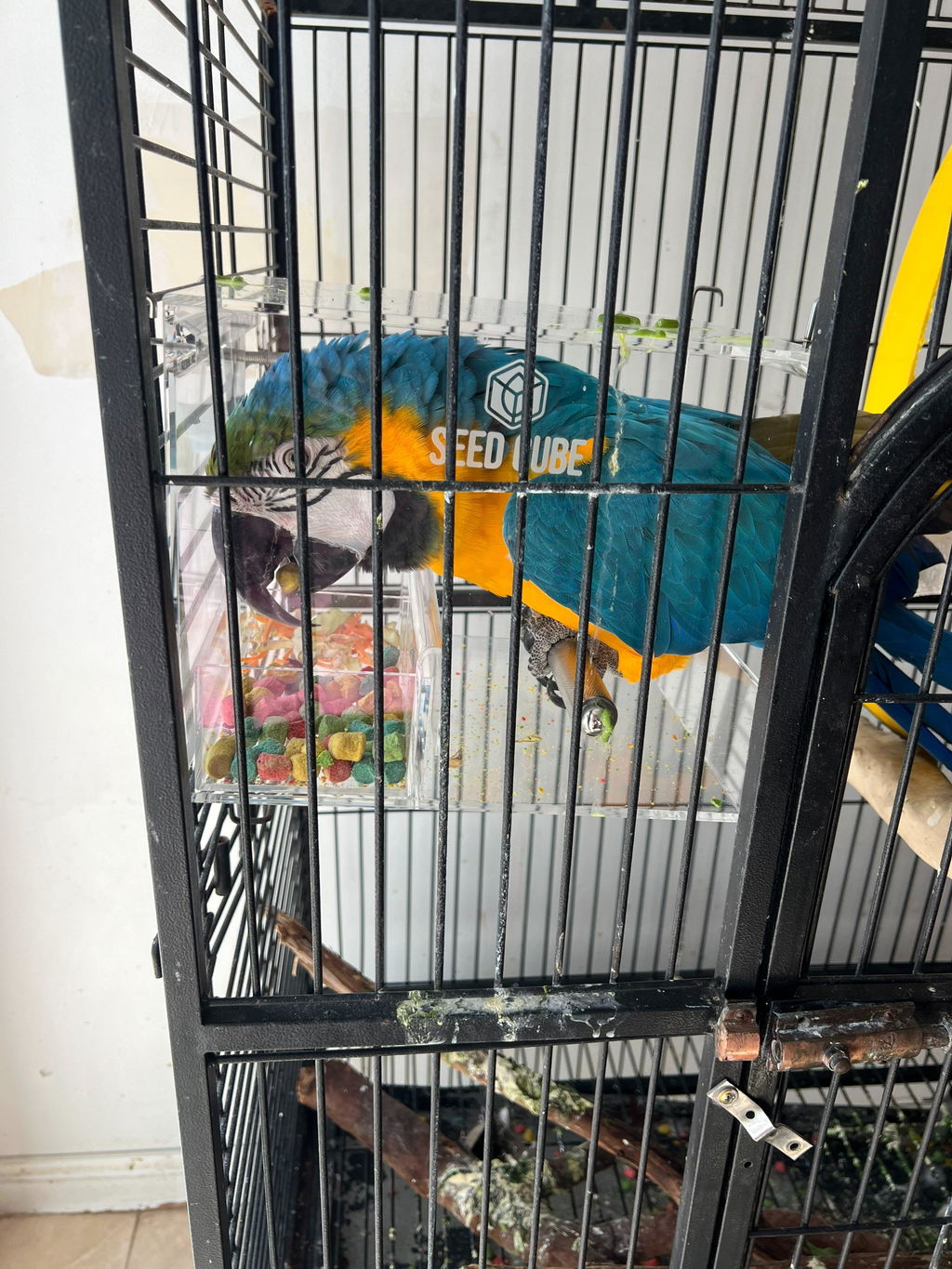
THE BEST NO MESS FEEDER FOR PRINCESS PARROTS

Less husk on the aviary floor, less spilled seed in the dirt, less daily cleanup. Built for princess parrot cages and flight aviaries.

Species hero image
Polytelis alexandrae

Princess Parrot

Australia's most desert-adapted aviary parrot, built for small hard grass seed

Behavioral Profile

Mess Potential Moderate to high
Low High
Vocalization Level Low
Quiet Loud

Species Specifications

Size

About 45 cm long, most of it tail

Weight

Around 113 g on average, roughly 90 to 120 g

Feather Type

Soft, sleek contour feathers with very little powder down, so far less feather dust than a cockatoo or a cockatiel

Lifespan

Commonly around 20 years in captivity, with reports of up to 30 years

Temperament

Gentle, quiet and unusually placid for a parrot, but flighty and easily startled

Origins

Native to the arid interior of Australia, across inland Western Australia, the Northern Territory and northern South Australia, in spinifex grassland and desert woodland of marble gum, desert oak and acacia

Suitable Foods

Formulated pellets as the base, fresh vegetables and leafy greens daily, seeding native grasses and safe browse, a small measured serve of millet and small grass seed, and fruit only in modest amounts

Care Level

Beginner to intermediate

Care Notes

Common Feeding Mistakes
The common mistake is feeding a princess parrot from a generic parrot mix led by sunflower and safflower. This is the most desert-adapted parrot in Australian aviculture, and in the wild it eats spinifex, Danthonia and acacia seed, which are small, hard and high in fibre rather than fat. Australian avian vets are clear that no Australian parrot had access to sunflower before European settlement and that a high-fat diet low in vitamins and minerals is behind most physical health problems in pet birds. The second mistake is feeding on the aviary floor. Princess parrots feed on the ground, and a damp dirt-floored aviary is where ground-feeding parrots pick up intestinal worms.
Habitat Requirements
Give a princess parrot length rather than height. They are fast, straight fliers that cover distance in the wild rather than climbing about, so a long flight aviary suits them far better than a tall cage. Keep the floor dry and cleanable, because ground-feeding parrots in damp aviaries carry a much higher worm burden. Use natural perches of mixed thickness and safe native browse, provide shade from hot afternoon sun, and keep them dry in cold wet weather, which is the conditions their desert home never asked them to handle.
Handling & Socialisation
Princess parrots are among the calmest and quietest parrots kept in Australia, which makes them a good aviary bird for people who cannot live with noise. They are not natural cuddlers. Most stay gentle but reserved, and they startle easily, so build trust with slow movement, steady routine and food rewards rather than handling. They are far less destructive than cockatoos, so enrichment is better aimed at foraging than at chewing.

THE PRINCESS PARROTS MESS PROBLEM

Princess parrots husk small seed, and the shells and spill land wherever the dish is. In an aviary that usually means the floor.

A feeder fixed to the wire keeps most of the husk and spill in one place. For a ground-feeding species that matters beyond tidiness, because feed lying in a damp aviary floor is exactly the situation avian vets warn about.

Icon

Husks sprayed outside the cage

Icon

Seed wasted during constant shelling

Icon

Mess building up on cage floors and trays

Icon

More frequent cleaning and refilling

Icon

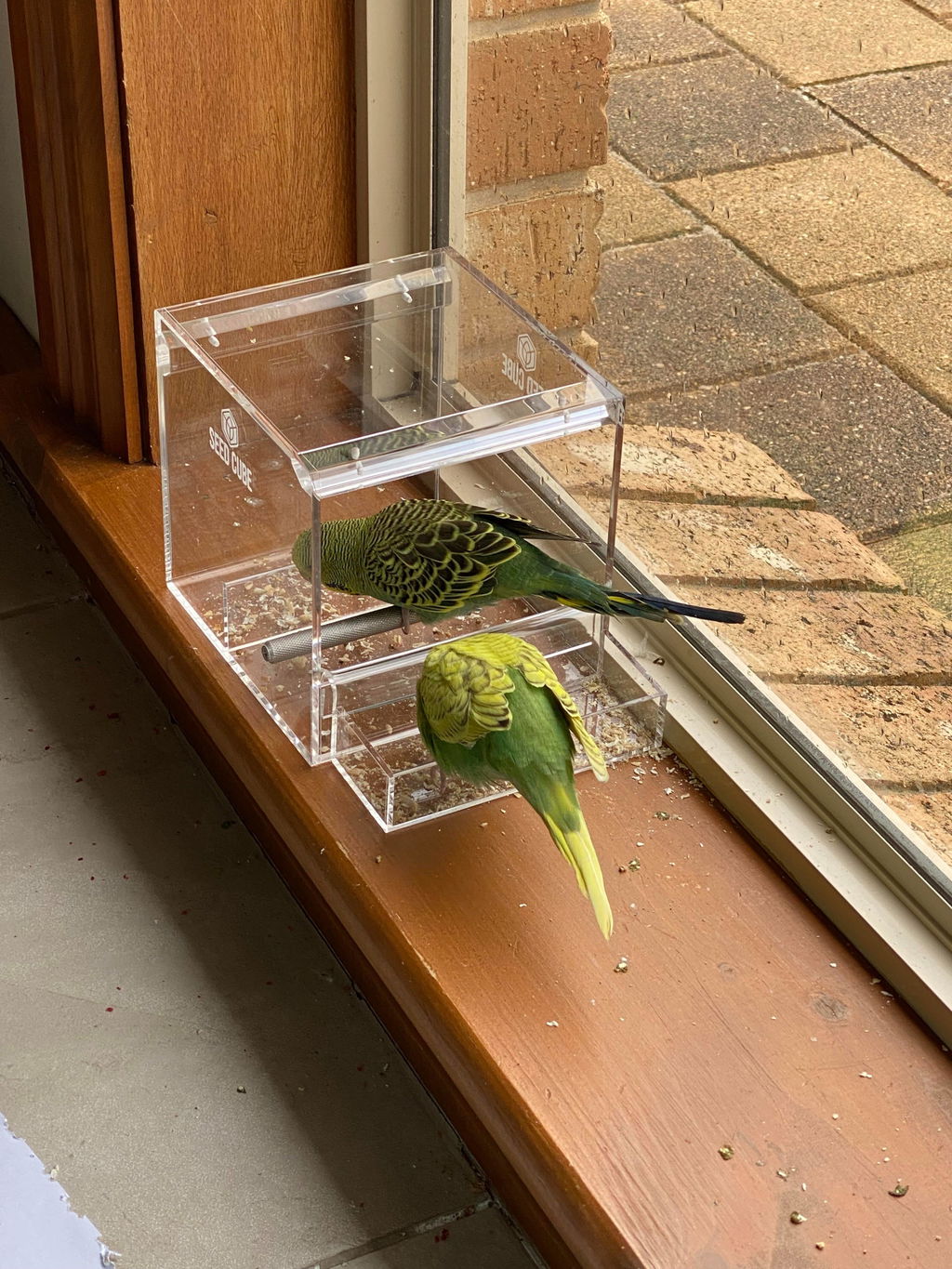
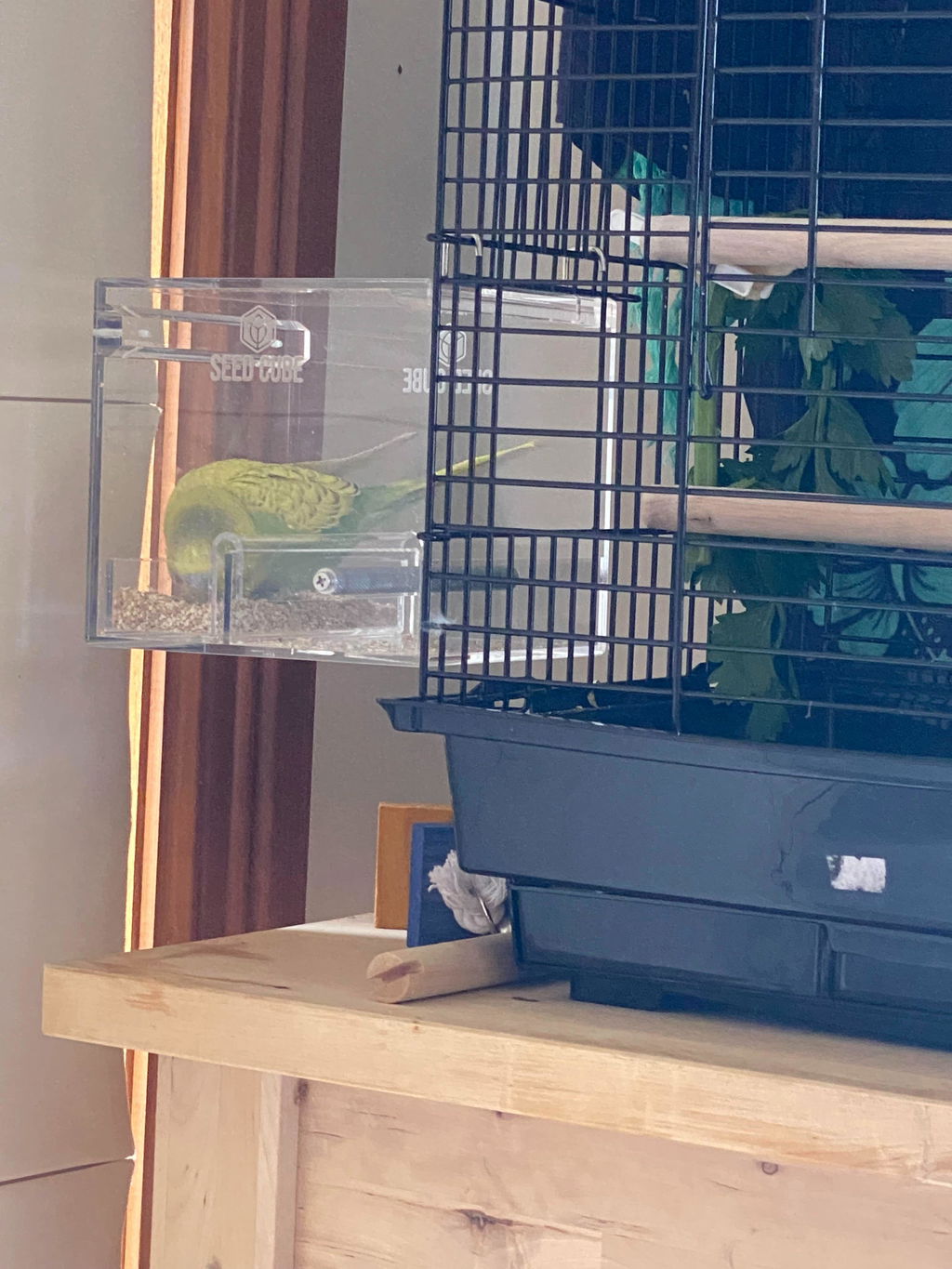
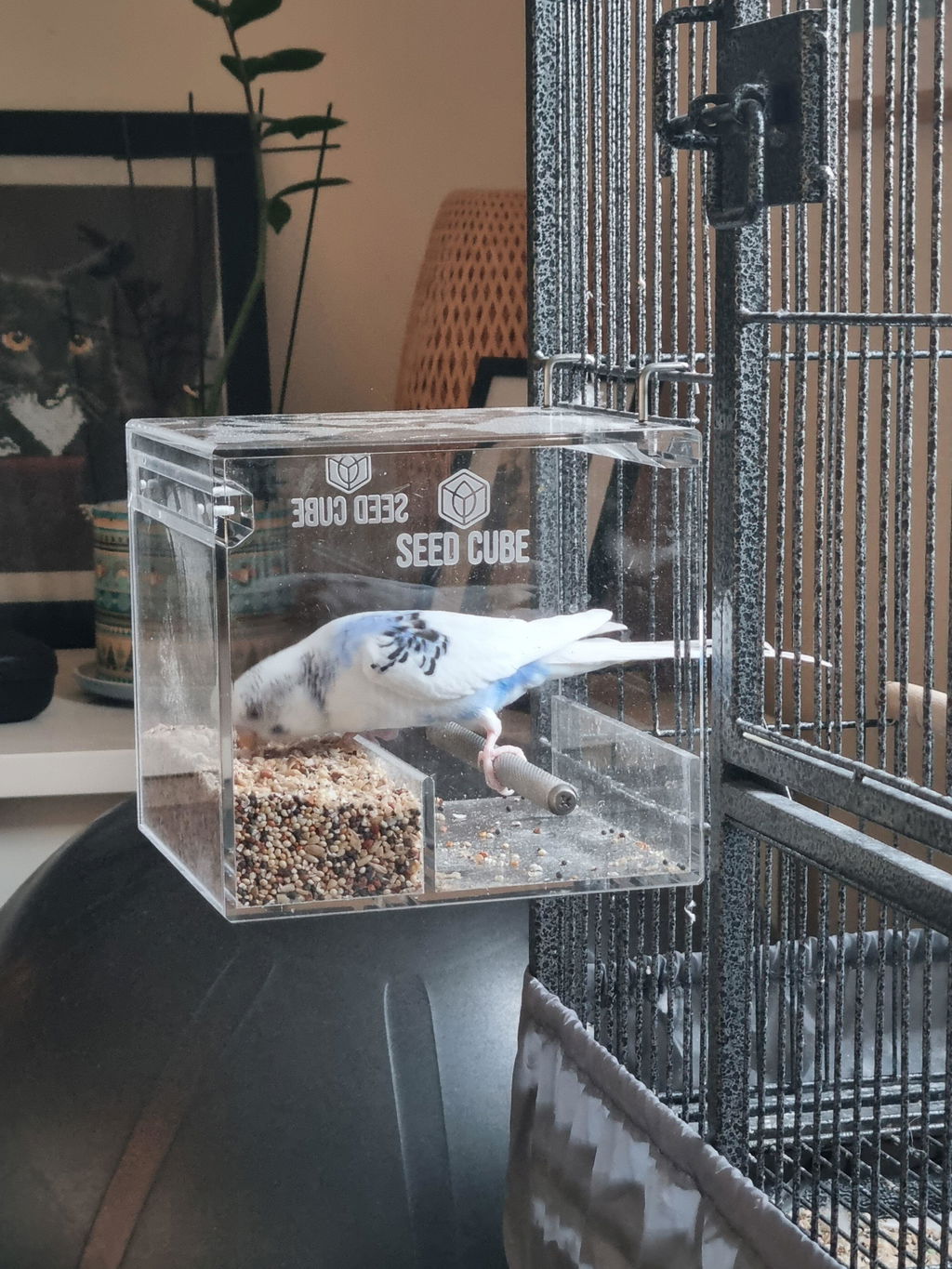
Seed Cube keeps husks and seed contained inside the feeding area.

Hero image
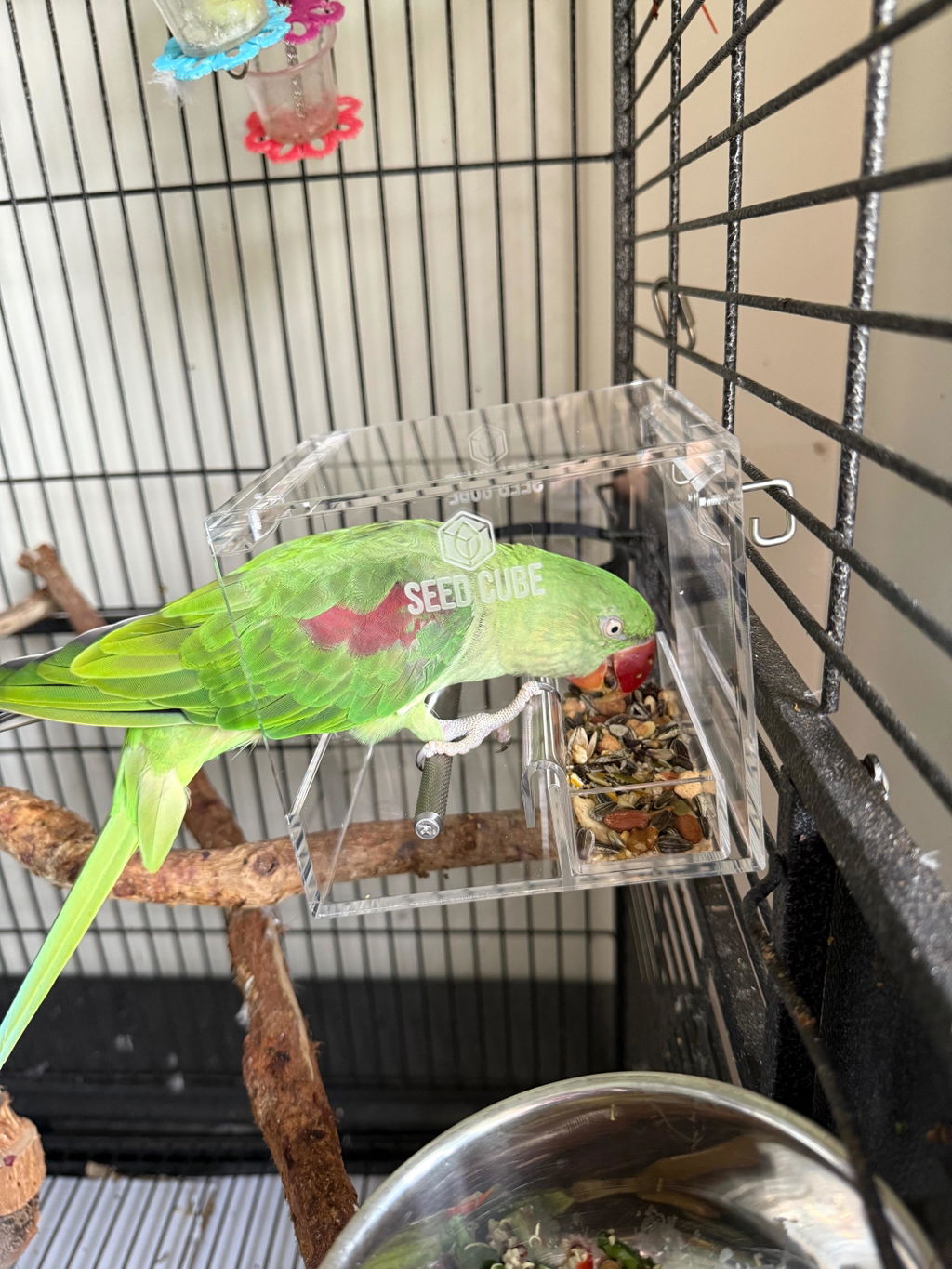
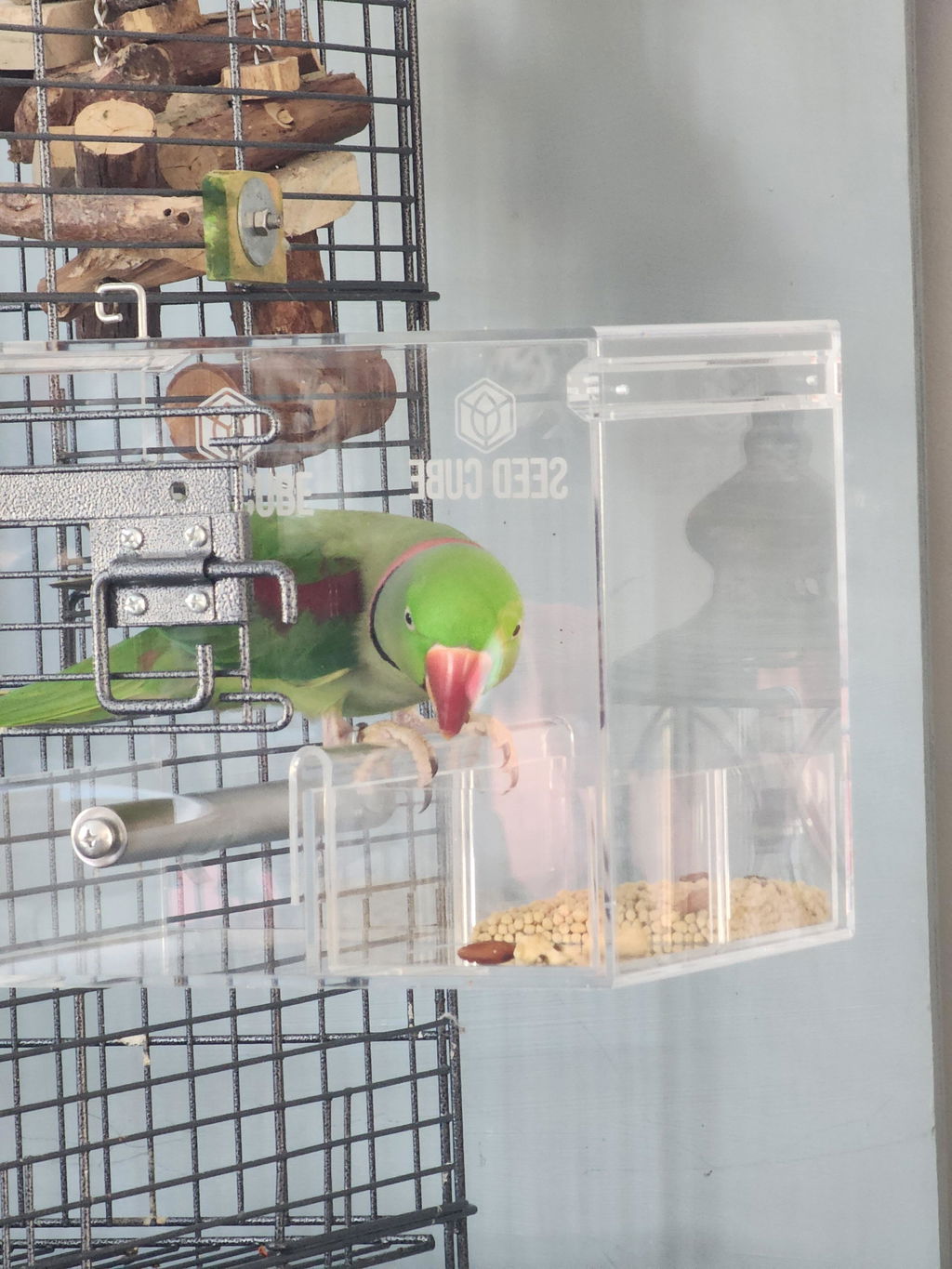
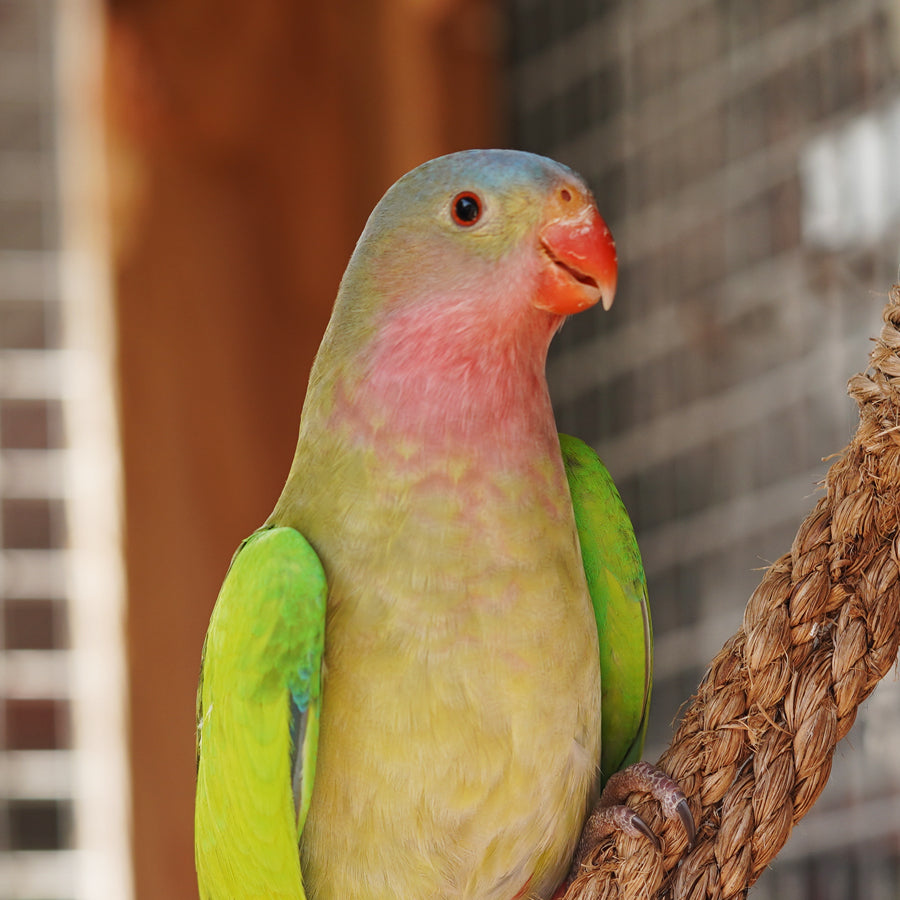
Pale green and pink princess parrot perched, a good fit for a Small Seed Cube no-mess feeder

THE FIX

SEED CUBE KEEPS HUSKS CONTAINED

Enclosed feeding reduces husk spray, waste, and daily cleanup.

Icon
Less husk scatter outside the cage
Icon
Less wasted seed during feeding
Icon
Cleaner cage floors and trays

MORE REASONS TO CHOOSE SEED CUBE

Safe by design

Safe by design

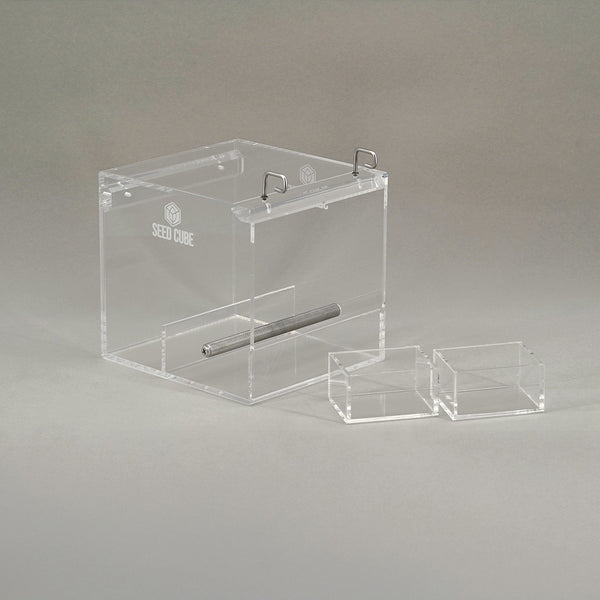
Thick SGS-tested UV-stabilised cast acrylic and stainless steel hardware. Smooth edges for your bird.
Aussie owned

Aussie owned

Family business based in NSW. Local team behind every order.
Owner approved

Owner approved

Over 10,000 Seed Cubes in real homes with hundreds of glowing reviews.
Fast support

Fast support

Reach out by email or chat. We actually reply and help.
Top-down view of Seed Cube Small in cage

SIZE GUIDE

WHICH SEED CUBE SUITS PRINCESS PARROTS?

Princess parrots average around 113 g, roughly 90 to 120 g, which sits well inside the Small range. They are about 45 cm long, but most of that is tail and it sits behind the bird while it feeds.

Small Seed Cube dimensions: 14 × 14 × 15 cm

If you keep princess parrots in a mixed aviary with genuinely large parrots, size the feeder for the biggest bird using it.

Icon
Small size suits Princess Parrots perfectly
Icon
Fits standard Princess Parrot cages and indoor aviaries
Icon
Enough capacity without crowding
Icon
If you keep Princess Parrots, choose the Small Seed Cube
Princess parrot perched on a branch, a small Australian parrot suited to a Small Seed Cube no-mess feeder

MOUNTING

STAYS STABLE DURING FEEDING

Mount it under cover rather than out in the open aviary, at a height the bird can reach from a nearby perch. Keeping rain off the feed is the priority with this species.

Use the supplied universal hooks or the Talon-Hook, depending on your wire spacing.

Icon
Secure mounting keeps the feeder steady
Icon
No swinging or tipping during feeding
Icon
Designed for cage mounting, not loose bowls
Icon
Feeding stays controlled and contained
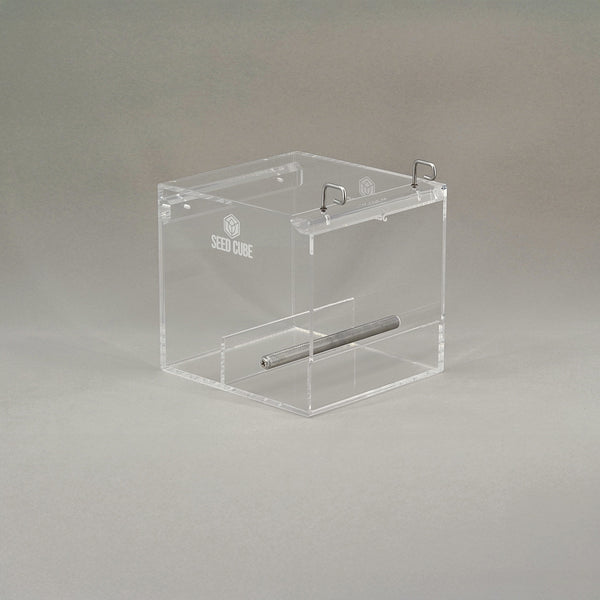
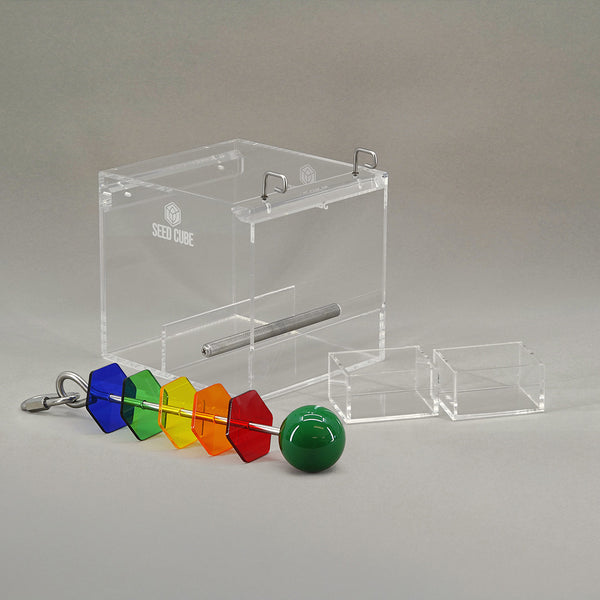
Compact no mess bird feeder - Seed Cube

Designed for Princess Parrots

WHY SEED CUBE WORKS FOR PRINCESS PARROTS

Princess parrots are gentle and quiet, but they are also flighty and slow to accept anything new. A fixed feeding spot they can learn and trust suits them better than a dish that moves.

The acrylic body wipes down and the tray lifts out, so the daily check is quick. In a flight aviary holding a ground-feeding species, quick is what gets it done every day.

Icon
Enclosed feeding area traps husks
Icon
Clear acrylic allows easy food visibility
Icon
Comfortable access for small Princess Parrot bodies
Icon
Stable design prevents movement
Icon
Husks stay inside the cube, not on your floor

Why the Small Seed Cube works long term

The Small Seed Cube supports Princess Parrot feeding habits while keeping cages cleaner day after day.

Trusted by Wildlife Experts

We're proud to be supported by people who dedicate their lives to the wellbeing of birds.

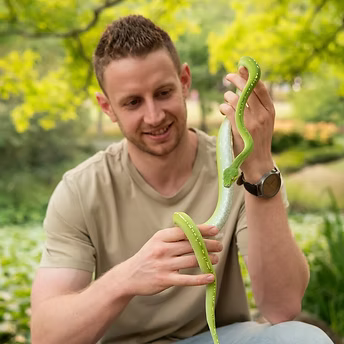
Ben Dessen — TV Personality, CEO & Director - Hills Wildlife Sanctuary
★★★★★

Ben Dessen

TV Personality, CEO & Director - Hills Wildlife Sanctuary

“We are so grateful to the team at Seed Cube for their generous ongoing sponsorship and support of our wildlife rescue and rehabilitation work. Not only does Seed Cube provide a monthly monetary donation, but they also donated some of their amazing and innovative products! We have been using the Seed Cubes with a number of our native animals and they make such a massive difference reducing food waste and mess. They are really durable and great quality, and our animals and volunteers love using them on a daily basis.”

PRINCESS PARROT FEEDING AND SEED CUBE FAQs

Common questions about feeding Princess Parrots and keeping the cage clean with Seed Cube.

The Small. A princess parrot averages around 113 g, which sits well inside the Small range. The bird is about 45 cm long, but most of that is tail and it sits behind the bird while it feeds, so length is not the measure that matters here. If you keep princess parrots alongside genuinely large parrots in a mixed aviary, size the feeder for the biggest bird using it.
Most will, but expect it to take longer than it does with a bolder species. Princess parrots are placid but flighty, and they startle at new objects. Mount the Cube before you remove the old dish, leave both available for a week or two, and let the bird find it in its own time rather than forcing the change.
It works with it, and that is the point. Ground feeding is exactly why Australian ground-feeding parrots in damp dirt-floored aviaries carry a heavy worm burden. RSPCA Australia notes those birds may need worming as often as every six weeks, while birds on easily cleaned floors may only need it two or three times a year. Getting the food up off the floor and into a fixed, cleanable spot reduces the amount of feed lying in the dirt. It does not replace a worming program set by your avian vet.
Moderate to high. They husk small seed, so the shells go somewhere, and a bird that feeds from an open dish on the floor will scatter it. A mounted feeder keeps most of the husk and spill in one place, which is easier to clear and easier to keep dry.
No. Princess parrots are far less destructive than cockatoos or macaws. The Seed Cube is made from 4 mm UV-stable acrylic with a knurled 304 grade stainless steel perch, which is well beyond what a bird this size will test.
Use the supplied universal hooks or the Talon-Hook, depending on your wire spacing, and fix it at a height the bird can reach from a nearby perch. Put it under cover rather than out in the open aviary, so rain does not wet the feed. Damp seed is the thing you are trying to avoid with this species.
Daily for fresh food, and a proper wash whenever it needs one. For a ground-feeding species kept in an aviary, hygiene is not a tidiness question, so do not let old feed sit. The acrylic body wipes down and the tray lifts out, so a daily check takes seconds.
Yes. The Cube handles formulated pellets, a measured seed serve, or a mix of both. If you are converting a seed-fed princess parrot onto pellets, do it slowly and under the guidance of an avian vet, because birds can refuse an unfamiliar food for longer than is safe.
Generally yes. Princess parrots are peaceable and share space well with other Australian grass parrots. Run more than one feeding station if you keep a group, so a dominant bird cannot hold the only food source, and size the feeder for the largest species in the aviary.

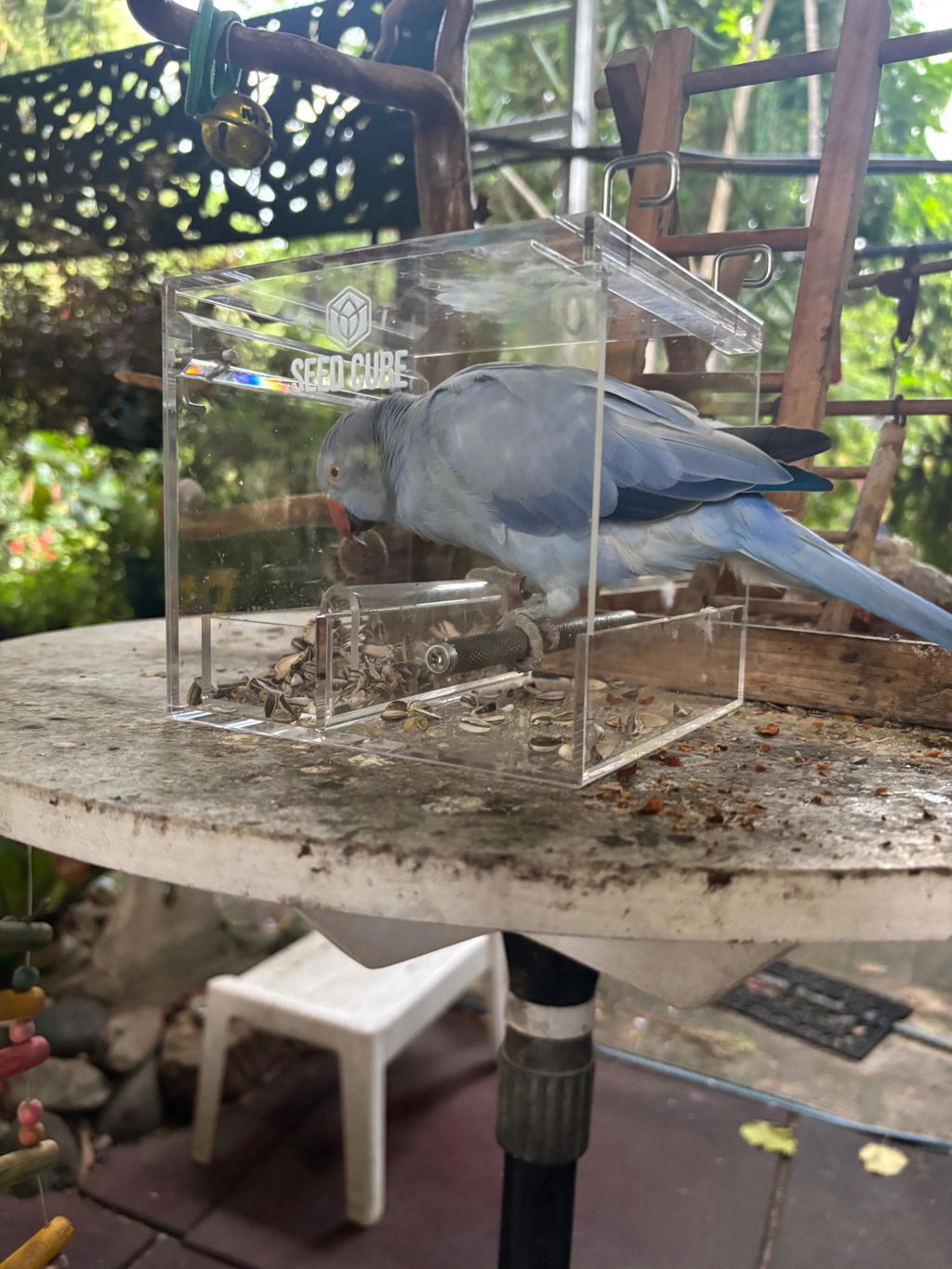
SEED CUBE SETUPS FOR PRINCESS PARROTS

4.91 from 91 reviews
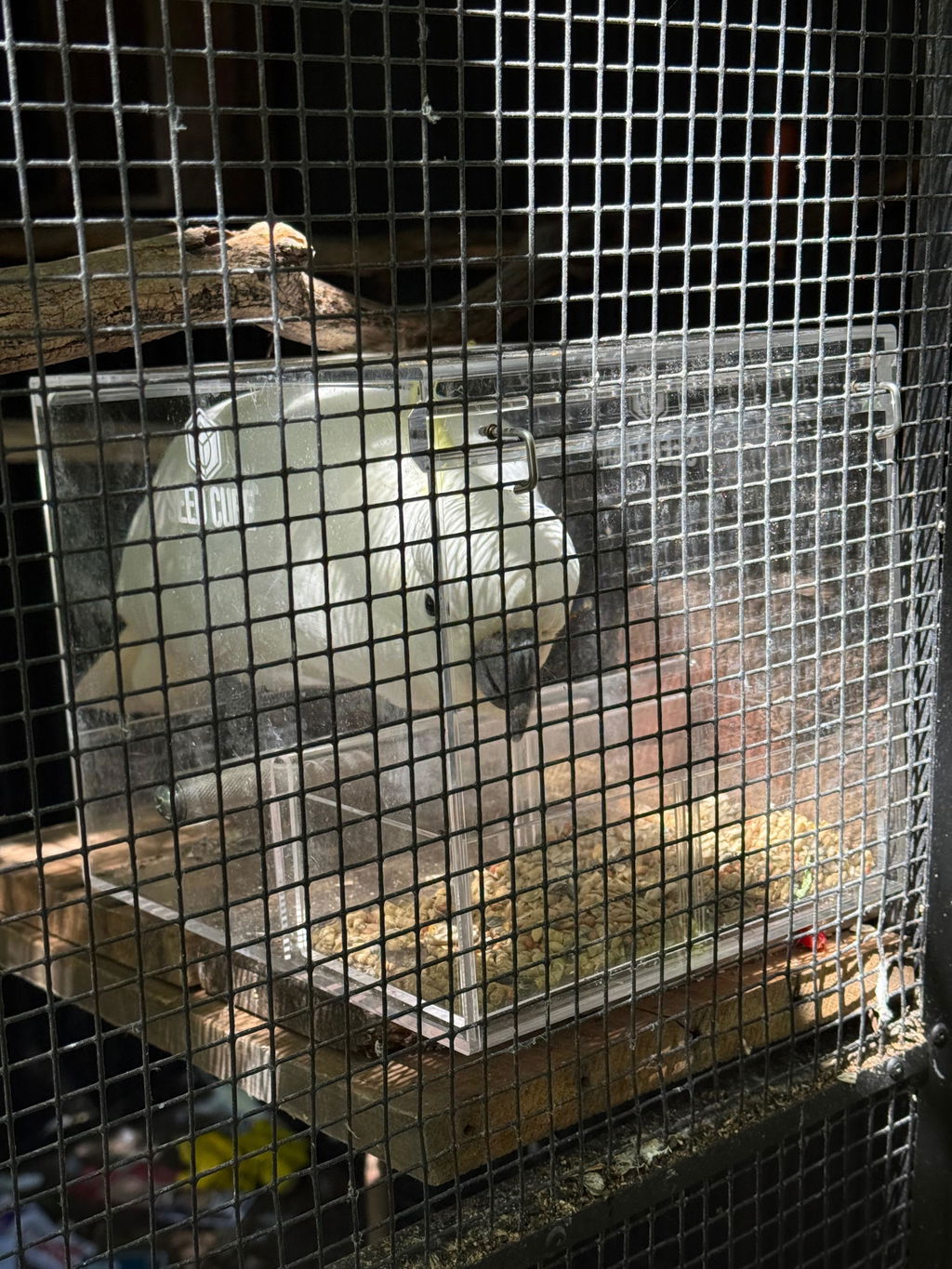
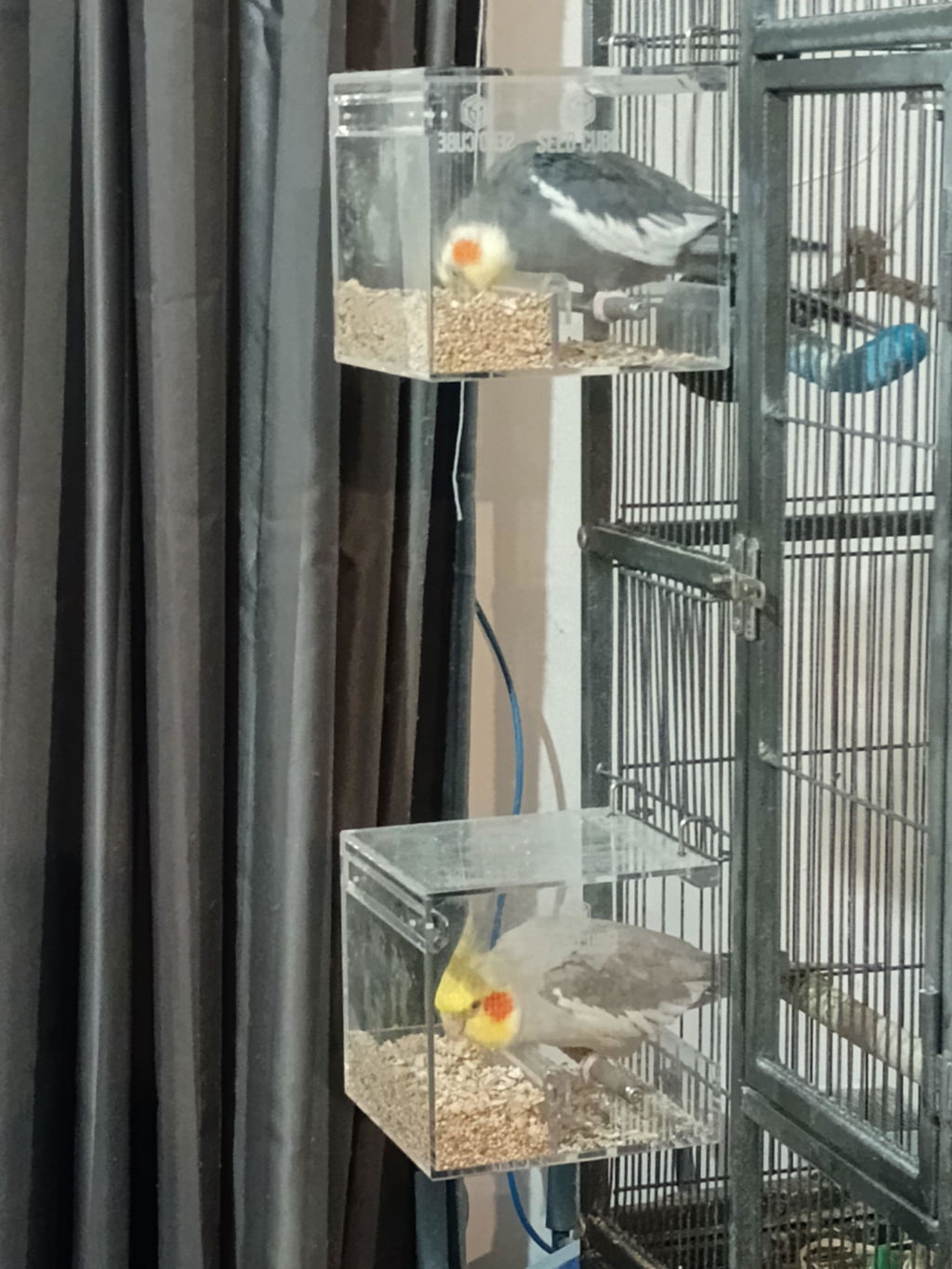
Cockatoo at Hills Wildlife Sanctuary supported by Seed Cube

Giving Back

SUPPORT NATIVE WILDLIFE WITH EVERY PURCHASE

Every Seed Cube order helps fund the work of Hills Wildlife Sanctuary in Sydney’s northwest. A portion of each sale goes toward caring for injured and orphaned native animals.

Hills Wildlife Sanctuary has been rescuing and rehabilitating Australian wildlife since 1977. Set on 35 acres of bushland beside Berowra Valley National Park, their team of vets, zoo keepers, carers and volunteers provides treatment, long term care for animals that cannot be released, and training for wildlife carers across NSW.

When you choose Seed Cube, you help support real hands on work that protects Australia’s native birds and other wildlife.

Russell and Peita, founders of Seed Cube, an Aussie family bird feeder brand

Meet the founders

An Aussie family brand, built for cleaner bird feeding.

Hi, we are Russell and Peita.

Seed Cube started at home with one very determined Alexandrine. After years of cracked plastic, slipped mounts, and constant clean ups, we realised most feeders were not built to handle real birds or daily use.

We set out to build something we would actually trust.
That same focus on strength, stability, and cleaner feeding now guides how we design feeders for daily cage use.

There are now over 10,000 Seed Cubes in use worldwide. We do not build feeders to be cheap. We build them so feeding feels easier and spaces feel calmer.

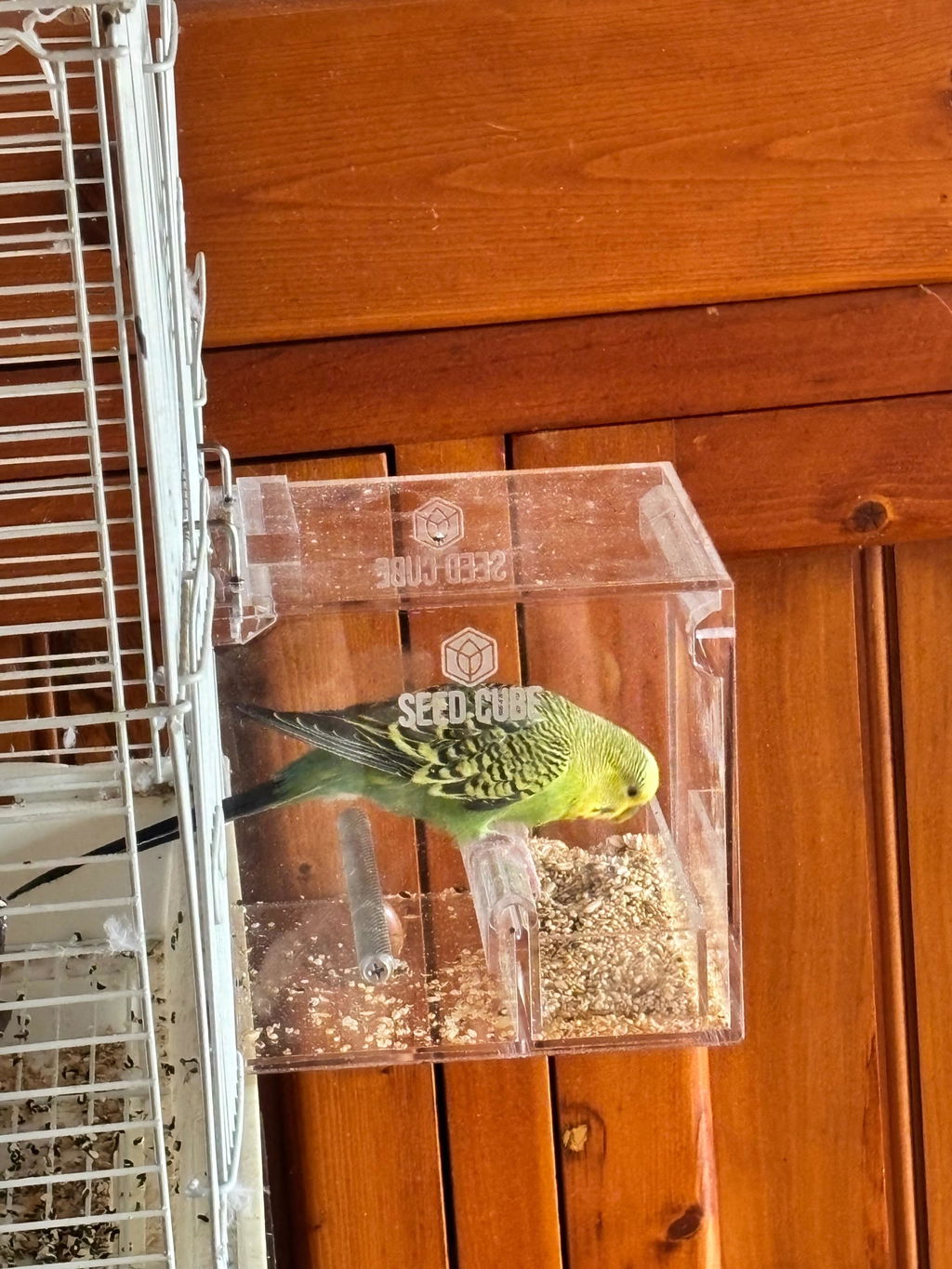
Icon
Aussie owned Sydney based family business.
Icon
Real bird owners Built from living with birds, not from a desk.
Icon
10,000+ Cubes Proven in real cages and homes.
Seed Cube no mess bird feeder built from durable acrylic

DURABLE BY DESIGN. BUILT FOR DAILY PRINCESS PARROT FEEDING.

Cheap feeders crack, fall, and need replacing. Seed Cube’s thick acrylic and stainless hardware are built to handle daily Princess Parrot feeding and last long term.