






Caique Care and Feeding
A vet-informed guide to feeding, housing and enrichment for the clown of the parrot world.

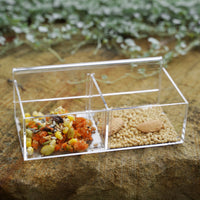
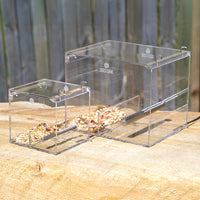
Which size suits a caique?
Not sure which Seed Cube fits your bird? Match the size in seconds.
Check the size guide


Pionites melanocephala & Pionites leucogaster
Caique
The clown of the parrot world
Behavioral Profile
Mess Potential
High
Low
High
Vocalization Level
Moderate
Quiet
Loud
Species Specifications
Size
Small (23 to 26 cm)
Weight
150 to 185 g
Feather Type
Standard contour feathers
Lifespan
25 to 40 years
Temperament
Playful, bold and energetic
Origins
South America (Amazon Basin)
Suitable Foods
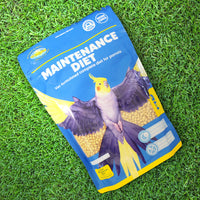
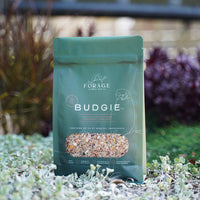
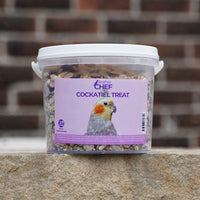
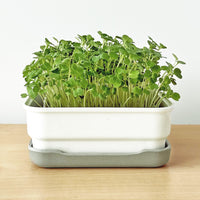
Formulated pellets, leafy greens, orange and red veg, sprouted seed, limited fruit, occasional nuts
Care Level
Intermediate
Care Notes
Common Feeding Mistakes
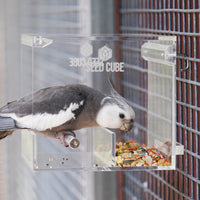
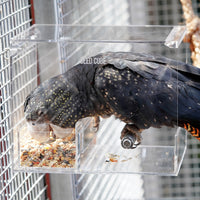
The costly caique feeding mistakes all come from that big appetite. A seed-only diet drives obesity, fatty liver and vitamin A deficiency. Letting a caique fill up on sweet fruit means it refuses the vegetables it actually needs. Free-feeding fatty nuts and sunflower to such a food-motivated bird piles on weight. And feeding from a plain bowl wastes a caique's foraging drive, so it gets bored, loud and messy.
Habitat Requirements
Caiques need a large cage or a small aviary and constant enrichment. This is an athletic, curious bird that will find every weak point in a flimsy cage, so choose quality stainless steel with a floor grate and correct bar spacing. Rotate destructible toys and foraging puzzles to keep that clown brain busy.
Handling & Socialisation
Bold and highly social, caiques bond hard and love to wrestle, roll and play. They need daily interaction and plenty of out-of-cage time. Supervise closely around other birds, as caiques are known for bird-on-bird aggression despite their small size.