

Cockatiel
Diet, cage, behaviour and feeding for cockatiels, plus the right no-mess setup.
View care guideFind the right no-mess feeder for your bird. Species-specific fit, sizing, and feeding behaviour.
Start with your bird species to see feeder size, fit, and recommended Seed Cube setups.
Diet, cage, behaviour and feeding for cockatiels, plus the right no-mess setup.
View care guide
Care, diet and behaviour for Indian Ringnecks, plus the right no-mess setup.
View care guide

Care, diet and behaviour for Alexandrines, plus the right no-mess setup.
View care guide


Diet, housing, enrichment and health for a galah, plus the right no-mess feeder.
View care guide


We're proud to be supported by people who dedicate their lives to the wellbeing of birds.
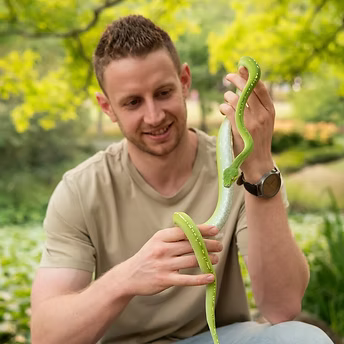
TV Personality, CEO & Director - Hills Wildlife Sanctuary
“We are so grateful to the team at Seed Cube for their generous ongoing sponsorship and support of our wildlife rescue and rehabilitation work. Not only does Seed Cube provide a monthly monetary donation, but they also donated some of their amazing and innovative products! We have been using the Seed Cubes with a number of our native animals and they make such a massive difference reducing food waste and mess. They are really durable and great quality, and our animals and volunteers love using them on a daily basis.”