
Feeding & Diet

What to Feed an Indian Ringneck: A Complete Diet Guide

By Russell Neale, Founder, Seed Cube 1 min read

TL;DR

  • Build the diet on quality parrot pellets, about 70 to 80 percent.
  • Add fresh vegetables and leafy greens daily, 15 to 20 percent, for vitamin A and calcium.
  • Keep seed and fruit as treats, around 10 to 15 percent; sprouted seed beats dry.
  • Always offer a cuttlebone, and never feed avocado, chocolate, caffeine or fruit seeds.
  • Use an enclosed feeder so you can see what your ringneck actually eats.

Quick answer

Feed an Indian Ringneck a diet built on quality parrot pellets (about 70 to 80 percent), with fresh vegetables and leafy greens daily (15 to 20 percent) and seed and fruit kept as treats (10 to 15 percent). Offer pellets and seed in separate bowls, keep a cuttlebone on the cage for calcium, and never feed avocado, chocolate, caffeine, alcohol or fruit seeds.
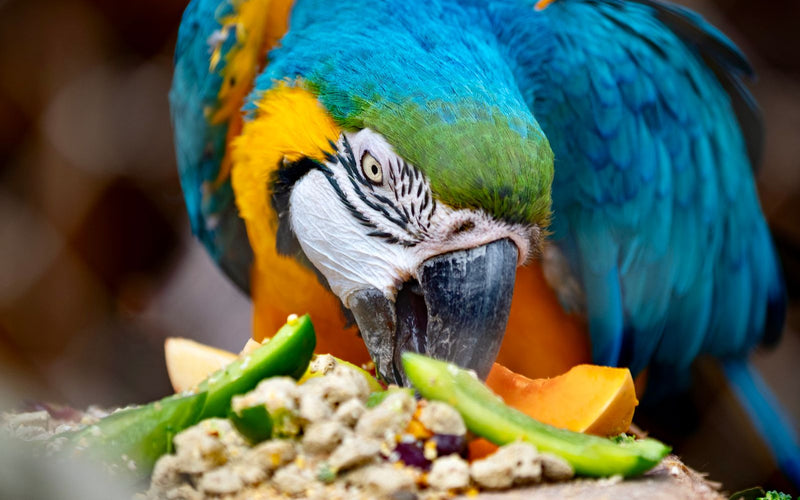
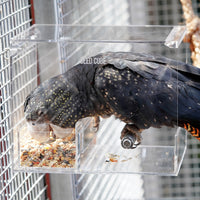
Eclectus parrot eating cooked vegetables from a bowl — Seed Cube eclectus nutrition guide
The right Indian Ringneck diet is mostly pellets and fresh greens, with seed as a treat.

The Indian Ringneck diet in one picture

A healthy Indian Ringneck diet is built on three things in the right proportions: quality pellets as the foundation, fresh vegetables and leafy greens every day, and seed and fruit as smaller treats. As a rough split, aim for about 70 to 80 percent pellets, 15 to 20 percent vegetables and greens, and 10 to 15 percent seed, sprouts and fruit combined.

The reason the balance matters is simple. Ringnecks love seed, and left to their own devices they will eat almost nothing else. A seed-only diet is high in fat and low in vitamins, calcium and other nutrients, and over years it causes obesity, fatty liver disease and poor feather quality. These are the most common diet-related problems avian vets see, and they are all preventable.

Pellets: the foundation

Quality pellets formulated for parrots are the cornerstone of the diet because each pellet carries a balanced set of vitamins and minerals. Unlike a seed mix, a ringneck cannot pick the bits it likes and leave the rest, so it gets complete nutrition in every mouthful. Choose a pellet made for small to medium parrots from a reputable brand.

Converting a seed addict to pellets takes patience. Start by mixing a few pellets into the usual food, then slowly increase the pellet ratio over a couple of weeks. Offer pellets first thing in the morning when your bird is hungriest, and remove the seed for that first feed. Never try to starve a bird onto pellets, and keep an eye on weight and droppings during the switch. Some ringnecks take to pellets in days, others take weeks, both are normal.

Vegetables and leafy greens

Fresh vegetables are where a ringneck gets much of its vitamin A, calcium and fibre, so offer some every day. Dark leafy greens are the standouts: kale, silverbeet, English spinach and Asian greens. Round them out with capsicum, broccoli, carrot, peas, corn and a little sweet potato. Wash everything well, chop it to a manageable size, and clip it to the bars or offer it in a separate dish.

Variety keeps a ringneck interested and covers more nutritional bases. Rotate what you offer through the week rather than serving the same thing every day, and do not worry if a new vegetable is ignored at first, it can take many tries before a bird accepts something new.

Seed and sprouted seed

Seed is not the enemy, ringnecks eat seed in the wild, but it should be a smaller part of the diet, around 10 to 15 percent, not the whole bowl. Use a quality species-specific blend rather than a cheap budgie mix, and treat it as the tasty part of a balanced plate.

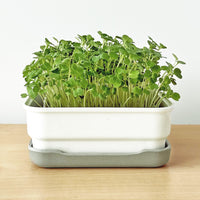
Sprouted seed is better again. When you soak and sprout dry seed, enzymes activate, the fat content drops and vitamin levels rise sharply, and most ringnecks go mad for it. To sprout at home, rinse the seed, soak it in clean water for 8 to 12 hours, drain and rinse, then leave it in a jar with a mesh or cloth lid, rinsing twice a day. Small sprout tails appear within 24 to 48 hours, and that is when it is ready. Serve it fresh, refrigerate what you do not use, and throw out any batch that smells sour.

Fruit, nuts and treats

Fruit is a treat, not a staple, because of the sugar. Apple, banana, mango, pear and berries are all popular and fine in small amounts. Always remove seeds and pips first, the seeds of apples and stone fruit contain small amounts of cyanide and should never be eaten. A few pieces a few times a week is plenty.

Nuts such as almonds and walnuts make a great training treat and a bit of mental enrichment when offered in the shell, but they are high in fat, so keep them occasional. Skip sugary, salty or fatty human snacks entirely, they do a ringneck no good.

Calcium and a cuttlebone

Keep a cuttlebone or mineral block clipped to the cage at all times. Ringnecks gnaw on it when their body needs calcium and largely self-regulate, and it doubles as beak maintenance and enrichment. Calcium matters even more for breeding hens, who draw heavily on their reserves to form eggshells, and a deficiency can lead to soft-shelled eggs or egg binding.

If your bird is eating plenty of dark leafy greens and a good pellet, it is getting calcium from its food too. Watch for signs of deficiency such as weakness, trembling or poor feather condition, and see an avian vet if you are concerned.

Foods that are toxic, never feed these

Some everyday foods are dangerous to ringnecks. Never feed avocado, chocolate, caffeine, alcohol, salty or very fatty foods, onion, garlic, or the seeds and pips of apples and stone fruit. Rhubarb leaves and tomato leaves are also off the menu. When in doubt, leave it out.

Avocado is the one to be most careful with. It contains persin, which is toxic to birds, and even a small amount of the flesh, skin or stone can cause heart failure within a day or two. Keep guacamole, avocado on toast and anything similar well away from your bird.

A cleaner way to feed a messy eater

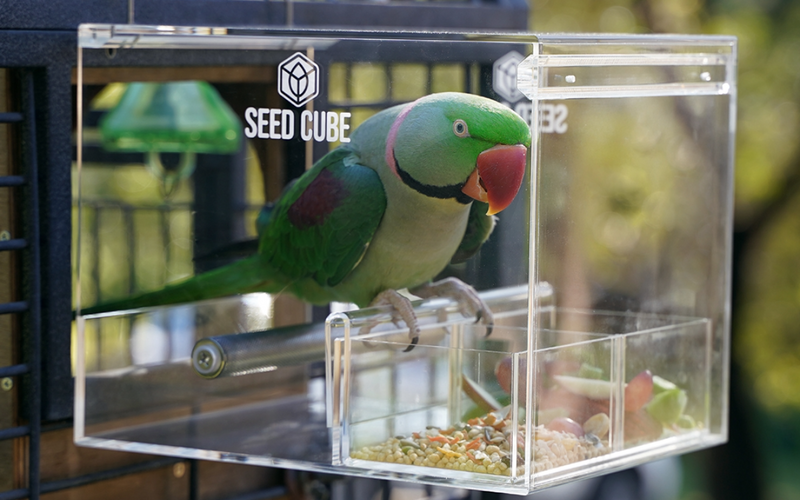
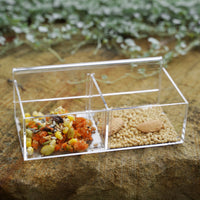
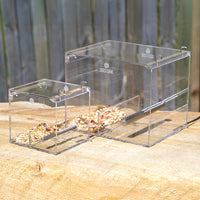
Ringnecks are famously messy. They flick, sift and fling food as they eat, so a varied fresh diet can mean seed, husks and chopped veg sprayed across the floor and wasted. An enclosed feeder keeps that mess contained inside the cage, cuts the daily clean-up, and reduces the food you throw away.

There is a health bonus too. When the cage floor is clear, you can actually see what your ringneck is eating and read its droppings, which are one of the earliest signs that something is wrong. A clean, contained feeding setup makes a balanced diet easier to stick to and easier to monitor.

Key facts

  • 70-80%

    Pellets in a healthy diet

  • 15-20%

    Vegetables and greens daily

  • 10-15%

    Seed, kept as a treat

  • 25-30 yrs

    Lifespan with good care

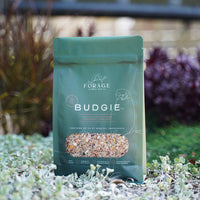
Made for ringnecksForage Gourmet Seed - Alexandrine & Ringneck Specialty Blend-Bird Seed-Seed Cube

The seed part, done right

Forage Gourmet Seed - Alexandrine & Ringneck Specialty Blend

$15.99

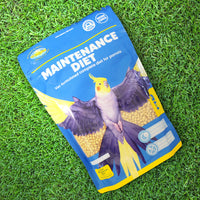
The Forage Gourmet Alexandrine and Ringneck blend is a quality seed mix built for the species. Use it as the seed portion of a balanced diet alongside pellets and fresh veg.

Shop the ringneck blend
Forage Gourmet Seed - Alexandrine & Ringneck Specialty Blend-Bird Seed-Seed Cube
Forage Gourmet Seed - Alexandrine & Ringneck Specialty Blend $15.99
Shop the ringneck blend

Frequently asked questions

What should I feed an Indian Ringneck?

A diet built on quality parrot pellets (about 70 to 80 percent), plenty of fresh vegetables and leafy greens (15 to 20 percent), with seed and treats as a smaller part. Always have fresh water and a cuttlebone available.

Can Indian Ringnecks eat seed?

Yes, in moderation, about 10 to 15 percent of the diet. Seed alone is too fatty and lacks nutrients, so keep it as a treat. Offer pellets and seed in separate bowls, because ringnecks will pick out the seed and ignore pellets if you mix them.

What vegetables can Indian Ringnecks eat?

Dark leafy greens like kale and silverbeet are best for vitamin A and calcium. Capsicum, broccoli, carrot and peas are also great. Offer some fresh veg every day.

What fruit can Indian Ringnecks eat?

Apple, banana, mango and berries are all fine in moderation. Always remove seeds and pips, apple and stone-fruit seeds contain cyanide. Keep fruit to a treat because of the sugar.

What foods are toxic to Indian Ringnecks?

Never feed avocado, chocolate, caffeine, alcohol, salt, onion, garlic, or fruit seeds and pips. Avocado is the most dangerous and can be fatal within a day or two.

How do I get my ringneck to eat pellets?

Convert gradually. Mix a few pellets into the usual food, increase the ratio over a couple of weeks, and offer pellets first thing in the morning when your bird is hungriest. Never starve a bird onto pellets, and watch its weight and droppings.

Do Indian Ringnecks need a cuttlebone?

Yes. Keep a cuttlebone or mineral block on the cage at all times for calcium. Ringnecks gnaw on it when they need it, and it matters even more for breeding hens.

Sources

  1. Lafeber, parrot nutrition and feedingGeneral guidance only. For diet changes or health concerns, consult a qualified avian vet.
  2. Australian Veterinary Association, companion bird nutrition

About the author

Russell Neale
Founder, Seed Cube

Russell Neale is the founder of Seed Cube, which he started in 2024. A bird owner in the Hills District of NSW, he keeps three birds, including a hand-raised male Alexandrine now 12 years old. Frustrated by cheap and sometimes unsafe pet-store feeders, he set out to build something better for his birds and everyone else's. Seed Cube works closely with Hills Wildlife Sanctuary.

Get the Indian Ringneck diet right and you set your bird up for a long life, 25 to 30 years is normal with good care. Build it on quality pellets, pile on fresh greens and veg, keep seed and fruit as treats, always offer a cuttlebone, and never let avocado near the cage. Then contain the mess so you can see exactly what your ringneck is eating.

See the ringneck feeder