

Finch Care and Feeding

Everything for a cleaner, healthier finch setup, in one place.

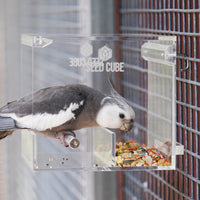
Finch perched beside a Seed Cube no-mess feeder

Finch Feeder

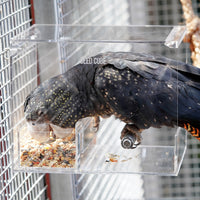
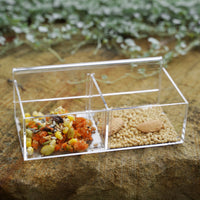
The no-mess Seed Cube, sized for finch cages. Catches the husks and small-seed scatter finches leave behind.

View the finch feeder
Finch perched on a feeder hoop

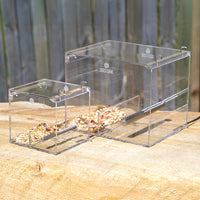
Which size suits a finch?

Match your finches to the right Seed Cube. By weight, finches suit the Small.

Size guide
Finch first aid

Finch first aid

A free first aid guide for common finch emergencies and warning signs.

Get the guide
Species hero image
Family Estrildidae (e.g. zebra finch, Taeniopygia castanotis)

Finch

Small, active flock bird that eats small seeds and scatters husks as it feeds

Behavioral Profile

Mess Potential Moderate
Low High
Vocalization Level Low to moderate
Quiet Loud

Species Specifications

Size

10 to 12 cm

Weight

10 to 16 g

Feather Type

Soft plumage, no powder down

Lifespan

5 to 10 years

Temperament

Active, social, best kept in pairs or groups

Origins

Australia and Africa, depending on species

Suitable Foods

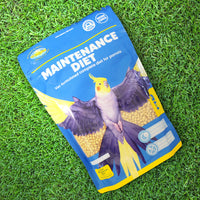
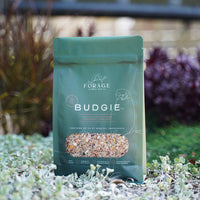
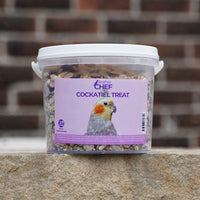
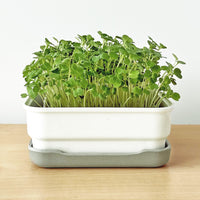
Finch seed mix, sprouted seed, leafy greens, egg food, cuttlebone

Care Level

Beginner

Care Notes

Common Feeding Mistakes
The biggest mistake is a seed-only diet. Finches love seed, but on its own it is too fatty and short on vitamins and calcium, which harms health over time. Offer a quality finch seed mix as the base, add fresh greens, sprouted seed and a little egg food, and always keep a cuttlebone and fresh water available.
Habitat Requirements
Finches need horizontal flight space, so a long cage or aviary matters more than a tall one. Keep bar spacing narrow so heads cannot get stuck, offer several perches at different heights, and keep finches in at least a pair, as they are flock birds that suffer alone. Keep them out of draughts and direct sun.
Handling & Socialisation
Finches are birds to watch, not to handle. They are happiest observing from their flock and are easily stressed by handling, so enjoy them visually and keep at least two together for company. Move slowly near the cage and give them quiet, settled surroundings.