
Feeding & Diet

Bird Health Basics: Diet, Clean Feeding and Foraging

By Russell Neale, Founder, Seed Cube Updated 28 June 2026 3 min read

TL;DR

  • Seed alone causes selective feeding; aim for pellets, a quality seed blend and fresh foods.
  • Transition any diet change gradually over a week or two.
  • Never feed avocado, chocolate, caffeine, onion, garlic or salty foods.
  • Clean, contained feeding lowers bacteria and mould and helps you spot problems early.

Quick answer

A healthy bird diet combines three parts: pellets for a balanced nutritional base, a quality seed blend for variety and foraging, and fresh foods like leafy greens, vegetables and microgreens. Seed alone encourages selective feeding and nutritional gaps. Change diets gradually over a week or two, keep fresh water available, and never feed avocado, chocolate, caffeine, onion, garlic or salty foods. Clean, contained feeding keeps the cage hygienic and helps you notice health changes early.
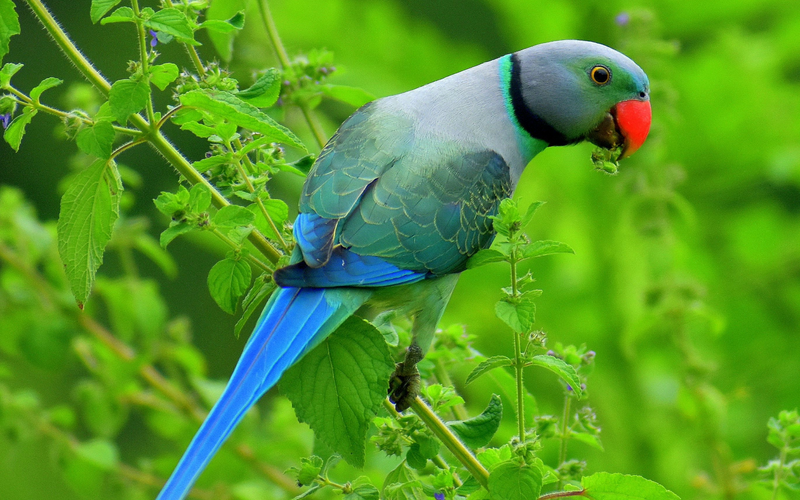
Parakeet eating fresh fruit as part of a varied diet
Diet, clean feeding and foraging, the three pillars of a healthy bird.

A balanced diet, not just seed

A healthy bird starts with a balanced diet, and seed alone is the most common mistake. Left to choose, many birds pick out their favourite seeds and leave the rest, which leads to selective feeding and nutritional gaps over time.

The fix is variety: a quality base, fresh foods and the right enrichment, served in a way that keeps the cage clean.

Seed, pellets and fresh foods

Aim for three parts working together:

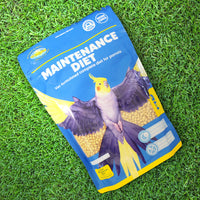
  • Pellets give a balanced nutritional base and reduce selective feeding. Introduce them gradually if your bird is new to them.
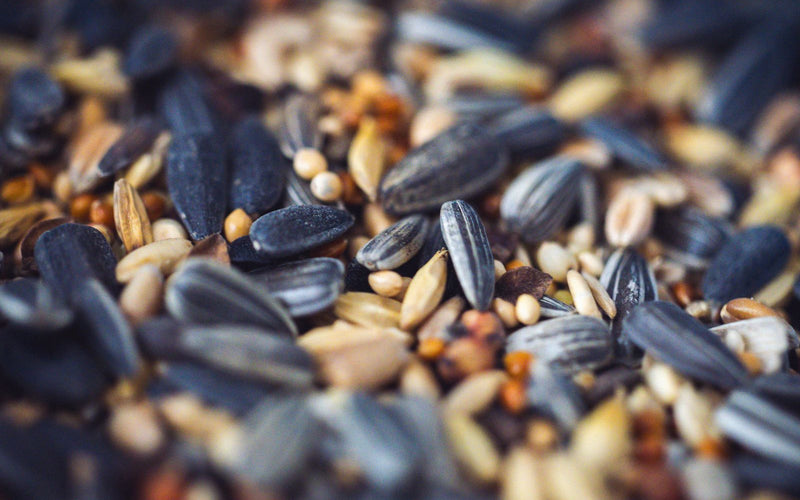
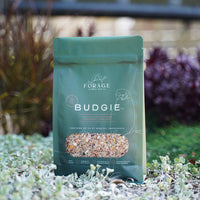
  • A quality seed blend adds variety and natural foraging. Choose human-grade blends without cheap fillers.
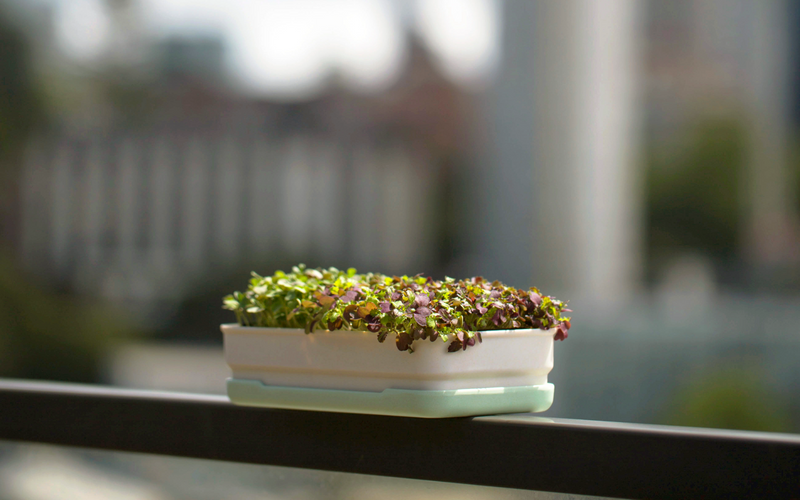
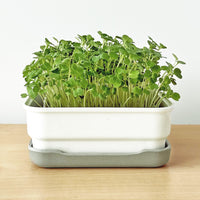
  • Fresh foods such as leafy greens, vegetables, a little fruit and home-grown microgreens round out the diet.

Switch any diet gradually over a week or two, mixing the new food in and increasing the ratio as your bird accepts it. Keep fresh water available and remove uneaten wet foods daily.

Clean feeding protects health

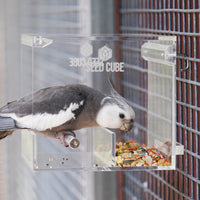
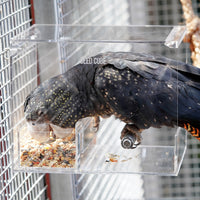
Diet is only half the picture. Spilled seed and hulls on the cage floor break down and grow bacteria and mould, which can lead to respiratory and fungal problems. Contained, enclosed feeding keeps food where it belongs and the cage cleaner and safer.

A clean feeder also makes it easier to see exactly what your bird is eating, so you notice changes early.

Foraging and enrichment

Birds are built to work for their food. Feeding that asks them to peck, sort and explore keeps them mentally stimulated and physically active, which supports calmer behaviour and better health in a cage.

Rotate foods, vary where you place them, and add foraging toys to keep mealtimes interesting.

Signs of a healthy bird, and when to see a vet

A healthy bird is bright-eyed and alert, with smooth, clean feathers, a steady weight and a good appetite. Droppings are consistent from day to day.

See an avian vet if you notice a fluffed-up posture, changes in appetite or droppings, laboured breathing, or weight loss. Birds hide illness well, so it is best to act early rather than wait.

Key facts

  • 3 parts

    Seed, pellets, fresh

  • Avoid

    Avocado and onion

  • Gradual

    Diet transitions

  • Avian vet

    For any changes

Cleaner, healthier feedingSeed Cube  - Small - No mess bird feeder

Seed Cube

Seed Cube - Small - No mess bird feeder

$89.99

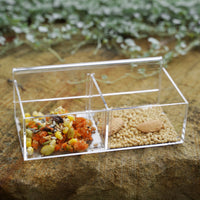
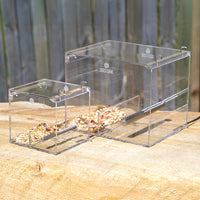
An enclosed feeder keeps spilled seed, hulls and the bacteria they grow out of the cage, so feeding stays hygienic and you can see exactly what your bird eats.

Shop Seed Cube
Seed Cube  - Small - No mess bird feeder
Seed Cube - Small - No mess bird feeder $89.99
Shop Seed Cube

Frequently asked questions

Is a seed-only diet bad for birds?

It can be. Seed alone encourages selective feeding and nutritional gaps. Combine a quality seed blend with pellets and fresh foods for balance.

Should I feed pellets or seed?

Both have a place. A pelleted base plus a quality seed blend and fresh foods works well. Introduce pellets gradually if your bird is new to them.

What fresh foods are safe?

Leafy greens, many vegetables, small amounts of fruit and home-grown microgreens are good choices. Avoid avocado, onion, garlic, chocolate, caffeine and salty foods.

How do I switch my bird to pellets?

Gradually, over a week or two. Mix pellets in with the current food and slowly increase the ratio as your bird accepts them.

How does a clean feeder help health?

Contained feeding reduces spilled hulls on the cage floor, which lowers bacteria and mould and the respiratory and fungal risks that come with them.

Sources

  1. RSPCA Australia Knowledgebase, What should I feed my birds?Australian welfare guidance on bird diet. For your bird's specific needs, consult an avian vet.
  2. Lafeber Company, Feeding Your Pet Bird a Healthy DietOn balanced diets and the risks of seed-only feeding.
  3. Association of Avian Veterinarians, Feeding BirdsGeneral feeding and husbandry guidance for pet birds.

About the author

Russell Neale
Founder, Seed Cube

Russell Neale is the founder of Seed Cube, a bird-feeding brand he started in 2024 in the Hills District of NSW. A long-time bird owner himself, with three birds including a 12-year-old hand-raised Alexandrine, Russell built Seed Cube after years of frustration with messy, flimsy and poorly designed feeders.

Seed Cube makes practical, durable products that keep feeding cleaner, easier and safer for pet birds, and that are designed to last rather than end up in landfill. The brand works closely with Hills Wildlife Sanctuary, and everything it makes is BUILT FOR BIRDS™.

Good bird health is diet plus environment. Feed a balanced mix of pellets, quality seed and fresh foods, transition slowly, and avoid the toxic foods. Keep feeding clean and contained so the cage stays hygienic and you can spot any change early, and see an avian vet if something seems off.

Shop Seed Cube