

Alexandrine Care and Feeding

Everything for a cleaner, healthier alexandrine setup, in one place.

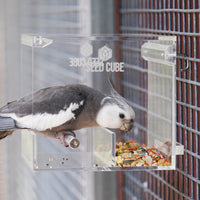
Alexandrine parakeet beside a Seed Cube no-mess feeder

Alexandrine Feeder

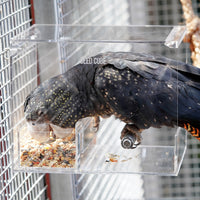
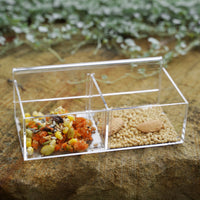
The no-mess Seed Cube, sized for alexandrine cages. Built to take a big beak and contain the mess.

View the alexandrine feeder
Which size suits an alexandrine?

Which size suits an alexandrine?

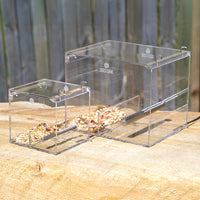
Match your alexandrine to the right Seed Cube. By weight, alexandrines suit the Large.

Size guide
Alexandrine first aid

Alexandrine first aid

A free first aid guide for common alexandrine emergencies and warning signs.

Get the guide
Species hero image
Psittacula eupatria

Alexandrine Parakeet

Large, striking parakeet with a long tail and a strong talking ability

Behavioral Profile

Mess Potential High
Low High
Vocalization Level High
Quiet Loud

Species Specifications

Size

56 to 62 cm (with tail)

Weight

200 to 300 g

Feather Type

Contour, low dust

Lifespan

25 to 30 years

Temperament

Intelligent, affectionate, can be loud

Origins

Asia

Suitable Foods

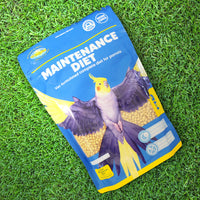
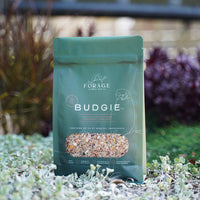
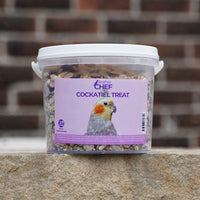
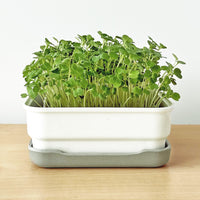
Quality pellets, seed mix, fresh veg and fruit, nuts, sprouts

Care Level

Intermediate

Care Notes

Common Feeding Mistakes
An all-seed diet is the biggest mistake. Alexandrines love seed and nuts, but on their own they are too fatty. Base the diet on quality pellets, add fresh vegetables, leafy greens and some fruit daily, and offer nuts as a treat. Avoid avocado, chocolate, caffeine and salty foods.
Habitat Requirements
Alexandrines are large with long tails and need a big cage, wider than it is tall, with secure bar spacing around 2 cm. They are strong chewers, so use sturdy fittings and plenty of chew and foraging toys, and give several hours of supervised time out of the cage each day.
Handling & Socialisation
Alexandrines are clever and bond strongly, often to one person, so involve the whole household in handling and feeding to keep them sociable. Start training young with short, positive sessions. Without daily interaction and enrichment they can become loud or nippy.