

Canary Care and Feeding

How to feed, house and care for a healthy, singing canary.

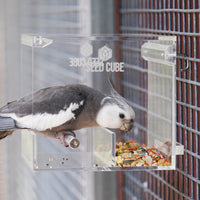
Yellow canary at a Seed Cube no-mess feeder

Canary Feeder

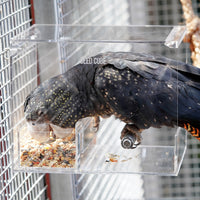
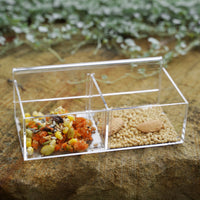
The no-mess Seed Cube for canary cages. Contain the husks and keep seed tidy.

View the feeder
Yellow canary, Seed Cube size guide

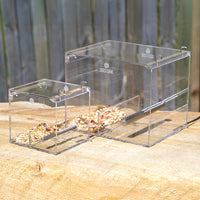
Which size fits my bird?

Match your canary to the right Seed Cube size in seconds.

See the size guide
Bird first aid guide

Bird first aid

Quick steps for common canary emergencies before you reach a vet.

Open the guide
Yellow canary, canary diet guide

What to feed a canary

The complete canary diet guide: seed, greens, pellets and the all-seed trap.

Read the diet guide
Species hero image
Serinus canaria forma domestica

Canary

The songbird finch, a small seed-eater famous for its voice

Behavioral Profile

Mess Potential Moderate to high
Low High
Vocalization Level High, the male's song
Quiet Loud

Species Specifications

Size

About 12 to 14 cm long

Weight

About 15 to 25 g, usually around 20 g

Feather Type

Soft yellow, orange, white or variegated plumage, low dust

Lifespan

Commonly 10 to 15 years with good care

Temperament

Active, cheerful and self-contained, prized for the male's song

Origins

Descended from the wild canary of the Canary Islands, Azores and Madeira

Suitable Foods

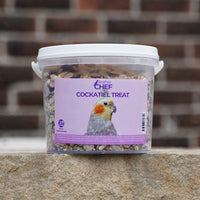
A quality canary seed mix, daily leafy greens and vegetables, a small amount of formulated canary or finch pellet or egg-based soft food, plus egg food for extra protein during the moult and breeding season

Care Level

Beginner friendly

Care Notes

Common Feeding Mistakes
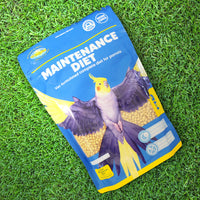
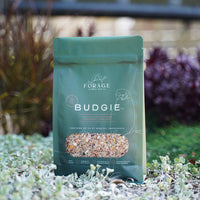
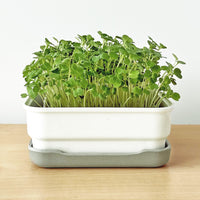
The biggest canary mistake is feeding seed alone. It looks natural, but an all-seed diet is low in vitamins, minerals, protein and iodine, and it drives obesity, fatty liver and iodine-deficiency goitre, a swollen thyroid that can cause clicking or wheezy breathing and regurgitation. Balance the seed with daily greens and vegetables, a small formulated pellet or egg-based soft food, and a cuttlebone for calcium. Add egg food through the moult and breeding season. Never feed avocado, which is toxic to birds.
Habitat Requirements
Canaries are active little birds that need a long flight cage rather than a tall narrow one, because they fly side to side rather than climb. Give them several perches of varying thickness, set away from the feeder so droppings do not foul the food, plus a shallow dish for bathing. Keep the cage out of draughts, kitchen fumes and harsh afternoon sun, and give them clear daylight and quiet, dark nights to keep the male in song.
Handling & Socialisation
Canaries are watchers rather than cuddlers. Most prefer not to be handled and show contentment through song and activity rather than physical affection. They are happy kept singly, and a lone male sings best, while males housed together may squabble in the breeding season. Move slowly around the cage, talk or play gentle music, and let a new bird settle for a week or two before expecting full song.