

Cockatiel Care and Feeding

Everything for a cleaner, healthier cockatiel setup, in one place.

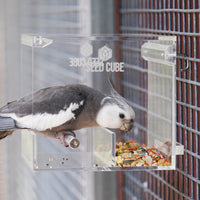
Yellow cockatiel beside a Seed Cube no-mess feeder

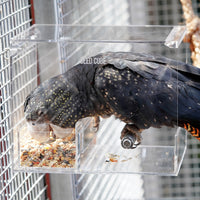
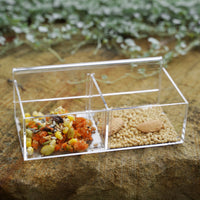
Cockatiel Feeder

The no-mess Seed Cube, sized for cockatiel cages. Less seed spray, less waste, faster cleanup.

View the cockatiel feeder
Which size suits a cockatiel?

Which size suits a cockatiel?

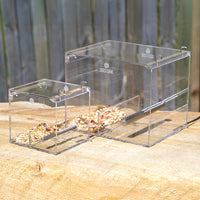
Match your cockatiel to the right Seed Cube. Most cockatiels fit the Small.

Size guide
Cockatiel first aid

Cockatiel first aid

A free first aid guide for common cockatiel emergencies and warning signs.

Get the guide
Species hero image
Nymphicus hollandicus

Cockatiel

Small Australian parrot known for sorting seed and flicking husks while it eats

Behavioral Profile

Mess Potential Moderate to high
Low High
Vocalization Level High
Quiet Loud

Species Specifications

Size

30 to 33 cm

Weight

80 to 120 g

Feather Type

Powder down

Lifespan

15 to 25 years

Temperament

Social, curious, vocal

Origins

Australia

Suitable Foods

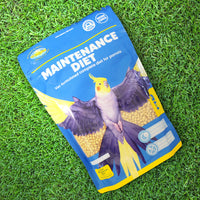
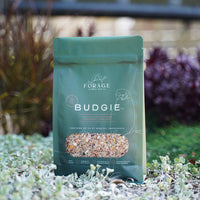
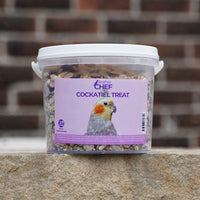
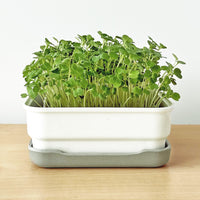
Species-specific seed blend, pellets, fresh veg, sprouts

Care Level

Beginner to intermediate

Care Notes

Common Feeding Mistakes
Relying on an all-seed diet is the most common mistake. It is high in fat and low in the nutrients a cockatiel needs, and over time it leads to obesity and fatty liver disease. Build the diet on quality pellets and fresh vegetables, keep seed as a smaller part, and always have fresh water available.
Habitat Requirements
Give the largest cage you can, and remember length matters more than height because cockatiels fly horizontally. Keep bar spacing under about 1.2 cm, offer a few perch widths in natural wood to protect the feet, and place the cage out of draughts and direct sun.
Handling & Socialisation
Cockatiels are social and do best with daily interaction. Handle young birds gently to build trust, and aim for a few hours of supervised out-of-cage time each day. Avoid sudden noise and quick movements, which can startle them.