
Feeding and Diet

What to Feed a Cockatiel: A Complete Diet Guide

By Russell Neale, Founder, Seed Cube 4 min read

TL;DR

  • Build a cockatiel's diet on pellets, not seed
  • Offer fresh vegetables daily, with only a little fruit
  • Keep seed and spray millet to a measured treat
  • Provide a cuttlebone for calcium, especially for hens
  • Never feed avocado, onion, chocolate or caffeine, and watch your bird's weight

Quick answer

Feed a cockatiel a base of formulated pellets, fresh vegetables every day, and only a small, measured amount of seed and spray millet. Provide a cuttlebone for calcium. An all-seed diet is the main cause of obesity and fatty liver in cockatiels, so keep seed as a treat, not the meal.
What to Feed a Cockatiel: A Complete Diet Guide
Pellets, fresh greens and measured seed keep cockatiels lean and healthy.

The short answer on feeding a cockatiel

A healthy cockatiel diet is built on formulated pellets, topped up with fresh vegetables, a little fruit, and only a small amount of seed. As a rough guide, aim for pellets to make up about 60 to 70 per cent of the diet, fresh vegetables and a little fruit around 20 to 30 per cent, and keep seed and millet to no more than about 10 per cent.

Cockatiels are small, seed-loving birds that will happily overeat seed if you let them, so the whole game is variety and portion control.

Why an all-seed diet is the biggest risk

Cockatiels are one of the species most prone to obesity and fatty liver disease, and a seed-only diet is the usual cause. Seed is high in fat and low in vitamins, minerals and calcium, so a cockatiel that fills up on seed slowly becomes overweight and undernourished at the same time.

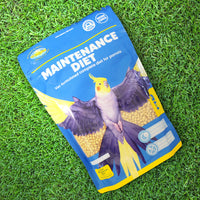
Formulated pellets fix this by giving a complete, balanced diet in every bite. Make pellets the base and treat seed as a topping. If your bird is on seed now, switch across gradually; our guide on bird pellets versus seed walks through how.

Fresh vegetables and greens to offer

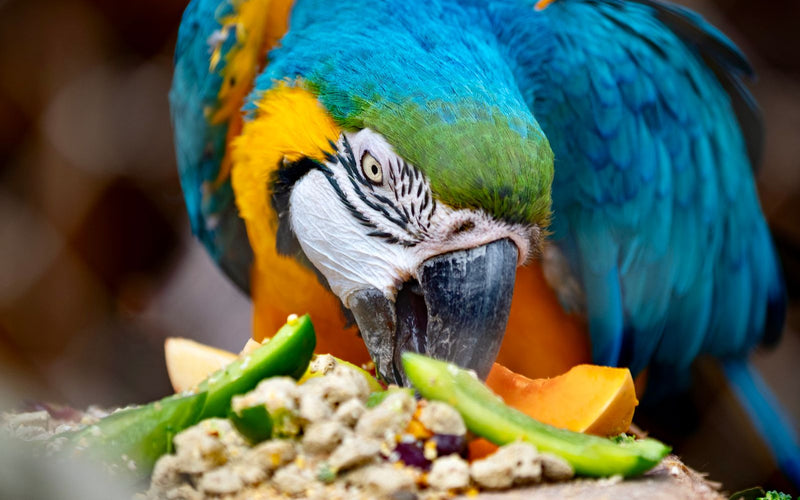
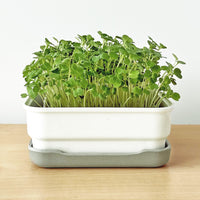
Fresh vegetables should be offered daily. Cockatiels do well on dark leafy greens like silverbeet, kale and bok choy, plus carrot, capsicum, broccoli, peas, corn, squash and cooked sweet potato. Grated or finely chopped works best for a small beak.

Fruit can be offered in small amounts as a treat, for example apple without seeds, berries, or a little banana or melon. Keep fruit to a minor part of the diet because of the sugar, and remove fresh food before it spoils.

Seed and spray millet: treats, not the meal

Cockatiels love seed and adore spray millet, but both are fatty and easy to overdo. A small measured amount of a good seed mix is fine as part of the diet, and a little spray millet makes a great reward or foraging treat.

The trick is to measure it rather than leave a full bowl out, because a cockatiel will pick out the fattiest seeds and skip everything else. Offer seed as a set portion, not an all-day buffet.

Calcium, cuttlebone and laying hens

Cockatiels need a reliable source of calcium, and a cuttlebone or mineral block clipped to the cage is the easy way to provide it. This matters even more for female cockatiels, which lay eggs readily even without a mate and can quickly run their calcium down.

If your hen is laying often, or you see any sign of weakness or a stuck egg, see an avian vet promptly. A pellet-based diet plus a cuttlebone covers most birds' calcium needs.

Foods that are toxic to cockatiels

Some foods should never be offered. Keep these away from your cockatiel entirely: avocado, onion, garlic, chocolate, caffeine, alcohol, and the seeds or pits of fruit like apples and cherries. Also avoid salty, fried and heavily processed human foods.

When in doubt, leave it out. If you think your bird has eaten something toxic, contact an avian vet straight away.

How much to feed and watching weight

Offer pellets as the constant base, a small serve of fresh vegetables each day, and a measured amount of seed. A healthy cockatiel usually weighs around 90 to 120 grams, and because the breed gains weight easily, a set of kitchen scales is one of the best tools you can own.

Weigh your bird now and then, and cut back seed and treats if the numbers creep up. Always keep clean, fresh water available and change it daily.

Common mistakes and cleaner feeding

The most common mistakes are feeding only seed, leaving spray millet out all day, skipping vegetables, and offering grit, which cockatiels do not need and which can cause harm. Build the diet on pellets and fresh food, keep seed and millet measured, and provide a cuttlebone for calcium.

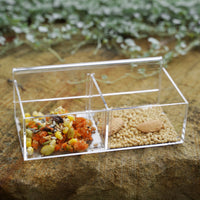
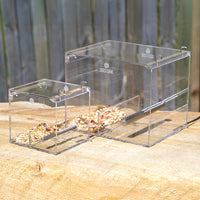
Cockatiels are also enthusiastic scatterers of seed and husks, so an enclosed feeder keeps the mess contained and makes it easy to see what your bird is actually eating. See the no-mess cockatiel feeder for how we do it.

Key facts

  • 60 to 70%

    of the diet should be formulated pellets

  • 20 to 30%

    fresh vegetables and a little fruit

  • Under 10%

    seed and spray millet

  • 90 to 120 g

    healthy adult cockatiel weight

  • 15 to 25 yrs

    lifespan of a well cared for cockatiel

  • Daily

    fresh water and fresh vegetables

Aussie madeForage Gourmet Seed - Cockatiel Specialty Blend-Bird Seed-Seed Cube

Get the seed portion right

Forage Gourmet Seed - Cockatiel Specialty Blend

$15.99

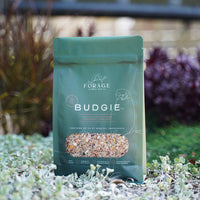
The Forage Gourmet Cockatiel blend is a specialty seed mix made for cockatiels, ideal as the measured seed portion of a pellet-based diet.

Shop the cockatiel blend
Forage Gourmet Seed - Cockatiel Specialty Blend-Bird Seed-Seed Cube
Forage Gourmet Seed - Cockatiel Specialty Blend $15.99
Shop the cockatiel blend

Frequently asked questions

Can cockatiels eat spray millet?

Yes, but only as a treat. Spray millet is loved by cockatiels and useful for training or foraging, but it is fatty, so offer a little rather than leaving it out all day.

How much should I feed my cockatiel each day?

Offer pellets as a constant base, a small daily serve of fresh vegetables, and a measured amount of seed. Watch your bird's weight, since cockatiels gain weight easily.

Are pellets necessary for cockatiels?

Pellets are the safest base because they give a complete diet in every bite. An all-seed diet is the main cause of obesity and fatty liver disease in cockatiels, so pellets plus fresh food is far healthier.

What vegetables and fruit can cockatiels eat?

Good choices include leafy greens, carrot, capsicum, broccoli, peas, squash and cooked sweet potato, plus small amounts of apple without seeds, berries or banana. Offer more vegetables than fruit.

What foods are toxic to cockatiels?

Never feed avocado, onion, garlic, chocolate, caffeine, alcohol, or the seeds and pits of fruit like apples and cherries. Also avoid salty, fried and processed foods.

Do cockatiels need a cuttlebone?

Yes. A cuttlebone or mineral block is an easy source of calcium, which is especially important for female cockatiels that lay eggs. Keep one clipped to the cage.

How do I get my cockatiel off an all-seed diet?

Switch gradually over a few weeks. Mix a little pellet into the seed and slowly increase the pellet share, offering pellets when your bird is hungriest. If it stops eating, slow down and check with an avian vet.

Do cockatiels need grit?

No. Cockatiels shell their seed before eating and do not need grit. Offering grit can actually cause problems, so skip it and provide a cuttlebone for minerals instead.

Sources

  1. The Unusual Pet VetsAvian care and nutrition guidance
  2. Lafeber CompanyAvian nutrition reference
  3. Australian Veterinary AssociationCompanion bird health guidance

About the author

Russell Neale
Founder, Seed Cube

Russell Neale is the founder of Seed Cube, a bird-feeding brand he started in 2024 in the Hills District of NSW. A long-time bird owner himself, with three birds including a 12-year-old hand-raised Alexandrine, Russell built Seed Cube after years of frustration with messy, flimsy and poorly designed feeders.

Seed Cube makes practical, durable products that keep feeding cleaner, easier and safer for pet birds, and that are designed to last rather than end up in landfill. The brand works closely with Hills Wildlife Sanctuary, and everything it makes is BUILT FOR BIRDS™.

Cockatiels live longest on a varied, pellet-based diet with plenty of fresh vegetables and only a little seed. Keep spray millet as a treat, offer a cuttlebone for calcium, avoid the toxic foods, and keep an eye on your bird's weight. If your cockatiel is stuck on seed, or you notice any change in weight, appetite or droppings, an avian vet can help you get back on track.

See the no-mess cockatiel feeder