






Macaw Care and Feeding
Everything for a cleaner, healthier macaw setup, in one place.

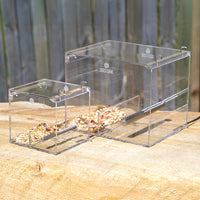
Which size suits a macaw?
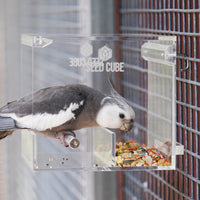
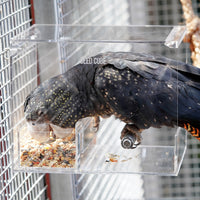
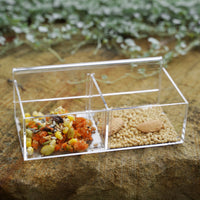
See how the Small and Large Seed Cube match each bird and cage.
Check the size guide

What to feed a macaw
The complete macaw diet guide: pellets, fresh food, treats and what to avoid.
Read the diet guide
Behavioral Profile
Mess Potential
High
Low
High
Vocalization Level
Very high
Quiet
Loud
Species Specifications
Size
76 to 86 cm long, including the tail
Weight
900 to 1300 g
Feather Type
Sleek, low-dust feathers
Lifespan
30 to 50 years
Temperament
Intelligent, social, affectionate and loud
Origins
Central and South America
Suitable Foods
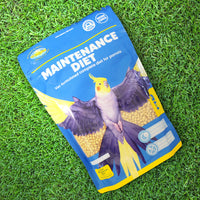
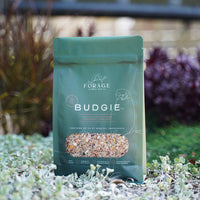
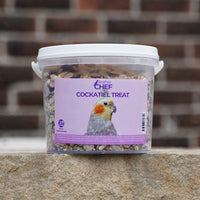
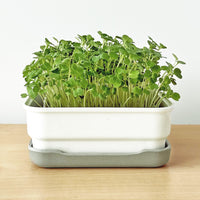
Formulated pellets as the base, plus daily fresh vegetables and some fruit, with nuts and seed as limited treats
Care Level
Advanced
Care Notes
Common Feeding Mistakes
The biggest mistake is a diet built on seed or nuts. Both are high in fat and low in vitamins, so a macaw fed mostly on them can develop obesity, fatty liver disease, and vitamin A deficiency. Make formulated pellets the base of the diet, offer fresh vegetables and a little fruit each day, and keep nuts as an occasional treat rather than a staple.
Habitat Requirements
Macaws are big, active birds that need the largest cage or aviary you can provide, with room to fully stretch and flap. Give them sturdy perches of varying diameter, plenty of tough chew toys and foraging enrichment, and daily time out of the cage. Keep the cage out of draughts and harsh afternoon sun.
Handling & Socialisation
Macaws bond strongly and need consistent, gentle daily interaction to stay tame and confident. Start handling early, keep sessions short and positive, and set clear boundaries to head off biting and dominance. A bored or lonely macaw may scream or pluck, so social time and mental stimulation are essential, not optional.