
Feeding and Diet

What to Feed a Macaw: A Complete Diet Guide

By Russell Neale, Founder, Seed Cube 5 min read

TL;DR

  • Build a macaw's diet on formulated pellets, not seed
  • Add fresh vegetables daily with some fruit, about three parts veg to one part fruit
  • Keep nuts and seed as small treats, not the main meal
  • Never feed avocado, onion, garlic, chocolate or caffeine
  • Watch weight and see an avian vet if appetite or droppings change

Quick answer

Feed a macaw a base of formulated pellets, plenty of fresh vegetables with a little fruit each day, and keep nuts and seed as treats. Pellets should make up most of the diet, fresh food a good portion, and treats only a small share. Never feed avocado, onion, chocolate or caffeine.
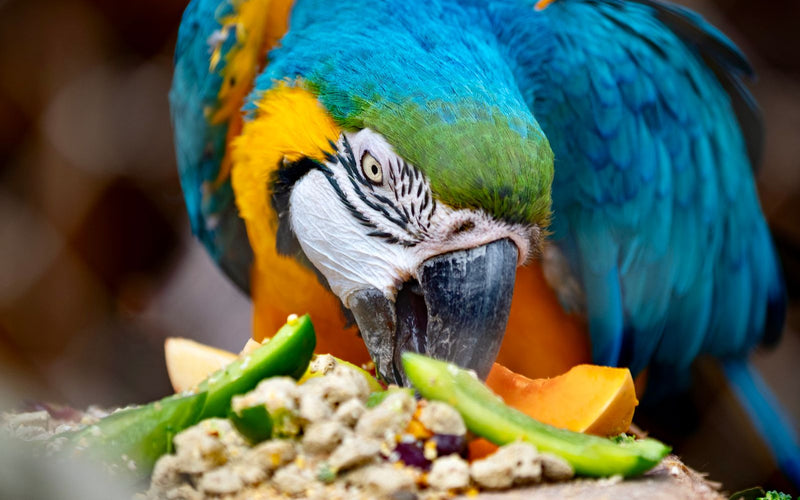
A macaw feeding, part of a healthy varied diet
A varied, pellet-based diet keeps macaws healthy and active.

The short answer on feeding a macaw

A healthy macaw diet is built on formulated pellets, with plenty of fresh vegetables, a little fruit, and nuts and seed kept as treats. As a rough guide, aim for pellets to make up about 60 to 75 per cent of the diet, fresh vegetables and some fruit around 25 to 40 per cent, and keep seed and nuts to a small share on top.

Macaws are big, intelligent parrots that evolved to eat a wide range of foods, so variety matters. Offer several different fresh foods across the week rather than the same thing every day.

Pellets should be the base, not seed

An all-seed diet is the most common cause of illness in pet macaws. Seed is high in fat and low in vitamins and minerals, especially vitamin A and calcium, so a macaw living on seed can slowly develop obesity, fatty liver disease and a weakened immune system.

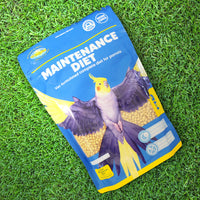
Formulated pellets are made to give a complete, consistent balance in every bite, so they make the safest base for the diet. If your macaw is on seed now, switch gradually over a few weeks by mixing pellets in and slowly shifting the ratio. For the full method, see our guide on bird pellets versus seed.

Fresh vegetables and fruit to offer

Fresh produce should be a daily part of the diet. Good vegetables for macaws include pumpkin, sweet potato, carrot, capsicum, broccoli, peas, corn and dark leafy greens like silverbeet and bok choy. Offer fruit in smaller amounts because of the sugar, for example apple with no seeds, banana, berries, mango and passionfruit.

Aim for roughly three parts vegetables to one part fruit, and try to serve at least five different fresh foods regularly, ideally ten or more. Chop everything into beak-sized pieces and remove anything uneaten before it spoils.

Nuts and seeds: treats, not the main meal

Macaws naturally eat more nuts than smaller parrots and do need some fat in the diet, so a few nuts a day are fine and make excellent training and foraging rewards. In-shell nuts like almonds, walnuts and macadamias also give that powerful beak a job to do.

The catch is portion size. Pet macaws are far less active than wild ones, so too many nuts, or too much sunflower and safflower seed, quickly leads to weight gain. Treat nuts and seed as a topping, not the meal.

Foods that are toxic to macaws

Some foods are genuinely dangerous and should never be offered. Keep these away from your macaw entirely: avocado, onion, garlic, chocolate, caffeine, alcohol, and the seeds or pits of apples, cherries, apricots and similar fruit.

Also skip salty, fried or heavily processed human foods. Lettuce and celery are not toxic but are mostly water and offer little, so use that space for more nutritious vegetables instead.

How much and how often to feed

Feed a macaw twice a day in most homes. Offer pellets as the constant base, put out fresh vegetables and fruit in the morning, and remove fresh food after a few hours in warm weather so it does not spoil. Always provide clean, fresh water and change it daily.

Exact amounts vary with the individual bird, so watch your macaw's weight and body condition rather than a fixed cup measure. A vet check or a set of kitchen scales is the best way to catch weight gain early.

Common macaw feeding mistakes

The biggest mistakes are feeding mostly seed or nuts, changing the diet suddenly, and leaving fresh food sitting until it spoils. Others include relying on sunflower seed as the main food, offering human table scraps, and assuming a quiet bird is a healthy one.

Build the diet on pellets and fresh food, make changes gradually, and keep treats small. If your macaw refuses new foods, keep offering them in different forms; birds often need to see a food many times before they try it.

Keep feeding clean and enriching

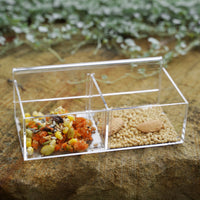
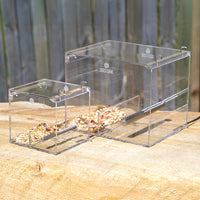
Macaws are messy, deliberate eaters that flick and sort food as they go, so feeding can turn a cage and the room around it into a mess fast. An enclosed feeder keeps husks, pellet dust and dropped fruit contained, which also makes it easier to see what your bird is actually eating.

That matters, because a drop in appetite or a change in droppings is often the first sign a macaw is unwell. Serving fresh food in a contained tray, and using foraging toys to make your bird work for treats, keeps mealtimes cleaner and more stimulating. See the no-mess macaw feeder for how we do it.

Key facts

  • 60 to 75%

    of the diet should be formulated pellets

  • 25 to 40%

    fresh vegetables and some fruit

  • 10+

    fresh food varieties is the ideal to aim for

  • 30 to 50 yrs

    lifespan of a well cared for macaw

  • Zero

    safe amount of avocado, chocolate, onion or caffeine

  • Daily

    fresh, clean water changed every day

Aussie madeForage Gourmet Seed - Macaw, African Grey & Amazon Specialty Blend-Bird Seed-Seed Cube

Get the base right

Forage Gourmet Seed - Macaw, African Grey & Amazon Specialty Blend

$15.99

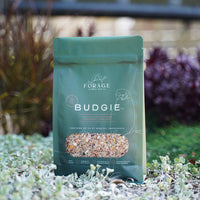
The Forage Gourmet Macaw, African Grey and Amazon blend is a specialty seed mix made for large parrots, ideal as the seed portion of a varied, pellet-based diet.

Shop the macaw blend
Forage Gourmet Seed - Macaw, African Grey & Amazon Specialty Blend-Bird Seed-Seed Cube
Forage Gourmet Seed - Macaw, African Grey & Amazon Specialty Blend $15.99
Shop the macaw blend

Frequently asked questions

Can macaws eat nuts?

Yes. Macaws need some fat and enjoy nuts, so a few a day are fine and make great training and foraging treats. Keep the portion small, because too many nuts lead to weight gain in a pet macaw.

How much should I feed my macaw each day?

Offer pellets as a constant base plus a serve of fresh vegetables and a little fruit each day. Exact amounts depend on the bird, so watch your macaw's weight and body condition rather than a fixed measure.

Are pellets really necessary for macaws?

Pellets are the safest base because they give a complete, balanced diet in every bite. A macaw can live on seed and fresh food, but it is much harder to avoid the vitamin and mineral gaps that make seed-fed birds sick.

What vegetables and fruit can macaws eat?

Good options include pumpkin, sweet potato, carrot, capsicum, broccoli, peas and leafy greens, plus smaller amounts of apple without seeds, banana, berries and mango. Offer more vegetables than fruit.

What foods are toxic to macaws?

Never feed avocado, onion, garlic, chocolate, caffeine, alcohol, or the seeds and pits of fruit like apples and cherries. Also avoid salty, fried and processed foods.

Can macaws eat sunflower seeds?

In small amounts, yes, but sunflower and safflower seed are very high in fat. Use them as an occasional treat, not the main food, or your macaw will gain weight.

Do macaws need vitamin or calcium supplements?

A macaw on a good pellet-based diet usually does not need extra supplements, and over-supplementing can cause harm. Ask an avian vet before adding anything.

How do I switch my macaw from seed to pellets?

Go slowly over a few weeks. Mix a little pellet into the seed and gradually increase the pellet share, offering pellets at the hungriest time of day. If your bird stops eating, slow down and check with an avian vet.

Sources

  1. The Unusual Pet VetsAvian care and nutrition guidance
  2. Lafeber CompanyAvian nutrition reference
  3. Australian Veterinary AssociationCompanion bird health guidance

About the author

Russell Neale
Founder, Seed Cube

Russell Neale is the founder of Seed Cube, a bird-feeding brand he started in 2024 in the Hills District of NSW. A long-time bird owner himself, with three birds including a 12-year-old hand-raised Alexandrine, Russell built Seed Cube after years of frustration with messy, flimsy and poorly designed feeders.

Seed Cube makes practical, durable products that keep feeding cleaner, easier and safer for pet birds, and that are designed to last rather than end up in landfill. The brand works closely with Hills Wildlife Sanctuary, and everything it makes is BUILT FOR BIRDS™.

A healthy macaw is built in the food bowl. Make pellets the base, serve a wide range of fresh vegetables with a little fruit, keep nuts and seed as treats, and steer clear of the toxic foods. Do that consistently and you give your macaw the best shot at a long, bright life. If you are unsure about your bird's diet, or notice any change in weight, appetite or droppings, check in with an avian vet.

See the no-mess macaw feeder