



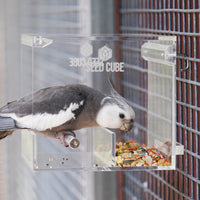
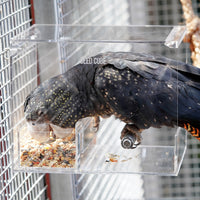

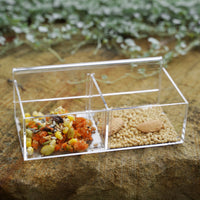
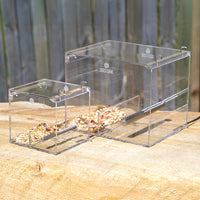

Quaker Parrot Care and Feeding
Diet, housing, health and the right no-mess feeder for your Quaker parrot.


What to feed a Quaker
A complete Quaker parrot diet guide, from pellets to fresh food.
Read the diet guide
Behavioral Profile
Mess Potential
High
Low
High
Vocalization Level
High
Quiet
Loud
Species Specifications
Size
About 28 to 30 cm long
Weight
90 to 120 g
Feather Type
Low-dust green plumage, not a powder-down species
Lifespan
Commonly 20 to 30 years with good care
Temperament
Bold, social, playful and a strong talker for its size
Origins
Native to temperate South America
Suitable Foods
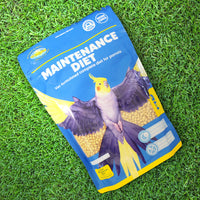
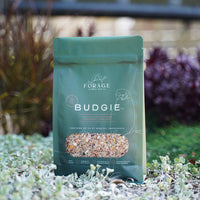
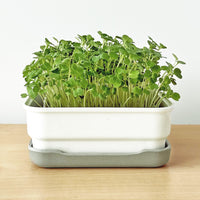
Formulated pellets as the base, daily fresh vegetables and leafy greens, small amounts of quality seed, with a little fruit as an occasional treat
Care Level
Intermediate
Care Notes
Common Feeding Mistakes
The biggest Quaker mistake is a seed-only or high-fat diet. Quaker parrots are among the parrots most prone to obesity, fatty liver disease and high cholesterol, and sunflower seed, millet sprays and human snacks like bread and crackers are the main culprits. Build the diet on formulated pellets and fresh vegetables, keep seed to a small daily topping, and never offer avocado, chocolate, caffeine or salty food. Weigh your bird regularly so you catch weight gain early.
Habitat Requirements
Quakers are busy, intelligent birds and avid nest builders, so give them the largest cage you can with room to climb and forage, plus safe branches and shreddable toys for their building instinct. They need several hours out of the cage each day and plenty of social contact. Keep the cage out of draughts and harsh afternoon sun, and rotate foraging toys to keep their active minds occupied.
Handling & Socialisation
Quakers bond hard with their people and thrive on gentle, consistent daily interaction. Start handling early, keep sessions short and positive, and set clear, kind boundaries, because a hormonal or under-stimulated Quaker can become nippy or territorial around its cage. They are clever talkers and enjoy learning words and simple tricks. Out-of-cage time, training and enrichment are essential, not optional.