
Feeding and Diet

What to Feed a Quaker Parrot: A Complete Diet Guide

By Russell Neale, Founder, Seed Cube 4 min read

TL;DR

  • Feed 60 to 80% pellets, 20 to 30% fresh vegetables, and only 10 to 15% seed.
  • Quakers are highly prone to obesity and fatty liver, so fat control is the priority.
  • Never feed avocado, chocolate, caffeine, alcohol, onion, garlic or salty food.
  • Switch seed-addicted birds to pellets slowly over two to four weeks.

Quick answer

Feed a Quaker parrot a diet of about 60 to 80 percent formulated pellets, 20 to 30 percent fresh vegetables and leafy greens, and only a small 10 to 15 percent topping of seed, with fruit as an occasional treat. Because Quakers are prone to obesity and fatty liver disease, keep fatty foods like sunflower seed to a minimum and avoid avocado, chocolate, caffeine and salty human food entirely.
What to Feed a Quaker Parrot: A Complete Diet Guide
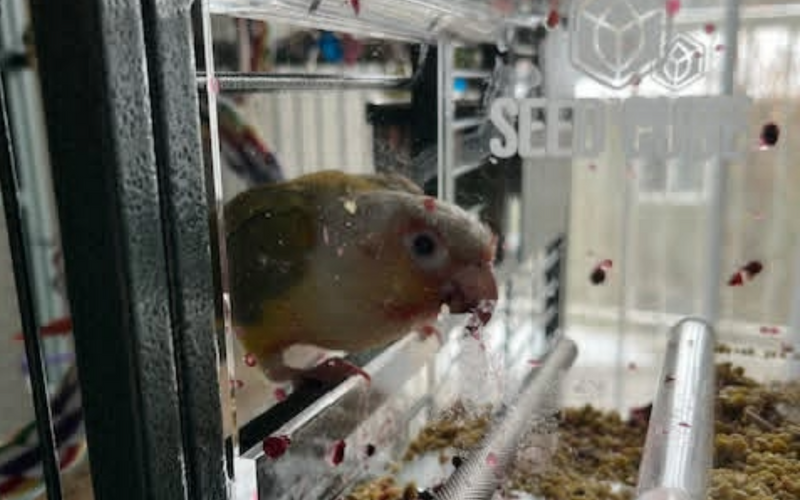
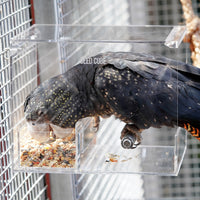
A Quaker parrot feeding from a no-mess Seed Cube feeder.

The short answer: what to feed a Quaker parrot

Feed a Quaker parrot a diet built on formulated pellets, with plenty of fresh vegetables and only a small amount of seed. A good daily split is roughly 60 to 80 percent pellets, 20 to 30 percent fresh vegetables and leafy greens, and seed kept to a small topping of around 10 to 15 percent. Fruit is an occasional treat, not a staple.

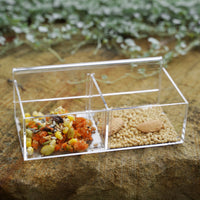
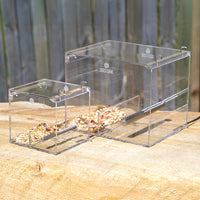
The single most important thing to get right is fat. Quakers are one of the parrots most prone to obesity and fatty liver disease, so a pellet-based diet is not optional, it is the key to a long life. Offer food in a no-mess Seed Cube feeder to cut waste and slow fast eating, and see our full Quaker parrot care guide for housing and health.

Why diet matters more for Quakers than most parrots

Quaker parrots handle fat and cholesterol poorly. On a seed-heavy diet they readily develop obesity, hepatic lipidosis (fatty liver disease), high blood cholesterol and atherosclerosis, the same artery disease that affects people. This is so consistent that avian researchers use Quaker parrots as a study model for diet-induced atherosclerosis, producing advanced artery lesions in just a few months on a high-fat, high-cholesterol diet.

The main culprits are sunflower seed, millet sprays and human snacks like bread, crackers and chips. None of these belong in the daily bowl. Build the diet on pellets and vegetables and you remove the biggest health risk a Quaker faces.

Pellets: the foundation of a Quaker diet

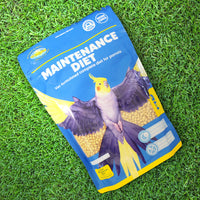
Formulated pellets should make up 60 to 80 percent of what your Quaker eats. Unlike seed, a quality pellet is nutritionally complete, so your bird cannot pick out its favourite fatty pieces and leave the rest. Choose a small or mini pellet sized for a parrot this size, such as an Australian formulated brand like Vetafarm Nutriblend. Offer a measured amount each morning rather than keeping the bowl endlessly topped up.

Fresh vegetables and leafy greens

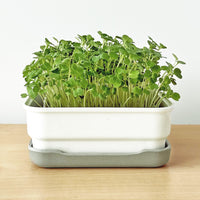
Vegetables and greens should make up 20 to 30 percent of the diet and can be offered every day. Dark leafy greens and orange vegetables give the most nutrition: kale, silverbeet, bok choy, spinach in moderation, broccoli, carrot, capsicum, snow peas, green beans, corn, sweet potato and fresh herbs. Chop them small, offer them fresh, and remove anything uneaten within a few hours so it cannot spoil.

Seed, fruit and treats in moderation

Seed is not banned, it is just a topping. Keep quality seed to around 10 to 15 percent of the diet and treat it as enrichment rather than the main meal. Sprouted or soaked seed is a healthier option because sprouting lowers the fat and adds live nutrients. Fruit is high in sugar, so offer small pieces of apple, berries, pear or melon a few times a week, not daily.

Foods to avoid

Some foods are dangerous to Quakers and should never be offered: avocado, chocolate, caffeine, alcohol, onion and garlic, and anything salty, fatty or heavily processed. Avocado is toxic to birds across the board. Also skip fruit pips and apple seeds, which contain trace cyanide compounds.

How to switch a Quaker from seed to pellets

Seed-addicted adult Quakers can be stubborn to convert, so go slowly. Mix a small amount of pellet into the seed and gradually shift the ratio over two to four weeks. Offer pellets first thing in the morning when your bird is hungriest, warm or lightly dampen them to make them appealing, and let your Quaker watch you eat similar food. Weigh your bird weekly on kitchen scales so you can confirm it is still eating during the change, and involve an avian vet if it loses weight or refuses food.

Is it legal to keep a Quaker parrot in Australia?

Before you bring one home, check your state rules. Quaker parrots (monk parakeets) are a declared high-risk species in Australia because escaped birds can establish as an agricultural pest. They are strictly prohibited in Western Australia. In other states they are commonly kept, but owners carry a general biosecurity obligation to house them securely and prevent escape. Rules vary by state and can change, so confirm the current requirements with your state agriculture or biosecurity authority before buying.

Key facts

  • 60 to 80%

    Share of the diet that should be pellets

  • 10 to 15%

    Keep seed to this small share

  • 90 to 120 g

    Healthy Quaker parrot weight

  • 20 to 30 yrs

    Lifespan with a good diet

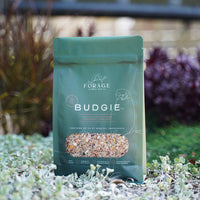
Seed Cube pickForage Gourmet Seed - Conure & Quaker Specialty Blend-Bird Seed-Seed Cube

Controlled seed, done right

Forage Gourmet Seed - Conure & Quaker Specialty Blend

$15.99

Forage Gourmet Conure and Quaker blend is a balanced seed and treat mix designed as the small topping layer of a healthy Quaker diet, so your bird gets the foraging it loves without the fat overload.

Shop the Quaker blend
Forage Gourmet Seed - Conure & Quaker Specialty Blend-Bird Seed-Seed Cube
Forage Gourmet Seed - Conure & Quaker Specialty Blend $15.99
Shop the Quaker blend

Frequently asked questions

What should I feed my Quaker parrot?

Feed formulated pellets as the base (60 to 80 percent), fresh vegetables and leafy greens daily (20 to 30 percent), and a small topping of quality seed (about 10 to 15 percent), with fruit as an occasional treat. Keep fatty foods to a minimum, because Quakers gain weight and develop fatty liver easily.

How much should a Quaker parrot eat each day?

A rough guide is about one to two level tablespoons of pellets plus a similar volume of chopped fresh vegetables each day, adjusted to your bird. Offer a measured amount rather than a constantly full bowl, and weigh your Quaker regularly to keep it in a healthy range of around 90 to 120 grams.

Can Quaker parrots eat seeds?

Yes, but only in small amounts. Seed should be a topping of around 10 to 15 percent of the diet, not the main meal. A seed-only diet is the leading cause of obesity and fatty liver disease in Quakers. Sprouted seed is a healthier way to offer it.

What fruits and vegetables can Quaker parrots eat?

Good vegetables include kale, silverbeet, bok choy, broccoli, carrot, capsicum, snow peas, green beans, corn and sweet potato. Safe fruits in small amounts include apple without seeds, berries, pear and melon. Offer vegetables daily and fruit only a few times a week because of the sugar.

What foods are toxic to Quaker parrots?

Never feed avocado, chocolate, caffeine, alcohol, onion, garlic, or salty and fatty human foods. Avocado is toxic to all birds. Apple seeds and fruit pips should also be removed, as they contain trace cyanide compounds.

Why are Quaker parrots so prone to fatty liver disease?

Quakers metabolise fat and cholesterol poorly, so a high-fat, seed-heavy diet quickly leads to obesity, hepatic lipidosis (fatty liver) and high cholesterol. They are so susceptible that vets use them as a research model for diet-related artery disease. A pellet-based, low-fat diet is the main way to prevent it.

How do I switch my Quaker from seeds to pellets?

Convert gradually over two to four weeks by mixing pellets into the seed and slowly increasing the pellet share. Offer pellets when your bird is hungriest in the morning, make them appealing by warming or lightly dampening, and weigh your Quaker weekly. See an avian vet if your bird loses weight or refuses to eat.

Are Quaker parrots legal to keep in Australia?

It depends on your state. Quaker parrots are strictly prohibited in Western Australia and are treated as a high-risk pest species nationally. In other states they are commonly kept, but you must house them securely under a general biosecurity obligation to prevent escape. Always check current rules with your state biosecurity authority before buying.

Sources

  1. VCA Animal Hospitals - Feeding Quaker or Monk ParakeetsVeterinary guidance on Quaker diet proportions and converting birds to pellets.
  2. LafeberVet - Avian nutrition and pelleted dietsAvian nutrition reference on pellet-based feeding and fresh foods for parrots.
  3. Beaufrere et al. 2022, Veterinary Clinical Pathology - plasma lipids in Quaker parrotsPeer-reviewed study on cholesterol and lipoproteins in Quaker parrots fed high-fat diets.
  4. Agriculture Victoria - Monk parakeet (exotic pest animal)Australian government reference on monk parakeet pest status and secure containment.

About the author

Russell Neale
Founder, Seed Cube

Russell Neale is the founder of Seed Cube, a bird-feeding brand he started in 2024 in the Hills District of NSW. A long-time bird owner himself, with three birds including a 12-year-old hand-raised Alexandrine, Russell built Seed Cube after years of frustration with messy, flimsy and poorly designed feeders.

Seed Cube makes practical, durable products that keep feeding cleaner, easier and safer for pet birds, and that are designed to last rather than end up in landfill. The brand works closely with Hills Wildlife Sanctuary, and everything it makes is BUILT FOR BIRDS™.

Get the fat right and most Quaker health problems take care of themselves. Build the daily diet on pellets and fresh vegetables, keep seed as a small foraging treat, avoid the toxic foods, and weigh your bird so you catch trouble early. A no-mess Seed Cube feeder makes portion control and clean feeding easier, and our Quaker parrot care guide covers housing, health and handling.

See the Quaker Seed Cube feeder