
Feeding & Diet

Bird Pellets vs Seed: What to Feed Your Bird (and How to Switch)

By Russell Neale, Founder, Seed Cube 7 min read

TL;DR

  • Neither seed nor pellets alone is a complete diet; the best diet uses both plus fresh foods.
  • Pellets give a balanced base in every bite, so birds cannot pick out favourites and miss nutrients.
  • Seed alone is high in fat and short on vitamin A, D3, E, K and calcium, which leads to selective feeding and deficiencies.
  • Most avian vets put pellets at roughly 50 to 70 percent of the diet, with seed and fresh foods making up the rest.
  • Switch gradually over weeks to months, never by starving, and watch weight and droppings.

Quick answer

Neither seed nor pellets alone is the perfect diet for a pet bird. Pellets give balanced, consistent nutrition in every bite and stop birds picking out their favourites, which is why most avian vets recommend them as the base of the diet, often around 50 to 70 percent. Seed is natural and great for foraging, but it is high in fat and low in vitamins A, D3, E and K and calcium, so on its own it leads to selective feeding and deficiencies over time. The healthiest approach is a pelleted base, a quality seed blend for variety, and fresh foods such as leafy greens and vegetables, switched across gradually. Never feed avocado, chocolate, caffeine, onion, garlic or very salty foods, and ask an avian vet what suits your species.
Macaw eating a mix of fresh vegetables and pellets
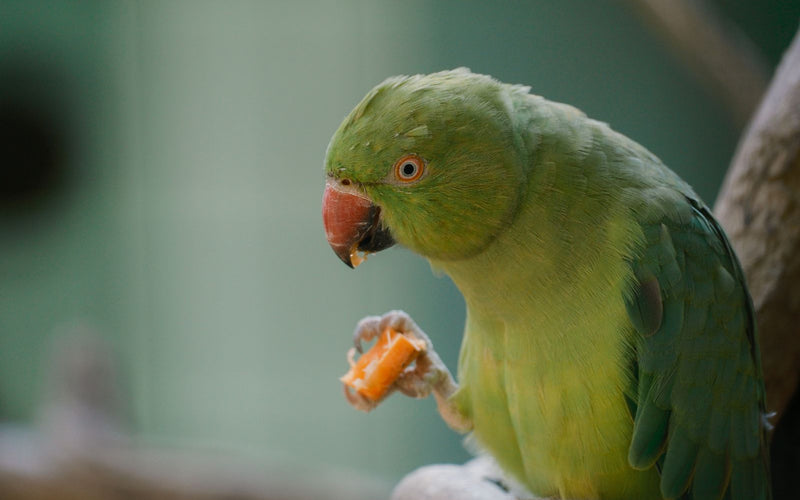
Seed or pellets? For most birds, the answer is both, plus fresh foods.

Bird pellets vs seed: the honest answer

The seed versus pellets debate gets framed as a fight with one winner. It is not. Pellets and seed do different jobs, and the healthiest diet uses both, with fresh food on top.

Here is the short version before the detail. Pellets are the base, because every pellet carries the same balanced nutrition and your bird cannot pick around it. Seed is the smaller, enjoyable part that keeps foraging natural. Fresh greens and vegetables fill the last gaps. Get those three in the right proportions and you avoid the problems vets see most often.

What a seed-only diet actually does

This is where the real risk sits, so it is worth being specific.

Seed is high in fat and low in several nutrients a bird needs every day. According to Lafeber, commercial seed mixes lack the normal complement of vitamins A, D3, E and K, some amino acids, calcium and other minerals. Over months and years that shows up as fatty liver disease, vitamin A deficiency, weak bones and poor feather quality. Vitamin A deficiency alone is linked to dry, scaly skin and bumblefoot, and it is common in birds kept on seed alone.

The fat load is easy to underestimate. The RSPCA notes that sunflower seed is around 49 percent fat, roughly three times the fat of an average chocolate bar. A bird that fills up on sunflower and millet is eating the equivalent of a daily fast-food diet, and it will leave the pellets and vegetables it actually needs.

There is a behaviour problem too. Given a loose mix, most birds become selective feeders. They crack the fatty favourites and ignore the rest, so even a fortified seed mix does not deliver its nutrition if the bird only eats part of it.

What pellets do well, and where they fall short

Strengths. Each pellet is the same balanced blend, so there is nothing to pick around. That makes pellets the most reliable way to give complete nutrition in every mouthful, and the single most effective fix for the deficiencies seed-only diets cause. Birds on a good pelleted base generally live longer and have fewer diet-related health problems.

Limits. Pellets are less fun than cracking a seed. Some birds, especially adult seed addicts, resist them at first. Quality also varies between brands, so choose a reputable pellet formulated for your bird's size. Pellets are the foundation of a good diet, not the whole building.

What a good seed blend still adds

Seed earns its place, it just should not run the show.

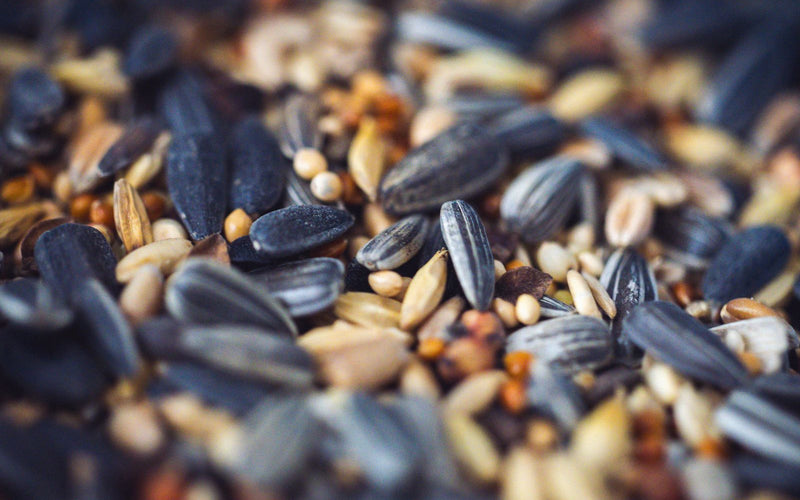
In the wild, parrots forage, crack and select, and that instinct does not switch off in a cage. A quality seed blend gives birds something to work for, which keeps them active and calmer. The key word is quality: a human-grade blend without cheap fillers, ideally matched to your species, so your bird is eating variety rather than a tub of sunflower.

Used as a complement, seed adds enrichment and palatability that pellets cannot. Used as the whole diet, it causes the problems above. That is the whole distinction. You can browse species-specific blends in the Forage Gourmet Seed collection.

The balanced diet vets actually recommend

Put the three parts together and each one covers the others' weak spots.

  • Pellets as the balanced base. Most avian vets land somewhere around 50 to 70 percent of the diet, though it varies by species and life stage.
  • A quality seed blend for variety and foraging, a smaller share than the pellets.
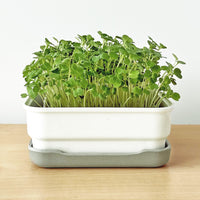
  • Fresh foods daily: leafy greens, vegetables, a little fruit, and home-grown microgreens for extra vitamins.

Exact proportions depend on the bird. A budgie, a cockatiel and a macaw do not eat the same ratios, and breeding or unwell birds have different needs again. Use these numbers as a starting point and let your avian vet fine-tune them. Keep fresh water available at all times and remove uneaten wet food daily so it cannot spoil.

Fresh foods, and what to never feed

Fresh food is the easiest win once the base is right. Good options include leafy greens like kale and silverbeet, plus capsicum, broccoli, carrot, peas and a little sweet potato. These add the vitamin A and calcium that seed lacks. Wash everything, chop it to size, and offer some every day.

Some foods are genuinely dangerous. Never feed avocado, chocolate, caffeine, alcohol, onion, garlic, or very salty or sugary foods, and remove the seeds and pips of apples and stone fruit, which contain small amounts of cyanide. Avocado is the one to be most careful with: the persin it contains can be fatal to a bird within a day or two. When in doubt, leave it out.

How to switch your bird to pellets without a hunger strike

Birds are neophobic, which is a polite way of saying they distrust new food. So go slowly, and never try to force the change by withholding food.

  1. Mix a small amount of pellets in with the usual seed.
  2. Increase the pellet share gradually. The RSPCA suggests reducing the seed a pinch at a time while the pellet and fresh-food portion grows.
  3. Offer pellets at the hungriest time of day, usually first thing in the morning.
  4. Watch weight and droppings closely to confirm your bird is actually eating the pellets, not just sweeping them aside.

Be patient. The Association of Avian Veterinarians notes that many birds take three to six months to fully convert, and that is normal. If your bird loses weight or stops eating during the switch, slow down and check in with an avian vet.

The feeding setup that makes a balanced diet stick

A good diet is easier to keep up when feeding is clean and you can see what your bird eats.

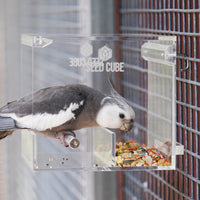
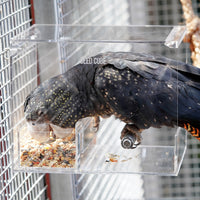
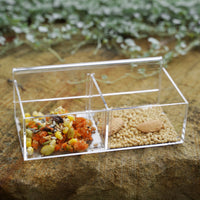
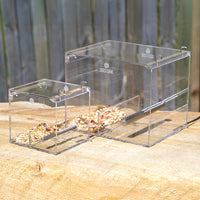
Loose seed and chopped veg get flicked across the cage, which wastes food and hides what is actually being eaten. An enclosed feeder keeps that mess contained and the cage floor clear, so you can read your bird's droppings, one of the earliest signs that something is off. When the base is right, the seed blend is doing its job as enrichment, and the setup lets you monitor it all, a balanced diet becomes the easy default rather than a daily battle.

Key facts

  • ~49% fat

    Sunflower seed

  • 50-70%

    Pellets, typical base

  • A, D3, E, K

    Vitamins seed lacks

  • 3-6 months

    Time to convert

  • Daily

    Fresh greens and veg

  • Never

    Avocado

The seed part, done rightForage Gourmet Seed - Cockatiel Specialty Blend-Bird Seed-Seed Cube

Forage Gourmet Seed

Forage Gourmet Seed - Cockatiel Specialty Blend

$15.99

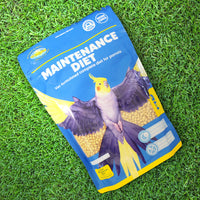
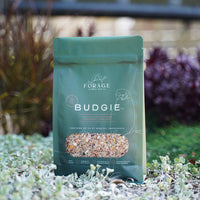
If seed is part of your bird's diet, make it count. Forage blends are hand-selected human-grade whole foods with no cheap fillers, in species-specific mixes from finches to macaws.

Shop Forage
Forage Gourmet Seed - Cockatiel Specialty Blend-Bird Seed-Seed Cube
Forage Gourmet Seed - Cockatiel Specialty Blend $15.99
Shop Forage

Frequently asked questions

Are pellets better than seed for birds?

Pellets give more balanced, consistent nutrition and most avian vets use them as the base of the diet. The best results come from a pellet base with a quality seed blend and fresh foods, not pellets alone.

Can birds live on seed alone?

Not well. Seed-only diets are high in fat and low in vitamins A, D3, E, K and calcium, and birds feed selectively, so deficiencies and fatty liver develop over time.

What percentage of a bird's diet should be pellets?

It varies by species, but many avian vets aim for roughly 50 to 70 percent pellets, with seed and fresh foods making up the rest. Ask your vet for your bird.

How do I get my bird to eat pellets?

Convert gradually. Mix pellets into the usual seed, increase the ratio over weeks, and offer them when your bird is hungriest. Conversion can take three to six months. Never starve a bird onto pellets.

Are seeds bad for birds?

No. Seed is natural and great for foraging. It is just incomplete on its own, so it works best as a smaller part of a varied diet.

What fresh foods should I add?

Leafy greens, many vegetables, small amounts of fruit and home-grown microgreens. Avoid avocado, onion, garlic, chocolate, caffeine and salty foods.

Sources

  1. RSPCA Australia Knowledgebase, What should I feed my birds?Australian welfare guidance. For your bird's specific diet, consult an avian vet.
  2. Lafeber Company, Why Are Pellets Better Than Seeds for Pet Birds?On vitamin A and selective feeding in seed-only diets.
  3. Association of Avian Veterinarians, Feeding BirdsOn safe pellet-conversion timeframes.

About the author

Russell Neale
Founder, Seed Cube

Russell Neale is the founder of Seed Cube, a bird-feeding brand he started in 2024 in the Hills District of NSW. A long-time bird owner himself, with three birds including a 12-year-old hand-raised Alexandrine, Russell built Seed Cube after years of frustration with messy, flimsy and poorly designed feeders.

Seed Cube makes practical, durable products that keep feeding cleaner, easier and safer for pet birds, and that are designed to last rather than end up in landfill. The brand works closely with Hills Wildlife Sanctuary, and everything it makes is BUILT FOR BIRDS™.

Seed versus pellets is the wrong fight. Pellets give a balanced base, quality seed adds variety and foraging, and fresh foods fill the gaps. Transition slowly, keep water fresh, avoid the toxic foods, and check with an avian vet for your species. That combination beats either one on its own.

Shop Forage