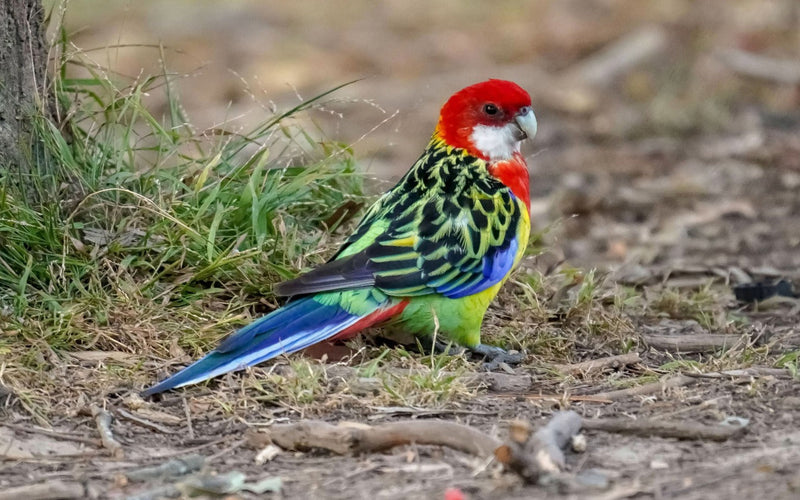
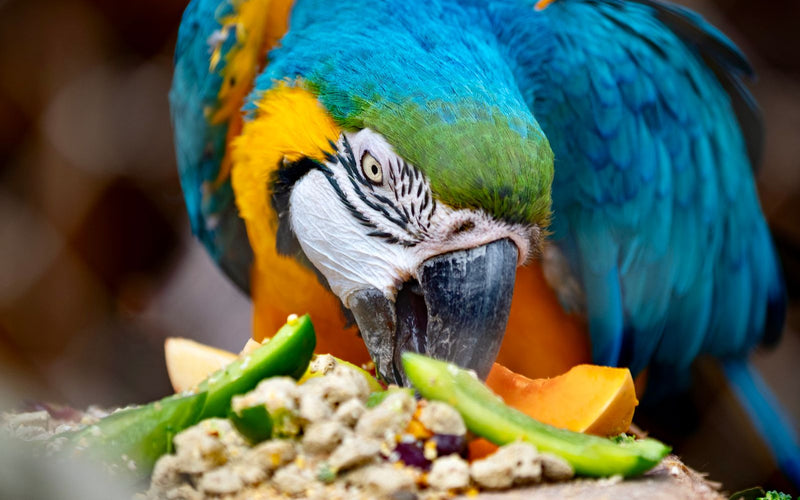
King parrots are wet-forest birds, not dry-inland grain eaters
Build the diet on formulated pellets, aiming for 80 per cent
Fresh vegetables daily, plus safe native browse and blossom
Keep seed measured, and feed high rather than on the cage floor
Quick answer
Feed an Australian king parrot a diet built on formulated pellets, with fresh vegetables and leafy greens every day, safe native browse from wattle, gum, bottlebrush and lilly pilly, and only a small measured serve of quality seed. Fruit belongs in the diet at roughly 7 to 15 per cent, more than a galah would get but still not the main meal. The part most guides get wrong is treating a king parrot like a budgie or a galah. Those are dry-inland birds built for low-fat grass seed. The king parrot is a rainforest and wet sclerophyll bird that forages in the canopy, so give it fruit and soft plant material, and feed it high rather than from a bowl on the cage floor.
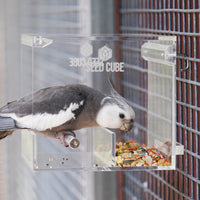
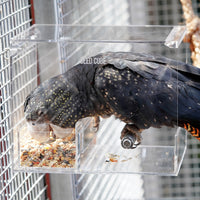
King parrots forage in the canopy in the wild, so the food belongs up high, not on the cage floor.
What to feed an Australian king parrot
Feed an Australian king parrot a diet built on formulated pellets, with fresh vegetables and leafy greens every day, safe native browse, and only a small measured serve of quality seed. Fruit belongs in the diet, but in modest amounts rather than as the main meal.
The part most guides skip is that a king parrot is not a dry-inland Australian parrot. It comes from wet forest, it eats up in the canopy, and copying the low-fat grain diet written for budgies and galahs gets both the food and the feeding position wrong.
Your king parrot is a rainforest bird, not a paddock bird
Search for Australian parrot diet advice and you land on the same page every time. Currumbin Valley Bird, Reptile and Exotic Veterinary Services sets it out clearly: cockatiels, galahs, corellas, sulphur-crested cockatoos and budgies come from dry, desert or semi-desert country, and their metabolism is geared to low fat diets. That advice is correct, and it is written for a completely different bird.
The Australian king parrot is not on that list. BirdLife Australia's Birds in Backyards records it in rainforest and wet sclerophyll forest along the east coast, from Cooktown in Queensland to Port Campbell in Victoria, mostly foraging in trees for seeds and fruit. Wet forest, up high, seed and fruit together. That is a different food supply to a paddock of grass seed, and a different feeding style to a bird that works the ground.
Two practical things follow. Fruit and soft plant material belong in a king parrot's diet in a way they do not for a galah. And a bowl on the cage floor is the wrong place to put the food, because this bird is built to eat above head height.
Pellets are the base of the diet
Make a quality formulated pellet the base. Pellets remove the bird's ability to pick out the fatty bits and leave the rest, which is the single biggest failure of a seed-only diet.
Currumbin Valley Vet is blunt about the threshold: to be effective, pellets need to make up 80 per cent of the total diet. Below that the bird simply eats around them. The same advice adds that birds on a pelleted diet still need vegetables, green grass seed and green leafy browse for behavioural enrichment, so pellets are the base and never the whole thing.
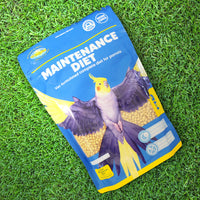
Size the pellet to the bird. A king parrot at 195 to 275 g is a large-parrot pellet bird, not a mini or crumble bird. Vetafarm Nutriblend Large is the straightforward Australian option.
Fresh vegetables and greens, every day
Vegetables and leafy greens go in daily, not as a garnish. Capsicum, broccoli, corn, carrot, zucchini, squash, spinach, silverbeet, beans and peas all work. Denser vegetables such as sweet potato, pumpkin, carrot and broccoli are easier to digest lightly steamed, which breaks down the cellulose.
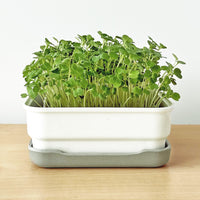
Sprouted seed sits in this part of the diet rather than the seed part. Sprouting lifts the nutritional value and gives a seed-loving bird something seed-shaped that is not a fat hit.
Native browse, blossom and green seed pods
This is where a king parrot diet separates from a generic parrot diet, and it is the cheapest upgrade you can make. Cut fresh green branches from safe Australian natives: wattle, bottlebrush, melaleuca, ti tree, gum, grevillea, lilly pilly and banksia. Birds eat the seeds and pods as well as chewing the leaves and bark.
For a canopy forager, browse is the closest thing to the real job. It delivers green unripe seed, blossom and buds in a form the bird has to work at, which is what it would be doing in a wet sclerophyll forest. Take it from somewhere you know has not been sprayed, wash it, and swap it out before it dries off.
The seed layer: weighed, not poured
Seed is not banned. It is measured. Keep it to a small daily serve alongside the pellets and vegetables rather than a standing bowl the bird grazes from all day.
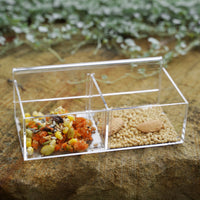
Portion control is the whole trick. Leave a full bowl out and the bird eats whatever is easiest and tastiest, which is the sunflower, and ignores the rest. Measure the serve, put it into a foraging setup rather than an open dish, and let the bird finish it before it gets more.
Fruit, and how much is too much
Fruit matters more for this bird than for a galah, and it still is not the base. Australian avian vet guidance for parrots puts fruit at roughly 7 to 15 per cent of the diet, with melon, strawberries, banana, blueberries, grapes, peach, pear and apple all suitable. Remove apple and stone fruit seeds first.
Wild king parrots take fruit and berries alongside seed, so a daily portion is reasonable. A bowl of fruit as the meal is not, because it is mostly sugar and water and it crowds out the pellets and vegetables carrying the nutrition.
Foods to avoid, and the toxic list
Avocado and chocolate are toxic to birds. Beyond outright toxins, Currumbin Valley Vet lists the things people feed birds without thinking: never fatty, salty or processed human food, never dairy such as butter, cheese or milk, and never tea, coffee or alcohol. Birds do not have the metabolism for any of it.
Bread deserves its own mention for this species, because king parrots visit backyards and people hand them bread. It fills the bird up and delivers next to nothing. Add to that list any seed mix that is mostly sunflower and safflower, which looks generous and functions as a bowl of fat.
Where you feed matters as much as what
For a king parrot, feeding position and hygiene are part of the diet rather than an afterthought.
Height first. Birds in Backyards records this species foraging in trees, and notes that in urban areas it feeds at artificial feeding stations and fruiting trees. A feeder mounted high suits a canopy bird far better than a bowl on the cage floor.
Hygiene second, and this one is specific to king parrots. Wildlife Health Australia's fact sheet on spironucleosis, a protozoal gut disease of the gut spread by the faecal-oral route, records that it causes disease most commonly in Australian king parrots throughout their natural range, and names congregation at bird feeders as a risk factor. Its guidance on feeding wild birds is to feed at a station rather than on the ground so the site can actually be cleaned, to clean thoroughly after every feeding event, and to change food and water daily.
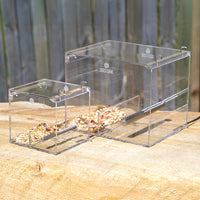
Whatever feeder you use, the rule is the same. Get the food up off the floor, keep it out of the droppings, and clean it properly.
Key facts
212 g
Average weight of an Australian king parrot, in a 195 to 275 g range
80%
Share of the total diet pellets must reach to work as a formulated diet
30 to 72 min
Daily time a captive parrot spends eating from a bowl, against 4 to 6 hours foraging in the wild
Zero
Australian parrots with access to sunflower seed before European settlement
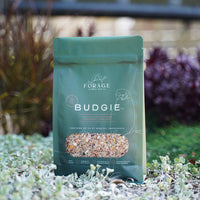
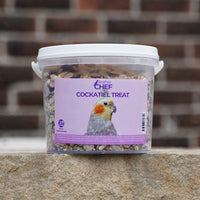
There is no king parrot specific blend, and the Alexandrine & Ringneck blend is the closest fit for a large parakeet-form parrot. Australian made from 100 per cent human-grade ingredients across fruits, nuts, seeds, grains and herbs, and built to encourage foraging. It does contain grey stripe sunflower, black sunflower and whole peanuts, so weigh it out as the seed layer and pair it with a pellet base and daily vegetables.
Mostly seeds and fruit taken in trees. BirdLife Australia's Birds in Backyards records the Australian king parrot foraging in trees for seeds and fruit in rainforest and wet sclerophyll forest along the east coast. That includes native tree seed, berries, buds and blossom, which is why fruit and soft plant material sit higher in a king parrot's diet than in a galah's.
Can king parrots eat sunflower seeds?
In small measured amounts, not as the diet. Currumbin Valley Vet notes that no Australian parrot had access to sunflower seed before Europeans arrived, that it is very high in fat, and that birds pick it out ahead of everything else. A few seeds inside a weighed serve or used as a training treat is fine. A bowl of sunflower-heavy mix is not.
Can king parrots eat fruit every day?
Yes, in modest amounts. Australian avian vet guidance for parrots puts fruit at roughly 7 to 15 per cent of the diet. Melon, strawberries, banana, blueberries, grapes, peach, pear and apple all suit. Remove apple and stone fruit seeds. Keep it as a portion alongside pellets and vegetables rather than the main meal.
What vegetables can king parrots eat?
Capsicum, broccoli, corn, carrot, zucchini, squash, spinach, silverbeet, beans and peas are all good. Sweet potato, pumpkin, carrot, broccoli and brussels sprouts are easier to digest lightly steamed, which breaks down the cellulose. Fresh seeding grasses and safe green leafy browse also count and are worth adding whenever you can get them.
Can Australian king parrots eat bread?
No. Bread fills a bird up and delivers almost nothing nutritionally, and it is the most common thing handed to king parrots visiting backyards. Currumbin Valley Vet's broader rule covers it: never feed fatty, salty or processed human food. If you want to offer something to a visiting king parrot, a small amount of appropriate seed or fresh fruit is far better.
How do I switch a king parrot from seed to pellets?
Slowly, and with supervision. Currumbin Valley Vet notes birds need to be converted to pelleted diets under supervision, and that pellets need to reach 80 per cent of the total diet to do their job. Mix pellets in with the familiar seed, lift the pellet share over weeks rather than days, and watch droppings and body weight through the change. King parrots are cautious birds, so expect this to take longer than it would with a conure. Never starve a bird onto a new food, and involve an avian vet if it stops eating.
Is it safe to feed wild king parrots in my garden?
Carefully, and not as their main food source. Wildlife Health Australia advises feeding at a station rather than on the ground so the site can be cleaned, cleaning thoroughly after every feeding event, and not feeding at all if large flocks of more than about 20 birds are gathering. This matters more for king parrots than most species, because spironucleosis, a protozoal gut disease spread by the faecal-oral route, causes disease most commonly in wild Australian king parrots and congregation at feeders is a listed risk factor. Small amounts, clean equipment and fresh water daily.
What foods are toxic to king parrots?
Avocado and chocolate are toxic. Beyond outright toxins, Currumbin Valley Vet's list of foods never to give a bird covers fatty, salty and processed human food, dairy products such as butter, cheese and milk, and tea, coffee and alcohol. Apple and stone fruit seeds should also be removed before feeding.
Sources
Currumbin Valley Bird, Reptile and Exotic Veterinary Services, Dietary Advice for Dry, Inland Australian ParrotsAustralian avian veterinary practice. Source for the dry-inland metabolism distinction, the 80 per cent pellet threshold, sunflower seed, vegetables, native browse and the toxic and unhealthy food lists.
BirdLife Australia, Birds in Backyards, Australian King-Parrot species profileSource for size (41 to 43 cm), average weight (212 g), rainforest and wet sclerophyll habitat, canopy foraging for seeds and fruit, and feeding at artificial feeding stations in urban areas.
LafeberVet, Foraging as a Means of Behavior ModificationSource for captive parrots eating a complete diet from a bowl in 30 to 72 minutes a day, against 4 to 6 hours of foraging in wild parrots.
Wildlife Health Australia, Spironucleosis in Australian wild birds, Fact Sheet, July 2025Source for spironucleosis affecting wild Australian king parrots throughout their range, faecal-oral transmission, congregation at bird feeders as a risk factor, and the feeding station hygiene guidance.
Russell Neale is the founder of Seed Cube, a bird-feeding brand he started in 2024 in the Hills District of NSW. A long-time bird owner himself, with three birds including a 12-year-old hand-raised Alexandrine, Russell built Seed Cube after years of frustration with messy, flimsy and poorly designed feeders.
Seed Cube makes practical, durable products that keep feeding cleaner, easier and safer for pet birds, and that are designed to last rather than end up in landfill. The brand works closely with Hills Wildlife Sanctuary, and everything it makes is BUILT FOR BIRDS™.
A king parrot can live around 25 years, and the diet you set now decides how many of those are healthy ones. Build it on pellets, put vegetables and native browse in every day, keep the seed layer measured, and give fruit as a portion rather than a meal. Then get the food up off the floor and keep the feeder clean, because for this species that is a health decision rather than a tidiness one. Feed it cleanly in a Large Seed Cube, and see an avian vet before any big diet change or if the bird stops eating.