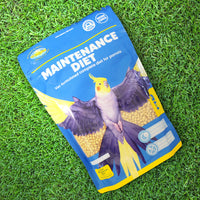
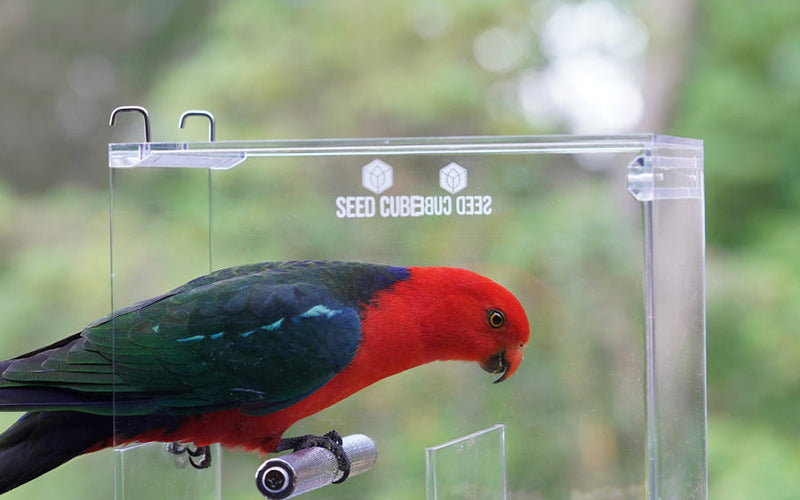
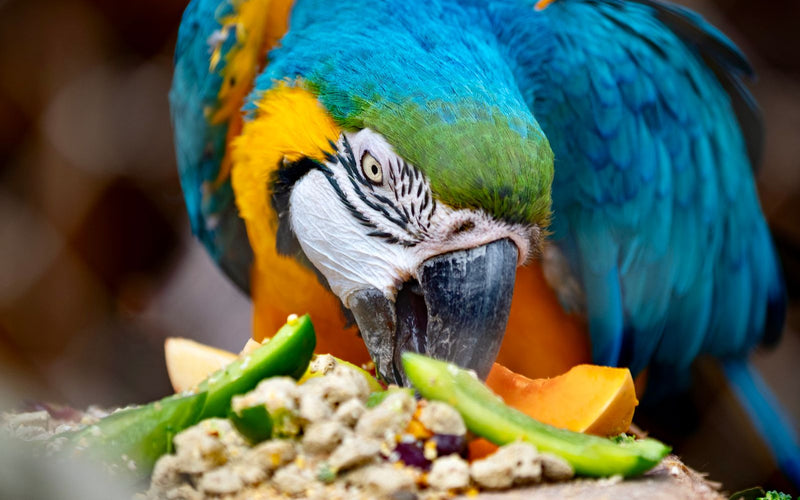
Build the diet on small parrot pellets, about 60 to 70%
Fresh vegetables and leafy greens every day, fruit only as an extra
Keep total seed to around 10% of daily intake
Rosellas are ground feeders, so keep spilled seed off the aviary floor
Let an avian vet set the worming schedule from your aviary floor type
Never feed avocado, and never offer nectar or honey
Quick answer
Feed a rosella a base of small parrot pellets (around 60 to 70% of the diet), fresh vegetables and leafy greens every day, and no more than about 10% seed, nuts and fruit combined. Add native browse such as bottlebrush and eucalyptus, keep cuttlebone and shell grit available, and change the water daily. Because rosellas are ground feeders, keeping spilled seed off the aviary floor matters as much as what goes in the bowl: RSPCA Australia notes ground-feeding Australian parrots are far more prone to intestinal worms, and aviary floor type changes worming frequency from every six weeks to two or three times a year.
A rosella's diet is built on pellets and daily greens, with seed as the enrichment layer, not the main meal.
What to feed a rosella: the short answer
Feed a rosella a base of small parrot pellets, fresh vegetables and leafy greens every day, and a measured portion of quality seed as the enrichment layer rather than the main meal. Add native browse, keep cuttlebone and shell grit available, and change the water daily.
A practical daily split for a pet or aviary rosella looks like this: roughly 60 to 70 per cent formulated pellets, 20 to 30 per cent fresh vegetables and greens, and 10 per cent or less seed, nuts and fruit combined. That last 10 per cent is the bit rosellas will happily turn into 100 per cent if you let them.
There is one more thing that matters for a rosella and does not matter nearly as much for a conure or an eclectus: where the food ends up. Rosellas are ground feeders, and seed on the aviary floor is a health problem, not just a housekeeping one. More on that below.
Why a seed-only rosella diet fails
A bowl of mixed seed looks generous. To a rosella it is a lolly jar. Given the choice, a rosella picks out the sunflower and the oats, ignores the rest, and eats a diet that is high in fat and short on almost everything else.
The Merck Veterinary Manual is blunt about where that leads. Chronic seed overconsumption in pet birds is linked to obesity, fatty liver disease, low vitamin A, low calcium and low vitamin D, raised blood cholesterol and triglycerides, and arthritis. Seed is also deficient in minerals including calcium, iron, zinc and manganese, and depending on where it was grown it can be short on iodine and selenium too. Iodine deficiency in seed-fed birds causes thyroid enlargement, which shows up as voice changes, regurgitation or laboured breathing.
Research from the University of Illinois College of Veterinary Medicine adds the cardiovascular side: the oil content of a seed-heavy diet predisposes parrots to obesity, abnormal blood lipids and atherosclerosis.
None of this means seed is poison. It means seed is a component, not a diet.
The rosella-specific risk: where the food lands
This is the part most rosella diet guides skip, and it is the part that separates rosellas from the conures and eclectus you read about elsewhere.
Rosellas are ground feeders. In the wild they spend the day working over fallen seed and grass seed heads. In an aviary, that instinct puts them on the floor, and the floor is where intestinal parasites live.
Professor Bob Doneley, a registered specialist in bird medicine writing for the RSPCA Australia Knowledgebase, splits captive birds into canopy dwellers and ground feeders, and notes that ground feeders, which includes most Australian parrots, are at much greater risk of picking up parasites. Worm eggs pass out in droppings and survive on the aviary floor for days to weeks until a bird eats them. Ground-dwelling Australian parrots are most likely to carry roundworm specifically.
The numbers make the point. A dirt-floored, full-flight aviary holding ground-feeding parrots, plus summer heat and rain, is described as the perfect storm for heavy parasite losses, and birds in that setup may need worming every six weeks. On a concrete floor, birds may only need worming two or three times a year. In a suspended aviary with a wire floor, where the birds barely contact their droppings, worming may be needed only once or twice a year, if at all.
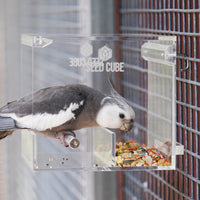
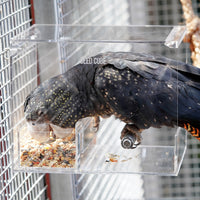
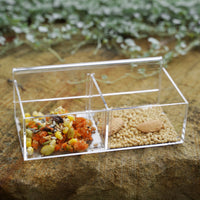
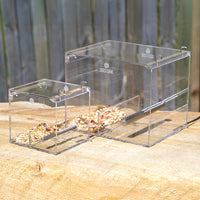
So the practical rosella feeding rule is two-part. Get the diet right, and stop broadcasting seed across the floor that gives your bird a reason to graze down there. Feed from an enclosed feeder mounted high, keep the floor cleanable, and let your avian vet set the worming schedule from your actual setup.
Pellets: the base of a modern rosella diet
Formulated pellets solve the selective feeding problem. Every pellet is nutritionally identical, so your rosella cannot pick out the fatty bits and leave the vitamins behind. Pellets should make up roughly 60 to 70 per cent of a rosella's daily intake.
Size matters here. Rosellas are small parrots at 95 to 170 g, so a small-format pellet suits them far better than a large parrot pellet. In Australia, Vetafarm Nutriblend Small Pellets are made for exactly this size class. Whichever brand you use, buy a size your bird can actually pick up and crack.
Do not switch overnight. Rosellas are neophobic about new food and a seed-raised bird can genuinely refuse pellets for weeks. Run both foods side by side, and see the transition section below.
Vegetables and greens, every day
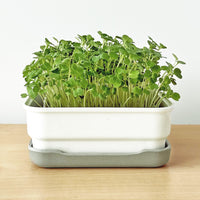
Fresh food should be offered daily, and it should be mostly vegetables rather than fruit. Vegetables carry the vitamin A precursors, calcium and fibre that seed does not, without the sugar load of fruit.
Good daily choices: dark leafy greens such as kale, silverbeet and endive, capsicum in any colour, grated carrot, broccoli florets, zucchini, peas and corn on the cob. The Avicultural Society of Australia specifically lists apple, corn on the cob, capsicum, eucalyptus leaves and non-toxic buds and flowers as variety foods for rosellas, alongside regular greens such as milk thistle, endive, dandelion and seeding grasses.
Seeding grass heads are worth calling out. They give a rosella a natural, species-appropriate foraging job and they are free from the verge in most of Australia. Just be certain the area has not been sprayed.
Fruit is fine two or three times a week in small amounts: apple, pear, berries, melon, a slice of orange. Treat it as dessert.
Seed and native browse: the enrichment layer
Seed still has a job. It is the food a rosella actually wants to work for, and working for food is good for a bird that would otherwise spend its day pacing the aviary floor.
The Avicultural Society of Australia's rosella feeding sheet builds the dry mix on millets and plain canary seed, with sunflower and hulled oats also available. That order matters: the millets and canary are the volume, the sunflower and oats are the extras. Keep the whole seed component to about 10 per cent of daily intake and it stays useful instead of becoming the diet.
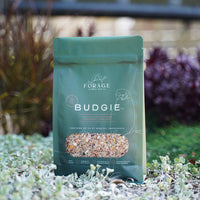
Our Forage Gourmet Small Parrot Specialty Blend is the closest match in our range; there is no rosella-specific blend. It is Australian made from 100 per cent human-grade ingredients across fruit, nuts, seeds, grains and herbs. It does include sunflower and peanuts, so treat it as the measured seed layer rather than the bowl your bird lives out of.
Native browse is the other half of the enrichment layer, and rosellas love it. Cut fresh bottlebrush, eucalyptus, grevillea and banksia and wire it into the aviary. It gives them something to chew that is not your perches, and the buds and blossom are genuinely part of the wild diet.
Foods to avoid
Never feed a rosella avocado. It is the one item worth memorising, because it is genuinely toxic to parrots and it turns up in kitchens constantly.
Also off the list: chocolate, caffeine, alcohol, onion and garlic, rhubarb leaves, and anything salty, fatty or heavily processed. Dairy is not toxic but birds have no useful way to digest it, so skip the cheese.
Two more that are less obvious. Bread is a common offering and it is close to nutritionally worthless for a parrot, so it displaces better food. And fruit pips and stones from apples, apricots, cherries and peaches should be removed before you offer the fruit.
Finally, do not offer honey or sugar water to a rosella. Rosellas are not lorikeets. They are dry-seed and pellet eaters, and a nectar mix is the wrong food for the wrong tongue.
How to switch a seed-addicted rosella onto a better diet
Rosellas are suspicious of new food and a switch takes patience. Never starve a bird onto pellets. Birds can lose condition alarmingly fast and a hunger strike can turn serious in days.
What works:
Run both foods at once. Keep the familiar seed available and put pellets in a separate dish alongside it.
Offer the new food first thing in the morning, when your rosella is hungriest and most likely to experiment.
Reduce the seed portion gradually over two to four weeks rather than cutting it.
Weigh your bird on kitchen scales every few days. A steady weight means the transition is working; a falling weight means slow down.
Mix a few crushed pellets through the seed so the taste and smell become familiar.
Model the behaviour. Rosellas are flock feeders and a bird will often try something after watching another bird, or you, eat it.
If your bird has not touched pellets after a fortnight, talk to an avian vet rather than pushing harder.
If you feed wild rosellas in your garden
A large share of rosella feeding questions in Australia are not about pet birds at all. They are about the wild eastern and crimson rosellas that turn up on the back fence.
Be honest about the trade-off. Wild birds do not need supplementary feeding to survive, and feeding them concentrates birds in one spot, which is exactly how disease spreads between them. If you choose to feed anyway, do it in a way that limits the harm.
Small amounts, occasionally. Not a full tray every day.
Never bread, never honey or sugar water, never processed human food.
Use a clean, dry seed suited to native parrots rather than a wild bird mix full of filler.
Scrub and dry the feeder regularly, and move it if droppings build up underneath.
Take the feeder down entirely if you see sick or lethargic birds in the area.
The same principle applies outdoors as in the aviary: seed scattered on wet ground under a feeder is where problems start. An enclosed feeder that keeps the seed dry and contained is a better choice than an open tray.
Key facts
95 to 170 g
Typical rosella weight, so the Small Seed Cube is the right size
60 to 70%
Share of a rosella's daily intake that should be formulated pellets
Every 6 weeks
Worming interval RSPCA Australia flags for ground-feeding parrots in dirt-floor aviaries, versus 2 to 3 times a year on concrete
15 to 25 years
Rosella lifespan in captivity with good diet and veterinary care
Recommended blend
For the seed portion of a rosella's diet
Forage Gourmet Seed - Small Parrot Specialty Blend
$15.99
There is no rosella-specific Forage Gourmet blend, so the Small Parrot Specialty Blend is the closest match in the range. It is Australian made from 100 per cent human-grade ingredients across fruit, nuts, seeds, grains and herbs, and it is built to encourage foraging. It does contain sunflower and peanuts, so serve it as the measured seed layer over a pellet base rather than as the whole diet.
In the wild, rosellas eat grass and tree seeds, fruits, buds, blossoms, nectar and some insects, mostly foraged on the ground. In captivity that translates to a base of small parrot pellets, daily vegetables and leafy greens, a measured portion of quality seed, native browse such as bottlebrush and eucalyptus, and cuttlebone or shell grit for calcium.
Can rosellas eat sunflower seeds?
Yes, but only as a small treat. Sunflower is high in fat and rosellas will eat it in preference to everything else in the bowl. The Avicultural Society of Australia lists sunflower and hulled oats as available alongside a millet and canary seed base, not as the base itself. Keep total seed to around 10 per cent of daily intake and use sunflower as a training reward rather than a staple.
What vegetables can rosellas eat?
Most of them. Good daily options are dark leafy greens such as kale, silverbeet, endive and dandelion, capsicum of any colour, grated carrot, broccoli, zucchini, peas and corn on the cob. Seeding grass heads are excellent and give the bird something to forage. Avoid onion, garlic, rhubarb leaves and avocado. Wash everything, and be sure any greens picked from a verge or park have not been sprayed.
Can rosellas eat fruit?
Yes, in moderation. Apple, pear, berries, melon and a slice of orange are all fine two or three times a week in small amounts. Fruit is high in sugar and low in the calcium and vitamin A a rosella actually needs, so it should sit behind vegetables, not replace them. Remove pips and stones from apples, apricots, cherries and peaches before offering.
Do rosellas need pellets?
Pellets are the most reliable way to get balanced nutrition into a rosella, because the bird cannot pick out the fatty bits and leave the vitamins behind. Aim for pellets as roughly 60 to 70 per cent of the diet. Use a small-format pellet suited to a 95 to 170 g parrot rather than a large parrot pellet. Pellets are not the only route to a healthy bird, but getting the same balance from seed and fresh food alone takes far more work and far more knowledge.
What foods are toxic to rosellas?
Avocado is the important one and should never be offered. Also avoid chocolate, caffeine, alcohol, onion, garlic, rhubarb leaves, and salty, fatty or heavily processed human food. Dairy is not toxic but birds cannot digest it usefully. Do not offer honey or sugar water: rosellas are seed and pellet eaters, not nectar feeders like lorikeets.
How often should I feed my rosella?
Fresh food and water go in every morning and fresh food should be removed before it spoils, especially in an Australian summer. Dry pellets and seed can stay available through the day. RSPCA Australia recommends washing feed and water dishes daily in hot soapy water and placing food up high in the enclosure to minimise contamination with droppings.
Why is my rosella always on the ground?
Because that is normal rosella behaviour. Rosellas are ground foragers and will spend a good part of the day working over the aviary floor, especially if spilled seed is landing there. The concern is not the behaviour itself but the parasite exposure that comes with it. RSPCA Australia notes that ground-feeding Australian parrots are far more prone to intestinal worms than canopy dwellers, and that aviary floor type strongly affects how often they need worming. Keep the floor cleanable, feed from an enclosed feeder mounted high so seed is not broadcast onto the ground, and have an avian vet set your worming schedule. If a normally active bird is suddenly sitting on the floor fluffed up, that is different and needs a vet the same day.
Sources
RSPCA Australia Knowledgebase, How, when, and why should I worm my birds? (Prof Bob Doneley BVSc FANZCVS, Registered Specialist in Bird Medicine)Ground-feeding versus canopy-dwelling birds, roundworm risk in Australian parrots, and how aviary floor type changes worming frequency.
The Avicultural Society of Australia, Fact Sheet: RosellasRosella seed mix, greens, cuttlefish and shell grit, variety foods, aviary dimensions, aggression and Victorian licensing.
Merck Veterinary Manual, Nutritional Diseases of Pet BirdsSeed-based diets and hypovitaminosis A, hypocalcaemia, obesity, fatty liver and iodine deficiency.
University of Illinois College of Veterinary Medicine, Where avian nutrition and health intersectSeed oil content, obesity, abnormal blood lipids and atherosclerosis in pet parrots.
Russell Neale is the founder of Seed Cube, a bird-feeding brand he started in 2024 in the Hills District of NSW. A long-time bird owner himself, with three birds including a 12-year-old hand-raised Alexandrine, Russell built Seed Cube after years of frustration with messy, flimsy and poorly designed feeders.
Seed Cube makes practical, durable products that keep feeding cleaner, easier and safer for pet birds, and that are designed to last rather than end up in landfill. The brand works closely with Hills Wildlife Sanctuary, and everything it makes is BUILT FOR BIRDS™.
Rosellas are hardy, striking and refreshingly low-maintenance compared with a cockatoo, but they are easy to feed badly. The two things that matter most are getting off a sunflower-heavy seed bowl and onto a pellet and vegetable base, and recognising that a ground-feeding parrot needs its seed contained rather than scattered across the aviary floor. Get both right, keep native browse and cuttlebone available, and let an avian vet set your worming programme from your actual aviary rather than a generic schedule. For a cleaner, lower-waste way to run that diet, see the Rosella Feeder and the Rosella Care Guide.