
Feeding and Diet

What to Feed a Princess Parrot: A Complete Diet Guide

By Russell Neale, Founder, Seed Cube 8 min read

TL;DR

  • Build the diet on a formulated pellet, with fresh vegetables and leafy greens every day
  • Keep seed to a small measured serve of millet and other small grass seed, around 10 to 15 per cent of intake
  • Skip sunflower, safflower and peanuts as everyday feed. Sunflower is over 50 per cent fat
  • Princess parrots are ground feeders, so feed off the aviary floor and keep the feed dry
  • Avocado and chocolate are toxic. So are salty and processed human foods, dairy, tea, coffee and alcohol

Quick answer

Feed a princess parrot a formulated pellet as the base, fresh vegetables and dark leafy greens daily, and a small measured serve of millet and other small grass seed at around 10 to 15 per cent of intake. Keep fruit modest. Avoid sunflower, safflower and peanuts as everyday feed, because this is the most desert-adapted parrot commonly kept in Australia and it evolved on small, hard, low-fat seed. Feed off the aviary floor and keep the food dry.
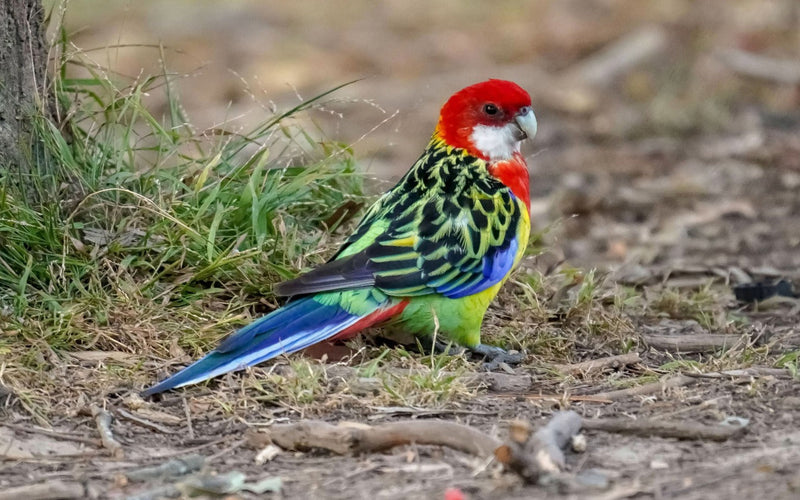
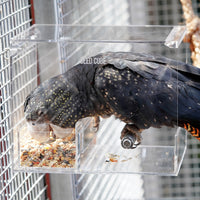
Princess parrot perched on a branch, a small Australian parrot suited to a Small Seed Cube no-mess feeder
Princess parrots are nomadic desert birds, and their diet should reflect it.

What to feed a princess parrot: the short answer

Build the diet on a formulated pellet, add fresh vegetables and leafy greens every day, and keep seed to a small measured serve of millet and other small grass seed. Fruit is a treat, not a food group. Skip sunflower, safflower and peanuts as everyday feed.

The reason is simple and it is the thing most princess parrot advice misses. This is the most desert-adapted parrot commonly kept in Australia. In the wild it lives on small, hard, high-fibre grass and acacia seed out in spinifex country. A generic parrot mix led by sunflower is close to the opposite of that.

The desert bird nobody feeds like one

Currumbin Valley Bird, Reptile and Exotic Veterinary Services publishes the diet advice most Australian bird keepers end up reading. It names the dry, inland Australian parrots whose metabolism is geared to low-fat diets: budgies, cockatiels, corellas, galahs and sulphur-crested cockatoos. For those birds the advice is blunt. They should have no sunflower seed in the diet at all.

The princess parrot is not on that list, so nobody applies the rule to it. Yet it lives further into the arid zone than any bird named there. Its range runs through inland Western Australia, the Northern Territory and northern South Australia, in spinifex grassland and desert woodland of marble gum, desert oak and acacia. It is nomadic, following rain across the interior, and it feeds on the seeds of spinifex, Danthonia, Portulaca and Calandrinia, plus acacia and casuarina seed.

Every one of those is a small, hard, fibrous seed. None of them is oily. The princess parrot is not an exception to the dry inland rule. It is the clearest example of it.

Why sunflower is the wrong seed for this bird

Sunflower seed is over 50 per cent fat, according to Currumbin Valley Vet Services. It is also extremely palatable, which is the real problem. A bird that feeds to satiation on a high-fat seed stops before it has eaten anything nutritionally useful, and then runs short on protein, vitamins and minerals while looking perfectly well fed.

The same practice puts a figure on the consequence: around 75 per cent of physical health problems seen in pet birds come from a high-fat diet low in essential vitamins and minerals. RSPCA Australia makes the same point from a different angle, noting that sunflower seed is roughly 49 per cent fat, about three times the fat in an average chocolate bar.

There is also the historical point, which Currumbin states plainly: before Europeans arrived, no Australian parrot had access to sunflower seed at all. For a bird that evolved on spinifex out in the desert, it is a food with no evolutionary precedent whatsoever.

Pellets: the base of a modern princess parrot diet

A formulated pellet fixes the selective-feeding problem, because the bird cannot pick the fatty bits out of it. RSPCA Australia puts a balanced pet bird diet at roughly 60 per cent formulated food and 40 per cent vegetables, with seed and fruit as treats.

Two things matter when you make the switch. Currumbin's advice is that pellets need to reach about 80 per cent of the total diet before they do the job they are designed to do, and that birds must be converted under supervision. Birds will refuse an unfamiliar food for longer than is safe, so this is a change to make with an avian vet's input, not one to force over a weekend.

The second is that pellets do not end the story. Birds on a pelleted diet still need vegetables, green grass seed and leafy browse. Vetafarm Nutriblend Small is the size-appropriate Australian pellet for a bird of this scale.

Vegetables and greens, every day

Fresh vegetables and dark leafy greens should be offered daily, not a few times a week. Good options include carrot, sweet potato, corn, peas, beans, broccoli, capsicum, silverbeet, kale, endive and bok choy. Dense vegetables such as sweet potato and pumpkin are better lightly steamed, which makes them easier for a small bird to work through.

Seeding native grasses and safe green browse are worth chasing for this species in particular, because green seed heads are close to what a princess parrot actually eats in the wild. Wattle, bottlebrush, melaleuca, ti tree, gum, grevillea and lilly pilly are all safe to offer as browse. Rinse anything you cut, and never take browse from a roadside or a garden that has been sprayed.

Fruit sits lower down. Keep it to roughly 7 to 15 per cent of the diet. It is sugar and water, and an aviary bird is nowhere near as active as a nomadic desert one.

The seed layer: small grass seed, measured

Seed does not disappear from the diet. It shrinks and it changes shape. Aim for around 10 to 15 per cent of the daily intake, weighed out rather than topped up, and choose a mix led by small grass seed rather than by oil seed.

What you want to see at the top of the ingredient list is millet, canary seed and other small hard grass seed. What you do not want leading the list is grey stripe sunflower, safflower and peanuts. This is the single change that moves a princess parrot's diet closest to what it evolved on.

Serving it in a way that makes the bird work for it is worth doing too. LafeberVet reports that wild parrots spend more than half the day foraging, while a captive bird with a full bowl nearby finishes eating in roughly 30 to 72 minutes. The rest of that time has to go somewhere.

Where the food sits is a health decision

Princess parrots feed on the ground. In the desert that is fine, because the ground is dry and the flock moves on. In an Australian aviary it is a different situation entirely, and this is where a desert bird meets a climate it never evolved for.

RSPCA Australia is direct about the risk. Dirt-floored, full-flight aviaries housing ground-feeding parrots, especially with summer rain and heat, may need worming as often as every six weeks. Birds housed on easily cleaned floors may only need worming two or three times each year. Sand can be raked over to reduce contact with worm eggs. Grass floors look good but attract insects that carry parasites.

That is a fivefold difference in worming frequency driven by nothing more than what is under the bird and what is lying on it. Getting the daily feed up off the floor and into a fixed, cleanable spot cuts the amount of food sitting in the dirt. It does not replace a worming program, and the schedule for your birds is a conversation for your avian vet, but it removes one of the reasons the burden builds in the first place.

Foods to avoid

Avocado and chocolate are toxic to birds and must never be offered. Neither should fatty, salty or processed human food, dairy, tea, coffee or alcohol.

Beyond outright toxins, the everyday list for a princess parrot is about proportion rather than poison. Sunflower, safflower and peanuts as the base of the diet. An all-seed diet with no pellet and no fresh food. Fruit offered as though it were a vegetable. A bowl that gets topped up rather than measured, which is how a bird ends up eating only the fatty pieces.

One species-specific note worth knowing: princess parrots can become constipated on bread, and on seed that is very small or has gone damp. Keep the feed dry, which is another argument for feeding under cover rather than out in the open aviary.

The wild bird you are not copying

It is worth knowing what sits behind the aviary bird. Polytelis alexandrae is listed as Vulnerable under the Environment Protection and Biodiversity Conservation Act 1999, with the wild population estimated at roughly 1,200 mature individuals, and the listing was retained as Vulnerable when the conservation advice was reviewed in 2018. It is also listed as Vulnerable in the Northern Territory and South Australia, and internationally the IUCN status is Near Threatened.

Every princess parrot in Australian aviculture is captive-bred, and the aviary population is far larger and far more secure than the wild one. That is not a licence to feed the bird as a novelty, though. It is an argument for the opposite. The wild diet is the only reference point you have for what this species is actually built to eat, and it is a narrow, low-fat, high-fibre one.

Copy the seed type and the effort. Do not copy the menu literally, because a spinifex plain is not something you can put in a bowl.

Key facts

  • 113 g

    Average weight of a princess parrot, well inside the Small feeder range

  • Over 50%

    Fat content of sunflower seed, per Currumbin Valley Vet Services

  • 6 weeks

    How often ground-feeding parrots in dirt-floored aviaries may need worming, per RSPCA Australia

  • 1,200

    Estimated mature princess parrots left in the wild, listed Vulnerable under the EPBC Act

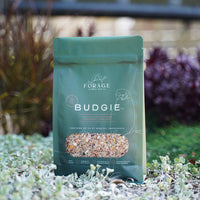
Seed layerForage Gourmet Seed - Budgie Specialty Blend-Bird Seed-Seed Cube

Closest ingredient match

Forage Gourmet Seed - Budgie Specialty Blend

$15.99

There is no princess parrot specific Forage Gourmet blend. The Budgie Specialty Blend is the closest fit on ingredients rather than on name: it leads with panorama millet, white French millet, canola, canary seed, shirohie and red pannicum millet, which is the small hard grass seed profile a spinifex feeder is built for. It does still contain sunflower cornels further down the list, so weigh it out as the seed layer over a pellet and vegetable base rather than feeding it as the whole diet.

See the blend
Forage Gourmet Seed - Budgie Specialty Blend-Bird Seed-Seed Cube
Forage Gourmet Seed - Budgie Specialty Blend $15.99
See the blend

Frequently asked questions

What do princess parrots eat in the wild?

Mostly seed. Recorded foods include the seeds of spinifex, Danthonia, Portulaca and Calandrinia, plus acacia and casuarina seed, and they will also take flowers and some fruit. They are nomadic, following rain through spinifex grassland and desert woodland of marble gum, desert oak and acacia across inland Western Australia, the Northern Territory and northern South Australia.

Can princess parrots eat sunflower seed?

Only as an occasional treat, and it is better left out. Sunflower is over 50 per cent fat and highly palatable, so a bird will fill up on it and skip the food that carries the nutrition. Currumbin Valley Vet Services advises no sunflower at all for Australia's dry inland parrots, and the princess parrot lives further into the arid zone than any of the species named in that advice.

What vegetables can princess parrots eat?

Carrot, sweet potato, corn, peas, beans, broccoli, capsicum, silverbeet, kale, endive and bok choy are all good daily options. Steam dense vegetables such as sweet potato and pumpkin lightly so a small bird can manage them. Seeding native grasses and safe green browse are especially worth offering, because green seed heads are close to the natural diet.

How much seed should a princess parrot get each day?

Roughly 10 to 15 per cent of the daily intake, weighed out rather than topped up. RSPCA Australia puts a balanced pet bird diet at about 60 per cent formulated food and 40 per cent vegetables, with seed and fruit as treats. Measuring matters more than the exact number, because a bowl that is constantly refilled lets the bird eat only the fatty pieces.

Do princess parrots need worming?

Yes, and more often than many keepers expect. RSPCA Australia notes that dirt-floored, full-flight aviaries housing ground-feeding parrots, particularly with summer rain and heat, may need worming every six weeks, while birds on easily cleaned floors may only need it two or three times a year. Princess parrots feed on the ground, so the floor type and the feeding position both matter. Set the actual schedule with your avian vet, ideally off a dropping sample.

Should princess parrots be on pellets?

A formulated pellet is the most reliable base, because the bird cannot pick the fatty pieces out of it. Currumbin Valley Vet Services advises that pellets need to reach around 80 per cent of the total diet to do their job, and that conversion must happen under supervision, since birds will refuse unfamiliar food for longer than is safe. Birds on pellets still need daily vegetables and green browse.

What foods are toxic to princess parrots?

Avocado and chocolate are toxic and must never be offered. Also avoid fatty, salty or processed human food, dairy, tea, coffee and alcohol. Princess parrots can also become constipated on bread and on seed that is very small or has gone damp, so keep the feed dry.

Are princess parrots endangered?

In the wild they are listed as Vulnerable under the Environment Protection and Biodiversity Conservation Act 1999, with the population estimated at roughly 1,200 mature individuals, and the listing was retained at that level in the 2018 conservation advice review. The IUCN lists them as Near Threatened. The aviary population in Australia is a separate matter and is entirely captive-bred.

Sources

  1. Currumbin Valley Bird, Reptile and Exotic Veterinary ServicesDietary Advice for Dry, Inland Australian Parrots, and Sinister Sunflower Seeds: The Truth. Used for the low-fat metabolism of Australia's dry inland parrots, the sunflower fat content and satiation problem, the pellet conversion advice, the vegetable list and native browse species, and the toxic and never-feed lists.
  2. RSPCA Australia KnowledgebaseHow, when and why should I worm my birds?, and What should I feed my birds? Used for the aviary floor and worming frequency figures, and for the balanced diet proportions of roughly 60 per cent formulated food and 40 per cent vegetables.
  3. Australian Government Department of Climate Change, Energy, the Environment and WaterConservation Advice for Polytelis alexandrae (princess parrot), listing under the Environment Protection and Biodiversity Conservation Act 1999, reviewed 2018. Used for the conservation status, the wild population estimate and the species range.
  4. LafeberVetForaging as a Means of Behavior Modification. Used for the comparison between wild parrots foraging more than half the day and captive birds finishing a bowl in roughly 30 to 72 minutes.

About the author

Russell Neale
Founder, Seed Cube

Russell Neale is the founder of Seed Cube, a bird-feeding brand he started in 2024 in the Hills District of NSW. A long-time bird owner himself, with three birds including a 12-year-old hand-raised Alexandrine, Russell built Seed Cube after years of frustration with messy, flimsy and poorly designed feeders.

Seed Cube makes practical, durable products that keep feeding cleaner, easier and safer for pet birds, and that are designed to last rather than end up in landfill. The brand works closely with Hills Wildlife Sanctuary, and everything it makes is BUILT FOR BIRDS™.

The princess parrot is the clearest example of the dry inland rule that Australian avian vets apply to budgies, cockatiels, galahs and corellas, and it is the one species nobody applies it to. Feed it small hard grass seed as a measured layer, put a formulated pellet and fresh vegetables underneath, keep the fruit modest, and keep the feed dry and off the aviary floor.

If you are setting up the feeding position, the princess parrot feeder covers sizing and mounting, and the princess parrot care guide covers housing, temperament and the rest of the picture.

See the princess parrot feeder