

Lovebird Care and Feeding

Diet, housing, health and behaviour for a happy, healthy lovebird.

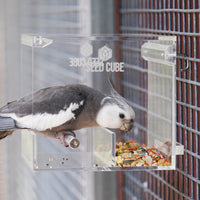
Green lovebird feeding at a Seed Cube no-mess feeder

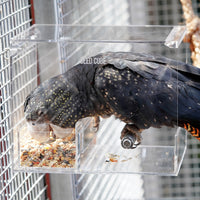
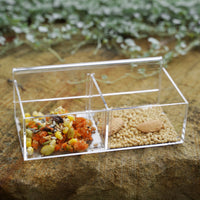
Lovebird Feeder

The no-mess Seed Cube for lovebird cages. Contain the husks and keep seed tidy.

View the feeder
Lovebird family perched, Seed Cube size guide

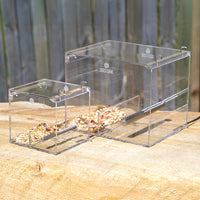
Which size fits?

Match your bird to the right Seed Cube. Lovebirds take the Small.

Compare sizes
Seed Cube bird first aid guide

Bird First Aid

Quick steps for common bird emergencies before you reach a vet.

Read the guide
Pair of lovebirds, complete lovebird diet guide

What to Feed a Lovebird

The complete lovebird diet guide: pellets, greens, fruit and the seed trap to avoid.

Read the diet guide
Species hero image
Agapornis

Lovebird

The pocket-sized African parrot with a big appetite and a bigger personality

Behavioral Profile

Mess Potential Moderate to high
Low High
Vocalization Level Moderate, chattery and shrill in bursts
Quiet Loud

Species Specifications

Size

About 13 to 17 cm long

Weight

About 45 to 70 g, usually around 50 g

Feather Type

Bright green body with a species-specific face colour, plus many colour mutations, low dust

Lifespan

Commonly 10 to 15 years, sometimes 20 or more with good care

Temperament

Bold, busy and affectionate, often intensely bonded to a mate or owner

Origins

Nine species from sub-Saharan Africa and Madagascar; the peach-faced, masked and Fischer's lovebirds are the common pets

Suitable Foods

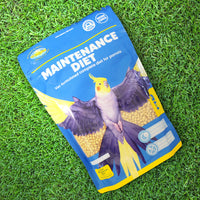
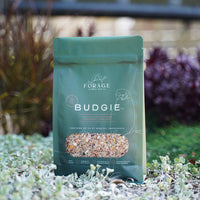
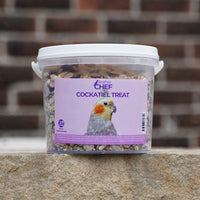
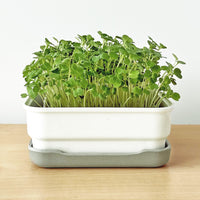
A quality small-parrot pellet as the base, roughly 60 to 80 percent of the diet, plus daily leafy greens and vegetables, small amounts of fruit, and a modest seed and treat mix. Offer a cuttlebone for calcium.

Care Level

Beginner to intermediate

Care Notes

Common Feeding Mistakes
The biggest lovebird mistake is feeding seed alone. A seed-only diet is high in fat and low in calcium, vitamin A and other nutrients, and in lovebirds it drives three linked problems: fatty liver disease, vitamin A deficiency, and in hens chronic egg laying that can crash calcium stores and lead to egg binding. Base the diet on a formulated pellet, add daily greens and vegetables, limit seed to treats, and always offer a cuttlebone for calcium. Never feed avocado, onion, chocolate or anything with caffeine, as these are toxic to birds.
Habitat Requirements
Lovebirds are active, athletic little parrots that need a roomy cage with horizontal bars to climb, set well away from draughts, kitchen fumes and harsh afternoon sun. Give several perches of varying thickness placed away from the feeder so droppings do not foul the food, plus rotating foraging toys and chew items to keep a busy mind occupied. A shallow dish or regular light misting lets them bathe. Provide clear daylight and quiet, dark nights of 10 to 12 hours, which also helps curb hormonal over-breeding.
Handling & Socialisation
Lovebirds are bold and affectionate but can be feisty and territorial, especially in the breeding season. A single lovebird handled daily usually bonds strongly to its owner, while a bonded pair will be loyal to each other and less interested in people. Move calmly, offer treats from the hand, and keep handling sessions short and positive. Watch for hormonal aggression and nesting behaviour, and avoid encouraging it with dark hidey spots and constant petting down the back.