
Feeding and Diet

What to Feed a Lovebird: A Complete Diet Guide

By Russell Neale, Founder, Seed Cube 6 min read

TL;DR

  • Feed a lovebird a pellet-based diet, not seed alone.
  • Aim for 60 to 80 percent pellets, daily greens and veg, a little fruit, and only 5 to 10 percent seed.
  • Seed-only diets cause fatty liver, vitamin A deficiency and, in hens, egg binding.
  • Always offer a cuttlebone for calcium and skip avocado, onion, chocolate and caffeine.

Quick answer

Feed a lovebird a balanced diet built on a quality formulated pellet, about 60 to 80 percent of the plate, plus daily vegetables and leafy greens, small amounts of fruit, and only a little seed as a treat. Add a cuttlebone for calcium. An all-seed diet is the main cause of fatty liver, vitamin A deficiency and, in hens, chronic egg laying and egg binding.
What to Feed a Lovebird: A Complete Diet Guide
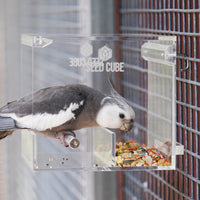
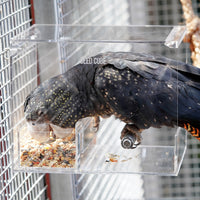
A lovebird feeding from a Seed Cube no-mess feeder.

What to feed a lovebird, in one look

Feed a lovebird a balanced diet built on a quality formulated pellet, not a bag of seed. A good daily plate is roughly 60 to 80 percent pellets, 10 to 25 percent fresh vegetables and leafy greens, a small amount of fruit, and only 5 to 10 percent seed as treats. Add a cuttlebone for calcium and always have clean water available.

Lovebirds are small African parrots that weigh about 50 grams, and they pack a big appetite into a tiny body. That is exactly why diet matters so much. An all-seed diet is the classic lovebird trap: it looks natural, the bird loves it, and it quietly drives fatty liver disease, vitamin A deficiency and, in hens, the calcium crash behind chronic egg laying and egg binding. Get the base right and most of those problems never start.

The lovebird seed trap: fatty liver and vitamin A

Seed is high in fat and low in the vitamins, minerals and protein a lovebird needs. Commercial seed mixes usually hold four to ten kinds of seed and nut, and a lovebird will pick out its one or two favourites and leave the rest, so the diet is even more unbalanced than the bag suggests. Millet sprays and honey sticks are just more of the same: tasty, nutrient-poor treats.

Fed as the main diet, that fat load makes lovebirds one of the small parrots most prone to fatty liver disease, where fat builds up in the liver and slowly damages it. Seed is also low in vitamin A, and deficiency shows up as poor feathering, crusty nostrils, mouth and sinus infections and a weaker immune system. The fix is not a supplement sprinkled on seed. It is a balanced, pellet-based diet with daily greens.

The hidden danger for hens: calcium, egg laying and egg binding

This is the lovebird angle most feeding guides skip. Female lovebirds are prolific egg layers and will often lay clutch after clutch even with no mate and no nest. Every egg draws heavily on the hen's calcium, both to build the shell and to power the muscle contractions that push the egg out.

A seed-only diet is already low in calcium, so a chronically laying hen can run her stores down until the oviduct cannot contract properly. That is egg binding, where an egg becomes stuck, and it is life threatening. The prevention is dietary: a calcium-adequate, pellet-based diet, a cuttlebone always available, and management that discourages constant laying, such as 10 to 12 hours of dark, quiet nights and removing nest-like hidey spots.

The daily plate: pellets, greens, fruit and seed

Build the diet in these proportions:

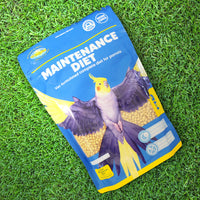
  • Pellets, 60 to 80 percent. A small-parrot or cockatiel-sized formulated pellet is the base. Every pellet carries balanced nutrition, so your bird cannot selectively eat only the fatty bits.
  • Vegetables and leafy greens, 10 to 25 percent. Dark, colourful vegetables are best for vitamin A. Skip pale, watery choices like iceberg lettuce and celery, which add little.
  • Fruit, about 5 percent. A treat, not a staple, because it is sugary. Small pieces of apple (no seeds), berries or banana are fine.
  • Seed and treats, 5 to 10 percent. A small daily pinch or a foraging reward, never the main meal.

A thumbnail-sized portion of any fresh food is plenty for a lovebird. Offer fresh food in a separate dish and remove it after a couple of hours so it cannot spoil.

Best vegetables and fruit for a lovebird

Vegetables do the heavy lifting, so offer them daily. Good choices include kale, silverbeet, broccoli, carrot and carrot tops, capsicum, bok choy, spinach, peas, sweet potato (cooked) and fresh herbs. The darker and more colourful, the more vitamin A they carry.

Fruit is a smaller, sweeter part of the plate. Lovebirds enjoy apple (remove the seeds, which are toxic), banana, berries, melon, pear, mango and stone fruit. Wash everything well, cut it into lovebird-sized pieces, and vary it so your bird does not fixate on one favourite. Skin can stay on. If your bird only wants one item, reduce it for a while to encourage variety.

Foods that are toxic to lovebirds

A few common foods are genuinely dangerous. Avocado and onion are toxic to birds and can be fatal. Chocolate, caffeine and alcohol are all off limits. So are the seeds and pips of apples and stone fruit, which contain trace cyanide compounds, so core apples before offering them.

Beyond outright toxins, keep salty, fatty and sugary human foods to almost nothing. A lovebird is tiny, so even a small amount is a large dose. Dairy should be minimal, as birds are lactose intolerant. When in doubt, leave it out and stick to the plate above.

How to switch a lovebird from seed to pellets

Many lovebirds are stubborn seed addicts, and they may not even recognise pellets as food at first. Change the diet gradually and never starve a bird onto pellets.

A steady method is to offer 75 percent seed with 25 percent pellets for three days, then a 50/50 mix for three days, then 25 percent seed with 75 percent pellets until your bird is converted. Fill the dish only a quarter full once a day so your bird gets hungry enough to try new things. It helps to eat pellets in front of your bird, since lovebirds are social and copy the flock, or to grind pellets over a favourite moist food. Conversion can take days or weeks, so only remove seed completely once you are sure your bird is eating pellets plus some vegetables. If your bird loses weight or refuses to eat, stop and call an avian vet.

Feeding through moult, breeding and daily life

A balanced diet year-round beats special seasonal seed mixes. Through a moult, a lovebird needs good protein and vitamins to grow strong new feathers, which a pellet-based diet already supplies. A breeding or laying hen needs extra calcium, so keep a cuttlebone available and speak to your vet about supplements if she lays often.

Fresh water must be available at all times and the dish cleaned daily. Keeping seed and pellets tidy in a cage-mounted feeder like the Seed Cube makes it easy to measure portions, cut husk mess and see exactly how much your bird is actually eating, which is one of the first things to change if a lovebird stops eating or seems unwell.

Key facts

  • 45 to 70 g

    Typical adult lovebird weight

  • 60 to 80%

    Share of the diet that should be pellets

  • 5 to 10%

    Share of the diet for seed and treats

  • 10 to 15 yr

    Lovebird lifespan on a good diet

Seed layerForage Gourmet Seed - Small Parrot Specialty Blend-Bird Seed-Seed Cube

Forage Gourmet

Forage Gourmet Seed - Small Parrot Specialty Blend

$15.99

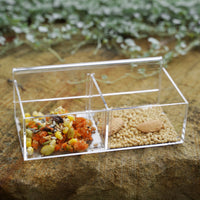
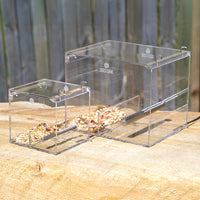
Our Small Parrot blend is the quality seed layer for a lovebird's diet, a balanced mix to pair with a good pellet, daily greens and a little fruit. Load it into the Small Seed Cube to keep the husks contained.

Shop the Small Parrot blend
Forage Gourmet Seed - Small Parrot Specialty Blend-Bird Seed-Seed Cube
Forage Gourmet Seed - Small Parrot Specialty Blend $15.99
Shop the Small Parrot blend

Frequently asked questions

What do lovebirds eat?

Pet lovebirds do best on a balanced diet built on a formulated pellet, roughly 60 to 80 percent of the plate, plus daily vegetables and leafy greens, a small amount of fruit, and only a little seed as a treat. In the wild, lovebirds eat grass seeds, fruits, berries and vegetation that changes with the seasons, but a home diet needs pellets to cover the vitamins and minerals seed lacks.

Can lovebirds live on seed alone?

No. A seed-only diet is high in fat and low in calcium, vitamin A and protein. In lovebirds it drives fatty liver disease, vitamin A deficiency and, in hens, the calcium shortfall behind chronic egg laying and egg binding. Seed should be a small treat, not the main meal.

What fruits can lovebirds eat?

Lovebirds enjoy apple (with the seeds removed), banana, berries, melon, pear, mango and stone fruit. Wash it well and cut it into small pieces. Keep fruit to about 5 percent of the diet, since it is sugary, and remove it after a couple of hours so it does not spoil.

What vegetables are best for a lovebird?

Dark, colourful vegetables are best because they are rich in vitamin A. Good choices include kale, silverbeet, broccoli, carrot and carrot tops, capsicum, bok choy, spinach, peas and cooked sweet potato. Avoid pale, watery vegetables like iceberg lettuce and celery, which offer little nutrition.

Can lovebirds eat apples and bananas?

Yes, both in small amounts. Apple is fine once you remove the seeds, which contain trace cyanide compounds. Banana is soft and well liked. Treat fruit as a small part of the diet rather than a staple, and offer variety so your bird does not fixate on one favourite.

What foods are poisonous to lovebirds?

Never feed avocado or onion, which are toxic to birds, or chocolate, caffeine and alcohol. Avoid apple and stone-fruit seeds, and keep very salty, fatty or sugary human foods away from your bird. Dairy should be minimal, as birds are lactose intolerant.

How much should I feed my lovebird each day?

Offer a small daily bowl of pellets as the base, with a thumbnail-sized serving of fresh vegetables and a little fruit alongside. A thumbnail portion for a lovebird is the equivalent of a dinner-plate serving for a person. Filling the dish only about a quarter full once a day helps prevent selective seed picking and keeps weight in check.

Do lovebirds need cuttlebone or calcium?

Yes, especially hens. Keep a cuttlebone or mineral block in the cage at all times so your bird can top up calcium as needed. Female lovebirds that lay eggs draw heavily on calcium, and a shortfall can lead to weak shells and egg binding. A pellet-based diet also supplies calcium a seed diet cannot.

Sources

  1. Lovebirds - Feeding, VCA Animal HospitalsVeterinary guidance on lovebird diet, pellet proportions and foods to avoid
  2. Basic Information Sheet: Lovebird, LafeberVetAvian-vet reference on lovebird biology, weight, diet and medical conditions
  3. What should I feed my birds? RSPCA Australia KnowledgebaseAustralian welfare guidance recommending a formulated diet over all-seed
  4. Chronic Egg Laying in Birds, VCA Animal HospitalsLink between seed diets, calcium deficiency and egg binding in hens

About the author

Russell Neale
Founder, Seed Cube

Russell Neale is the founder of Seed Cube, a bird-feeding brand he started in 2024 in the Hills District of NSW. A long-time bird owner himself, with three birds including a 12-year-old hand-raised Alexandrine, Russell built Seed Cube after years of frustration with messy, flimsy and poorly designed feeders.

Seed Cube makes practical, durable products that keep feeding cleaner, easier and safer for pet birds, and that are designed to last rather than end up in landfill. The brand works closely with Hills Wildlife Sanctuary, and everything it makes is BUILT FOR BIRDS™.

Get the base right and the rest falls into place. Build your lovebird's diet on a good pellet, pile on the dark leafy greens and colourful veg, keep fruit and seed as treats, and never skip the cuttlebone. That balance heads off the big lovebird problems before they start: fatty liver, vitamin A deficiency and, in hens, the calcium crash behind egg binding. If your bird is a stubborn seed addict, switch slowly and check in with an avian vet. A cage-mounted Seed Cube feeder keeps the seed layer tidy and the husks contained while you do. For the full picture on housing, health and behaviour, see the Lovebird Care Guide.

Shop the Lovebird Feeder