
Feeding & Diet

What to Feed a Budgie: A Complete Diet Guide

By Russell Neale, Founder, Seed Cube 6 min read

TL;DR

  • A budgie needs a varied diet: a formulated or pellet base, daily vegetables and greens, and seed as a smaller part, not the whole bowl.
  • Seed-only diets are high in fat and short on vitamin A, calcium and iodine, which leads to obesity, fatty liver and goitre.
  • Offer budgie-safe veg daily (leafy greens, capsicum, broccoli, carrot) and keep a cuttlebone for calcium and iodine.
  • Iodine matters for budgies; a cuttlebone or vet-advised iodine source helps prevent goitre on seed-heavy diets.
  • Switch diets slowly over weeks, weigh your budgie, and never feed avocado, chocolate, caffeine, onion, garlic or salty food.

Quick answer

A healthy budgie diet is built on fresh foods and a quality base, not a bowl of seed. Most avian vets recommend a formulated pellet base plus plenty of vegetables and leafy greens, with seed kept as a smaller part or a treat rather than the whole diet. Seed-only feeding is high in fat and low in vitamin A, calcium and iodine, and over time it causes obesity, fatty liver and goitre. Offer fresh vegetables daily, a quality budgie seed blend and a cuttlebone, switch diets gradually over weeks, and never feed avocado, chocolate, caffeine, onion, garlic or salty foods.
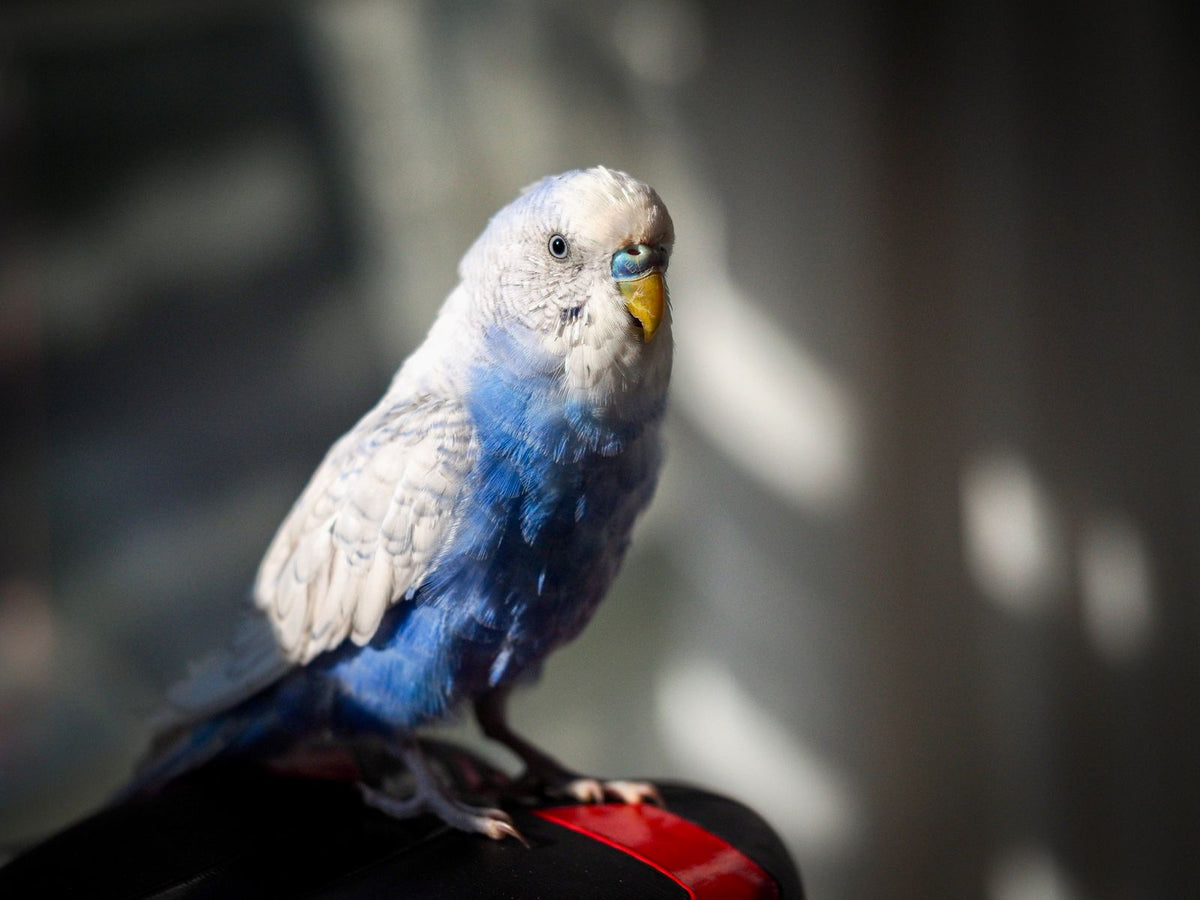
Blue budgerigar perched, close up
Good budgie care is mostly diet, space, company, and noticing changes early.

What a healthy budgie diet looks like

A budgie in the wild spends its day foraging across a wide range of grass seeds, plus greens and the odd bit of grit. A bowl of dry shop seed is nothing like that, and it is the single most common reason pet budgies get sick. A good diet copies the variety, not just the seed.

As a working split, most avian vets aim for a formulated (pelleted) base and plenty of fresh vegetables, with seed kept as the smaller, enjoyable part rather than the whole meal. A common target is roughly half to two-thirds formulated food and vegetables combined, with seed and fruit treated as treats. The exact ratio matters less than the principle: variety every day, and seed never the only thing in the bowl.
Why an all-seed diet is the big mistake

Budgies love seed and, given the choice, will eat little else. The problem is what seed does not contain. Dry seed mixes are high in fat and low in vitamin A, calcium, iodine and other nutrients a budgie needs every day. The RSPCA notes that feeding an all-seed diet is not just a poor diet but one that contributes to the death of thousands of pet birds every year.

Over months and years a seed-only budgie tends to become overweight and can develop fatty liver disease, weak bones and poor feathers. Budgies are also prone to fatty lumps, and because they pick out their favourite fatty seeds and leave the rest, they miss nutrients even from a fortified mix. The fix is not to ban seed, it is to make it a smaller part of a varied diet.

Iodine and goitre: a budgie-specific risk

One deficiency is worth singling out because it is so common in budgies. Iodine keeps the thyroid working, and most plain seed mixes provide only a tiny fraction of what a budgie needs. A long-term shortfall enlarges the thyroid, a condition called goitre, which presses on the airway.

The classic signs are a clicking or wheezing sound when breathing, a change in voice, and regurgitation. It is preventable. A cuttlebone or iodine-containing mineral block, a varied diet, and a quality blend rather than bargain seed all help. If you hear persistent clicking or wheezing, see an avian vet, because goitre is treatable when caught early.

Vegetables and leafy greens, every day

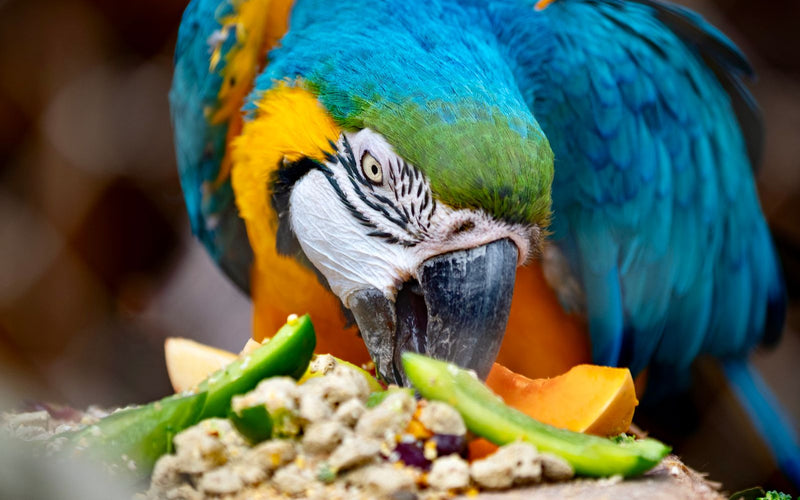
Fresh vegetables are where a budgie gets much of its vitamin A and calcium, so offer some every single day. Dark leafy greens are the standouts: kale, silverbeet, English spinach, bok choy and other Asian greens, plus broccoli, capsicum, carrot, peas, corn and a little grated pumpkin or sweet potato. Herbs like coriander and basil go down well too.

Wash everything, chop it small or clip it to the bars, and rotate what you offer through the week. New foods are often ignored at first, so keep trying; it can take many goes before a budgie accepts a vegetable. Remove fresh food after a few hours so it cannot spoil.

Blue and white budgerigar, close up portrait

Seed and sprouted seed, done right

Seed still has a place, it just should not run the show. Choose a quality budgie blend with a range of small grass seeds rather than a cheap mix heavy on plain millet and a few fatty sunflower hearts. A small daily portion, or a sprig of millet as a treat, keeps the foraging and the fun without the fat overload.

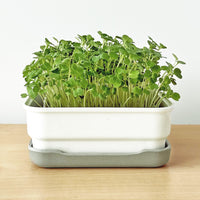
Sprouted seed is better again. Soaking and sprouting drops the fat, lifts the vitamin levels and most budgies love it. Rinse a small batch, soak it for 8 to 12 hours, drain and rinse, then leave it to sprout for a day or two, rinsing twice a day, and serve it fresh. Throw out any batch that smells sour.

Cuttlebone, grit, treats and water

Keep a cuttlebone or mineral block clipped to the cage at all times. Budgies nibble it for calcium and iodine and largely self-regulate, and it doubles as beak maintenance. Calcium matters even more for breeding hens.

Budgies shell their seed before eating, so they do not need insoluble grit, and too much can cause crop problems, so skip the gravel; a cuttlebone covers their mineral needs. Treats such as millet sprays and small pieces of fruit, like apple, banana or berries, are fine in small amounts, always seedless. Keep fresh, clean water available at all times and change it daily.

Foods that are toxic, never feed these

Some everyday foods are dangerous to a budgie. Never feed avocado, chocolate, caffeine, alcohol, onion, garlic, or very salty or sugary foods, and remove the seeds and pips of apples and stone fruit, which contain traces of cyanide. Rhubarb and the leaves of tomato and potato plants are also off the menu.

Avocado is the one to be most careful with: the persin it contains can kill a small bird within a day or two. When you are not sure whether something is safe, leave it out and check with an avian vet first.

Switching your budgie to a better diet

Budgies are wary of new food and, being small, they cannot safely go long without eating, so never starve a budgie onto pellets or vegetables. Go gradually. Mix a little of the new food into the usual seed and increase the new share over a few weeks, offering it first thing in the morning when your bird is hungriest.

Watch weight and droppings closely. A healthy budgie weighs roughly 30 to 40 grams, and a small kitchen scale is the easiest way to catch a problem early. If your budgie loses weight or stops eating during the change, slow down and check in with an avian vet.

A cleaner way to feed a messy eater

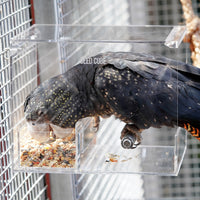
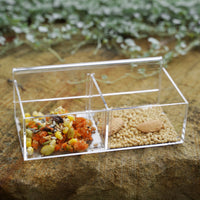
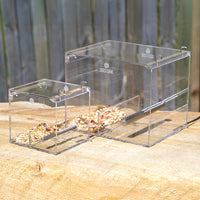
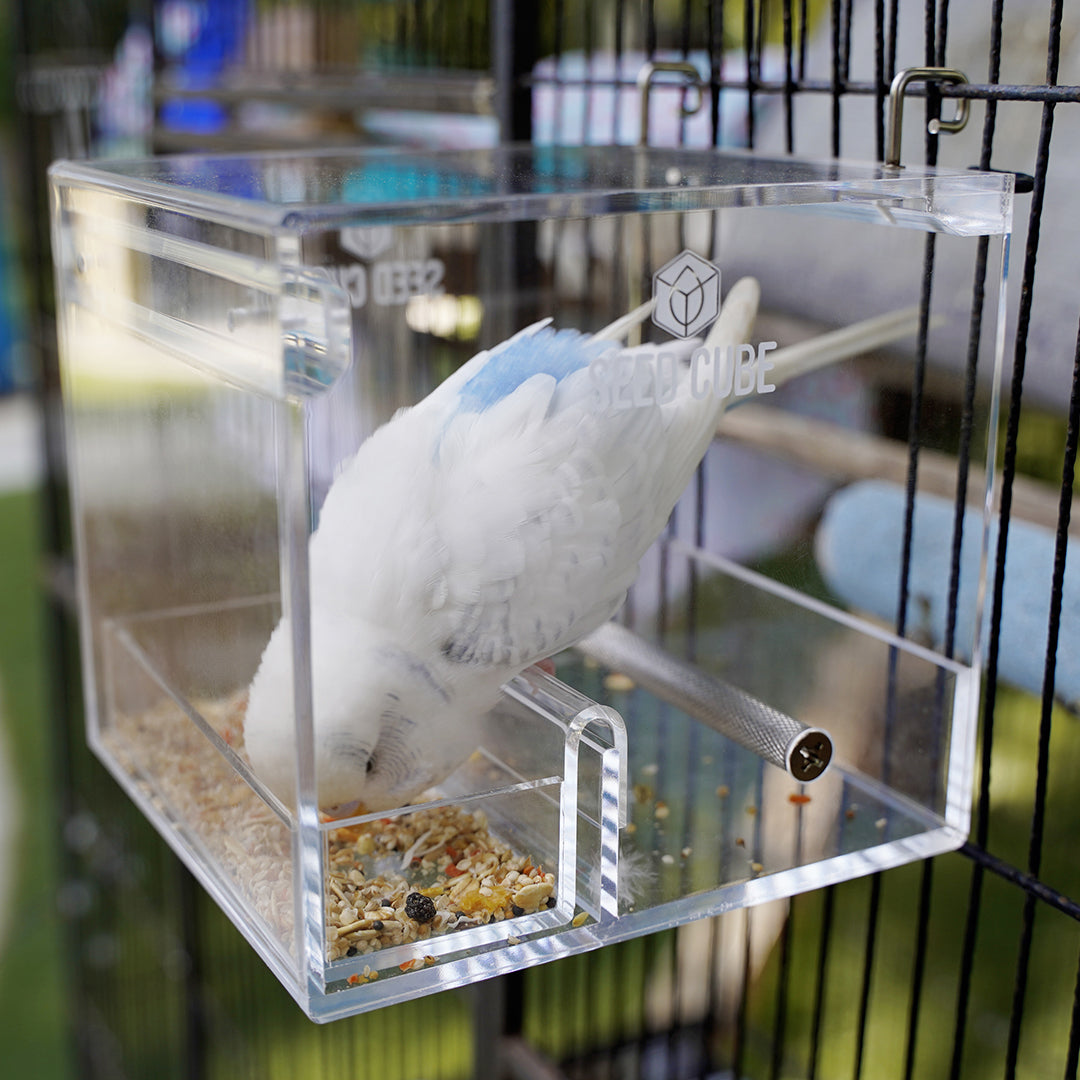
Budgies flick and scatter as they eat, so a varied fresh diet can mean seed, husks and chopped veg sprayed across the cage and wasted. An enclosed feeder keeps that mess contained, cuts the daily clean-up, and keeps the cage floor clear so you can read your budgie's droppings, one of the earliest signs that something is wrong. When feeding is clean and contained, a balanced diet is far easier to keep up.

Two budgies feeding from a Seed Cube no-mess feeder

Key facts

  • 30-40 g

    Healthy budgie weight

  • Daily

    Fresh veg and greens

  • Iodine

    Prevents goitre

  • 10-15 yrs

    Lifespan, good care

  • Cuttlebone

    Calcium and iodine

  • Never

    Avocado

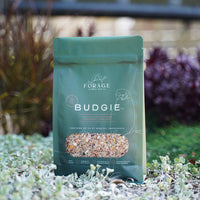
Budgie approvedForage Gourmet Seed - Budgie Specialty Blend-Bird Seed-Seed Cube

Recommended for budgies

Forage Gourmet Seed - Budgie Specialty Blend

$15.99

The Small Seed Cube contains seed flicking and husks inside the feeder, so the cage floor stays clean and you can spot health changes early.

Shop the budgie feeder
Forage Gourmet Seed - Budgie Specialty Blend-Bird Seed-Seed Cube
Forage Gourmet Seed - Budgie Specialty Blend $15.99
Shop the budgie feeder

Frequently asked questions

What should I feed my budgie?

A formulated pellet base plus fresh vegetables and leafy greens daily, with a quality seed blend as a smaller part. Always provide a cuttlebone and fresh water.

Can budgies live on seed alone?

Not healthily. Seed-only diets are high in fat and low in vitamin A, calcium and iodine, and lead to obesity, fatty liver and goitre over time.

What vegetables can budgies eat?

Leafy greens like kale, silverbeet and bok choy, plus capsicum, broccoli, carrot, peas and a little pumpkin. Offer some every day.

Can budgies eat fruit?

Yes, in small amounts as a treat. Apple, banana and berries are fine, always remove seeds and pips. Keep fruit limited because of the sugar.

Do budgies need grit?

No. Budgies shell their seed before eating, so they do not need insoluble grit, and too much can cause problems. A cuttlebone covers their mineral needs.

How do I get my budgie to eat vegetables or pellets?

Introduce gradually, offer fresh food in the morning when your bird is hungriest, chop it small and keep trying. Never starve a budgie onto new food, and watch its weight.

What foods are toxic to budgies?

Never feed avocado, chocolate, caffeine, alcohol, onion, garlic, salt, or fruit seeds and pips. Avocado is the most dangerous and can be fatal.

Sources

  1. Unusual Pet Vets (Australia), pet budgie careGeneral guidance only. For any health concern, consult a qualified avian vet.
  2. Unusual Pet Vets (Australia), budgerigar care sheet
  3. RSPCA Australia, budgerigar and pet bird care
  4. Australian Veterinary Association, companion bird health

About the author

Russell Neale
Founder, Seed Cube

Russell Neale is the founder of Seed Cube, a bird-feeding brand he started in 2024 in the Hills District of NSW. A long-time bird owner himself, with three birds including a 12-year-old hand-raised Alexandrine, Russell built Seed Cube after years of frustration with messy, flimsy and poorly designed feeders.

Seed Cube makes practical, durable products that keep feeding cleaner, easier and safer for pet birds, and that are designed to last rather than end up in landfill. The brand works closely with Hills Wildlife Sanctuary, and everything it makes is BUILT FOR BIRDS™.

Budgie care is not complicated: a varied diet on quality pellets and veg, a cage that is wider than it is tall, daily company, and a close eye for the early signs of illness. Keep the cage floor clean and you will catch problems sooner. Done well, your budgie can give you 10 to 15 good years.

Shop the Budgie Blend