
Feeding & Diet

Can Eclectus Eat Nuts and Seeds? An Eclectus Diet Guide

By Russell Neale, Founder, Seed Cube 3 min read

TL;DR

  • Eclectus thrive on a diet built mostly on fresh fruit, veg and legumes.
  • Nuts and seeds are fine in moderation as occasional treats, not the daily staple.
  • Use a pellet formulated for eclectus, such as Vetafarm Paradise Pellets (low iron, high vitamin A).
  • Go easy on synthetic supplements and lean on red and orange veg for vitamin A.

Quick answer

Eclectus are frugivores that do best on a varied, mostly fresh diet: fruit, vegetables and legumes, plus a pellet formulated for eclectus and a small amount of treats. Nuts and seeds are not off-limits, but they are high in fat and low in the nutrients eclectus need most, so most avian guidance treats them as occasional treats rather than the staple. Offer them in small amounts, ideally from the hand or a foraging toy. Choose a low-iron, vitamin-A-rich pellet such as Vetafarm Paradise Pellets, and favour red and orange vegetables for vitamin A.
Can Eclectus Eat Nuts and Seeds? An Eclectus Diet Guide
Balance, not bans: where fresh food, pellets and treats fit for eclectus.

What eclectus are built to eat

Eclectus are frugivores. In the wild they eat mostly fruit, flowers, seeds, nuts and leaf buds, and they have a long digestive tract suited to a high-fibre, natural diet. In a cage, that translates to a diet built mostly on fresh foods, with the right pellet and a little variety on top.

They also absorb nutrients efficiently, which is why most avian sources favour a natural diet over heavy supplementation.

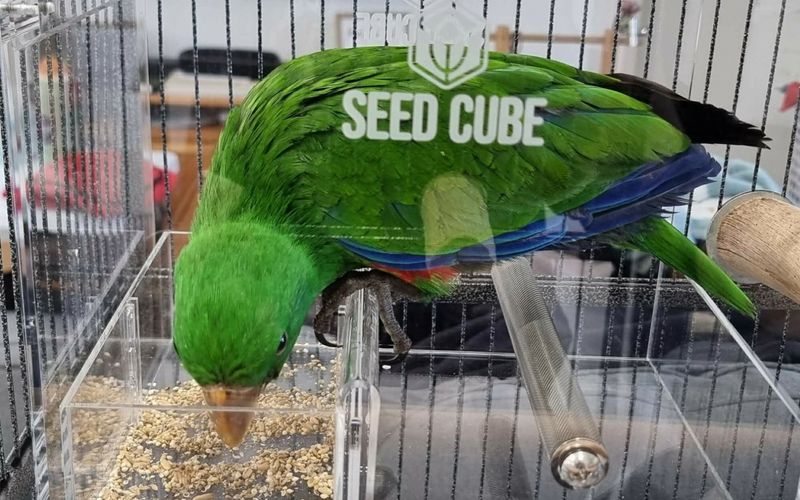
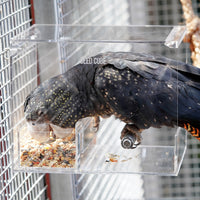
Green male eclectus parrot feeding

Where nuts and seeds actually fit

You will read strong opinions that eclectus should never have nuts or seed. The more widely held position among avian vets and breeders is gentler: nuts and seeds are high in fat and low in the nutrients eclectus need most, so they work best as occasional treats rather than the daily staple.

In practice that means a small amount of a quality seed mix or a few nut pieces, ideally offered from the hand or a foraging toy rather than left in a bowl all day. Vetafarm's eclectus feeding guidance, for example, puts treats including seeds and nuts at around five percent of the diet. Used this way, a good blend like the Forage Eclectus blend adds welcome variety and foraging without tipping the diet too high in fat.

Build the base: fresh foods and the right pellet

The bulk of an eclectus diet should be fresh foods: fruit, vegetables and legumes such as chickpeas, lentils and mung beans. Lean into red, orange and yellow produce like sweet potato, carrot, capsicum and pumpkin, because eclectus need more vitamin A than most parrots.

For the pellet portion, choose one formulated for eclectus rather than a generic mix. Vetafarm Paradise Pellets are made for frugivores like the eclectus, with low iron and higher vitamin A, and are designed to sit alongside fresh foods rather than replace them. Vetafarm's own guide suggests roughly half pellets, with the rest fresh foods and a small share of treats.

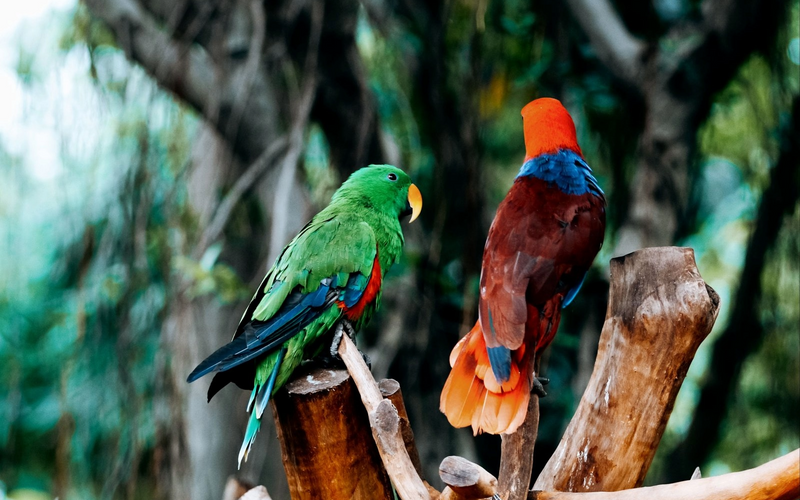
Male and female eclectus parrots perched, showing the colour difference between the sexes

A note on supplements and additives

Because eclectus absorb so well, many sources advise going easy on synthetic vitamins and avoiding artificial colours and sulphur-preserved dried fruit. Over-supplementing is linked anecdotally to toe-tapping and wing-flipping, though eclectus authority Laurella Desborough notes those signs have many possible causes, including infection, stress, moulting and hormones, not diet alone.

The safe path: feed a varied, natural diet, use an eclectus-appropriate pellet, and add supplements only on the advice of an avian vet.

Common mistakes

  • Making seed or nuts the daily staple instead of an occasional treat.
  • Using a generic high-iron pellet rather than one formulated for eclectus.
  • Heavy synthetic supplementation on top of an already rich diet.
  • Too little red and orange veg, so vitamin A runs low.

Key facts

  • Mostly fresh

    Fruit, veg, legumes

  • Treats only

    Nuts and seed in moderation

  • Vitamin A

    Red and orange veg

  • Low iron

    Eclectus-formulated pellet

The eclectus baseVetafarm Paradise Pellets-Extruded crumble-Seed Cube

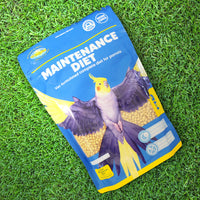
Vetafarm Paradise Pellets

Vetafarm Paradise Pellets

$39.95

Formulated for frugivores like the eclectus: low iron and higher vitamin A, designed to sit at the centre of the diet alongside fresh foods. Add the Forage Eclectus blend as the treat and foraging layer.

Shop Paradise Pellets
Vetafarm Paradise Pellets-Extruded crumble-Seed Cube
Vetafarm Paradise Pellets $39.95
Shop Paradise Pellets

Frequently asked questions

Can eclectus eat nuts?

Yes, in moderation. Nuts are high in fat, so offer small amounts as occasional treats, ideally from the hand or a foraging toy rather than free-fed in a bowl.

Can eclectus eat seed?

Yes, as part of the variety rather than the staple. A quality seed blend in small amounts adds foraging and interest. Keep it to a small share of the overall diet.

What should make up most of an eclectus diet?

Mostly fresh foods, fruit, vegetables and legumes, plus a pellet formulated for eclectus. Treats like seed and nuts are a small part on top.

Why do eclectus need more vitamin A?

They have a higher requirement than most parrots. Red, orange and yellow produce like sweet potato, carrot, capsicum and pumpkin are good natural sources.

Are pellets ok for eclectus?

Yes, if formulated for eclectus or frugivores, which means low iron and higher vitamin A, such as Vetafarm Paradise Pellets, fed alongside plenty of fresh foods.

What causes toe-tapping and wing-flipping?

It is linked in some birds to additives and over-supplementation, but it has many possible causes including infection, stress, moulting and hormones. See an avian vet if it persists.

Sources

  1. Vetafarm Paradise Pellets feeding guidance (avian-vet formulated)Recommends roughly 50% pellets, 45% fresh fruit and vegetables, and 5% treats such as seeds and nuts for frugivores like the eclectus.
  2. Australian avian veterinary diet guidance for eclectusAvian vets advise a diet built mostly on fresh foods and high in vitamin A, with seeds and nuts limited to occasional treats rather than the staple.
  3. Eclectus specialist references, including Graham Taylor and Laurella DesboroughLong-standing eclectus keepers emphasise a natural, mostly fresh diet, caution with synthetic supplements, and note that toe-tapping and wing-flipping have multiple possible causes.

About the author

Russell Neale
Founder, Seed Cube

Russell Neale is the founder of Seed Cube, a bird-feeding brand he started in 2024 in the Hills District of NSW. A long-time bird owner himself, with three birds including a 12-year-old hand-raised Alexandrine, Russell built Seed Cube after years of frustration with messy, flimsy and poorly designed feeders.

Seed Cube makes practical, durable products that keep feeding cleaner, easier and safer for pet birds, and that are designed to last rather than end up in landfill. The brand works closely with Hills Wildlife Sanctuary, and everything it makes is BUILT FOR BIRDS™.

The headline that eclectus cannot have nuts is really about balance. Nuts and seed are treats, not staples; fresh foods and an eclectus-formulated pellet do the heavy lifting; and red and orange veg keep vitamin A topped up. Offer a little quality seed for foraging, go easy on supplements, and check with an avian vet for your bird.

Shop Paradise Pellets