
Feeding and Diet

What to Feed an Amazon Parrot: A Complete Diet Guide

By Russell Neale, Founder, Seed Cube 6 min read

TL;DR

  • Build the diet on formulated pellets, about 60 to 70%
  • Fresh vegetables and greens 30 to 40%, fruit under 10%
  • Cut the fatty sunflower seeds and peanuts
  • Switch a seed-only Amazon to pellets over 2 to 6 weeks
  • Never feed avocado

Quick answer

Feed an Amazon parrot a base of formulated pellets (about 60 to 70% of the diet), plenty of fresh vegetables and greens (30 to 40%), and only a small amount of fruit (under 10%) and seed. Cut the fatty sunflower seeds and peanuts, never feed avocado, and switch a seed-only bird to pellets gradually over two to six weeks.

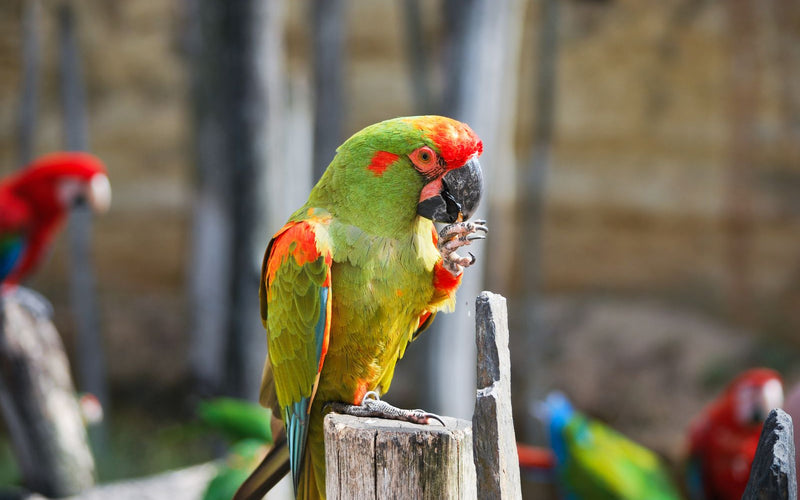
Amazon parrot portrait, what to feed an Amazon parrot diet guide
An Amazon parrot's diet is built on pellets and vegetables, not a bowl of seed.

The short answer, and the Amazon-specific catch

A healthy Amazon parrot diet is built on formulated pellets, with fresh vegetables and greens every day and only a small layer of seed. Pellets should make up around 60 to 70% of what your bird eats, vegetables and a little fruit the rest, and seed a modest top-up rather than the meal. Fresh water goes down daily.

Here is the Amazon-specific catch that generic parrot articles skip. Amazons are the classic seed junkies. Given a full bowl, they pick out the fatty peanuts and sunflower seeds and ignore the rest, which is exactly how they end up overweight and short on vitamin A and calcium. How you feed an Amazon matters as much as what you feed it, so the goal is a pellet base your bird has to forage for, not a heaped dish it can pick through all day.

Why an all-seed diet is the biggest risk for an Amazon

Seed mixes sold for parrots are high in fat and low in the vitamins and minerals an Amazon needs, especially vitamin A and calcium. Left with a full bowl, an Amazon does the worst possible thing: it selectively eats the fattiest items, usually sunflower seeds and peanuts, and skips the rest. Over months and years that drives obesity, fatty liver disease and a shortage of vitamin A, which shows up as sinus and respiratory infections, poor feathering and mouth problems.

There is a bigger, quieter danger too. Amazon parrots, along with African greys, are the species most prone to atherosclerosis, a hardening and furring of the arteries. It is linked to a sedentary life on a high-fat, seed-heavy diet, it is more common in females and older birds, and its first sign is often sudden death. The good news is that it is largely a diet and exercise problem, which means it is largely preventable.

Pellets: the base of the diet

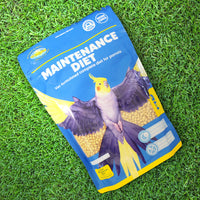
Formulated pellets are the simplest way to give an Amazon balanced nutrition, because each pellet carries the vitamins, minerals and protein a bird needs rather than letting it pick and choose. Aim for pellets to make up roughly 60 to 70% of the daily diet. Choose a quality brand sized for a large parrot; in Australia, Vetafarm is a widely used vet-backed option, and there are other good brands too.

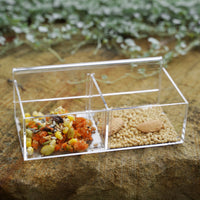
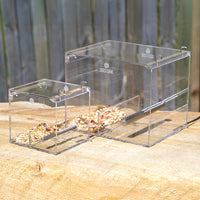
Do not free-feed pellets in an endless bowl either. Offer a measured amount, ideally through a foraging feeder, so your Amazon works for its food and stays active rather than grazing all day.

Vegetables and greens: the vitamin A workhorse

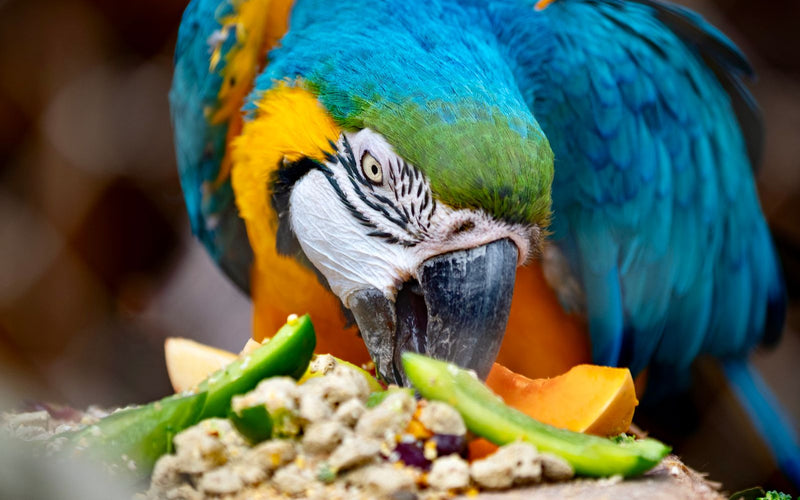
Fresh vegetables and greens do the heavy lifting on vitamin A, the nutrient Amazons most often lack. Between them, vegetables and a little fruit should make up about 30 to 40% of the diet. Lean on orange, red and yellow vegetables and dark leafy greens: carrot, sweet potato, pumpkin and squash, red and yellow capsicum, kale, silverbeet and broccoli are all excellent.

Skip the pale, watery options like iceberg lettuce and celery, which offer almost nothing. Wash everything well, cut it to a manageable size, and offer it in a separate dish. Serve vegetables fresh and remove them before they spoil.

Fruit, nuts and the small seed layer

Fruit is a treat, not a food group. Keep it under about 10% of the daily intake, because it is high in sugar and low in the protein and minerals an Amazon needs. Apple with the seeds removed, berries, melon and mango are all fine in small pieces. Always take out pits and apple seeds, which contain cyanide compounds.

Nuts are useful as a high-value reward: a couple of tree nuts such as almond, walnut or Brazil nut a day is plenty for a large parrot. Seed still has a place as a small top-up rather than the meal. If you feed it, choose a quality low-fat blend and put it through a foraging feeder so it earns its keep as enrichment.

Foods to never feed an Amazon parrot

Some foods are dangerous and should never reach your bird. Avocado is the most important: it contains persin and can kill a parrot. Also off the list are chocolate and caffeine, alcohol, onion, garlic and chives, and the pits and seeds of stone fruit and apples, which release cyanide compounds.

Beyond outright toxins, keep salty, sugary and fried human foods away from an Amazon. They add fat and salt a bird this prone to obesity and heart disease does not need. When in doubt, leave it out and ask an avian vet.

How to switch a seed-addicted Amazon to pellets

Amazons are famously stubborn about new food, but they can be switched. Go gradually over two to six weeks. Start at roughly 90% of the current seed with 10% pellets, then shift the ratio a little further towards pellets every few days. Keep the food dish only about a quarter full so your bird is hungry enough to try the new food.

Weigh your Amazon on a gram scale through the change to make sure it keeps eating and holds its weight, and never cut seed out completely until you are sure the bird is eating pellets and some vegetables. If it stalls, take a break and restart in a month with a different pellet. As the vets put it, you train the bird; do not let the bird train you. An avian vet can help with a stubborn case.

A simple daily feeding routine

Keep it simple and repeatable. In the morning, offer a measured serve of pellets, ideally through a foraging feeder so your Amazon has to work for it. Put out a separate dish of fresh vegetables and greens. Use a small piece of fruit or a nut as a training reward through the day, and refresh water daily. Remove fresh food before it spoils.

This is where a foraging feeder earns its place. An Amazon left with a heaped bowl grazes the fatty bits and barely moves; a feeder it has to forage from slows the grazing, adds activity and keeps that big brain busy. Weigh your bird weekly, give it plenty of out-of-cage exercise, and book a yearly avian vet check. Feed an Amazon well and you are protecting decades of health.

Key facts

  • 60 to 70%

    of an Amazon parrot's diet should be formulated pellets

  • 30 to 40%

    should be fresh vegetables, greens and a little fruit

  • Under 10%

    of the daily diet should be fruit

  • 40 to 60+ yrs

    an Amazon's lifespan, so diet matters for decades

Seed layerForage Gourmet Seed - Macaw, African Grey & Amazon Specialty Blend-Bird Seed-Seed Cube

Make the smaller seed layer count

Forage Gourmet Seed - Macaw, African Grey & Amazon Specialty Blend

$15.99

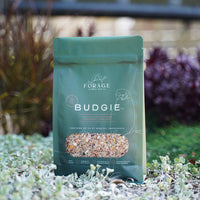
Amazons still enjoy seed, so make the small seed layer count instead of a fatty free-for-all. The Forage Gourmet Macaw, African Grey and Amazon blend is built for large parrots, with less filler than a sunflower-heavy mix. Use it as the smaller part of a pellet-based diet, ideally in a Seed Cube so your bird forages for it.

Shop the blend
Forage Gourmet Seed - Macaw, African Grey & Amazon Specialty Blend-Bird Seed-Seed Cube
Forage Gourmet Seed - Macaw, African Grey & Amazon Specialty Blend $15.99
Shop the blend

Frequently asked questions

How much should I feed my Amazon parrot each day?

Offer a measured serve rather than a bottomless bowl. A rough guide is a couple of tablespoons of pellets a day for a medium Amazon, plus a good handful of fresh vegetables, adjusted to your bird's size and weight. Keeping the dish only about a quarter full encourages foraging and stops selective picking. Let your bird's weight and your avian vet guide the exact amount.

Can Amazon parrots eat seeds?

Yes, but only as a small part of the diet, not the whole thing. Seed is high in fat and low in vitamin A and calcium, and an all-seed bowl is the main cause of obesity and deficiency in Amazons. Use a small amount of a quality low-fat blend as a top-up or foraging treat, with pellets and vegetables doing the real work.

What vegetables are best for an Amazon parrot?

Choose vegetables rich in vitamin A: carrot, sweet potato, pumpkin and squash, red and yellow capsicum, and dark leafy greens such as kale, silverbeet and broccoli. These support the immune system, skin and feathers. Avoid watery, low-value options like iceberg lettuce and celery. Wash everything and offer it fresh in a separate dish.

Can Amazon parrots eat fruit, and how much?

Yes, in moderation. Keep fruit under about 10% of the daily diet, since it is high in sugar. Apple with the seeds removed, berries, melon and mango are good choices in small pieces. Always remove pits and apple seeds, which contain cyanide compounds. Fruit works best as a treat or training reward rather than a meal.

Are peanuts and sunflower seeds bad for Amazon parrots?

They are the seeds to limit most. Peanuts and sunflower seeds are very high in fat and low in calcium and vitamin A, and Amazons will pick them out of a mix and gorge on them. That drives obesity and, over time, heart disease. Offer them only as the occasional small treat, not as a daily food.

What foods are toxic to Amazon parrots?

Never feed avocado, which contains persin and can be fatal. Also avoid chocolate and caffeine, alcohol, onion, garlic and chives, and the pits and seeds of stone fruit and apples. Keep salty, sugary and fried human foods away too. If your bird eats something you are unsure about, call an avian vet.

Why is my Amazon parrot overweight, and what should I do?

Most overweight Amazons are on a seed-based diet, graze from a full bowl and do not get enough exercise. Switch to a pellet base with plenty of vegetables, cut the fatty sunflower and peanuts, feed measured amounts through a foraging feeder, and increase out-of-cage activity. Weigh your bird regularly and ask your avian vet to check its condition.

How do I get my Amazon to eat pellets?

Transition gradually over two to six weeks. Start at about 90% seed and 10% pellets, then shift the balance towards pellets every few days, keeping the dish only a quarter full. Weigh your bird throughout so you know it keeps eating, and never remove seed entirely until it is reliably eating pellets. If progress stalls, pause and restart with a different pellet, and enlist an avian vet for a stubborn bird.

Sources

  1. VCA Animal Hospitals, Amazon Parrots - FeedingPellets 60 to 70% of the diet; vitamin A and calcium deficiency; obesity; avocado toxic; seed-to-pellet transition method.
  2. Lafeber Company, avian nutritionA balanced parrot diet and the risks of an all-seed diet.
  3. The Unusual Pet VetsObesity and atherosclerosis risk in seed-fed companion parrots.
  4. RSPCA Australia KnowledgebaseFeeding and welfare guidance for pet parrots.

About the author

Russell Neale
Founder, Seed Cube

Russell Neale is the founder of Seed Cube, a bird-feeding brand he started in 2024 in the Hills District of NSW. A long-time bird owner himself, with three birds including a 12-year-old hand-raised Alexandrine, Russell built Seed Cube after years of frustration with messy, flimsy and poorly designed feeders.

Seed Cube makes practical, durable products that keep feeding cleaner, easier and safer for pet birds, and that are designed to last rather than end up in landfill. The brand works closely with Hills Wildlife Sanctuary, and everything it makes is BUILT FOR BIRDS™.

Amazons are bold, brilliant and long-lived, and most of the health problems they face come down to diet. Build the diet on pellets, load up the vitamin-A vegetables, keep fruit and fatty seed as small extras, and make your bird forage rather than graze. Do that and you are heading off obesity, vitamin deficiency and heart disease before they start. When in doubt, an avian vet is your best guide. For a cleaner, lower-waste way to run a pellet-based diet, see the Amazon Parrot Feeder and the Amazon Parrot Care Guide.

Shop the Amazon Parrot Feeder