
Bird Health

Eclectus Toe-Tapping and Wing-Flipping: Causes and the Diet Fix

By Russell Neale, Founder, Seed Cube 4 min read

TL;DR

  • Toe-tapping and wing-flipping are repetitive, involuntary movements seen mostly in eclectus.
  • The most common trigger is synthetic supplements and fortified, additive-heavy food.
  • Calcium deficiency, metal toxicity and illness can also cause it, so see an avian vet first.
  • Diet-driven cases often ease on fresh whole foods, natural vitamin A and a low-iron pellet.

Quick answer

Toe-tapping and wing-flipping are repetitive, involuntary movements seen mostly in eclectus parrots. In eclectus they are most often linked to synthetic supplements and heavily fortified or additive-heavy foods, because these birds absorb vitamins and minerals very efficiently. Calcium deficiency, heavy-metal toxicity and illness can also cause them, so see an avian vet first. For diet-driven cases, symptoms often ease once you remove synthetic supplements and move to a fresh, whole-food diet with a low-iron pellet.
Eclectus Toe-Tapping and Wing-Flipping: Causes and the Diet Fix
Toe-tapping and wing-flipping in eclectus are usually a diet warning. Here is what to do.

What toe-tapping and wing-flipping look like

Toe-tapping is a repetitive, involuntary tapping or clenching of the toes, as if the bird is drumming on the perch. Wing-flipping is a repeated flicking or twitching of the wings that the bird does not seem to control. The two often appear together, and they are seen far more in eclectus than in other parrots. Mild cases come and go; more severe cases can run alongside screaming, restlessness or feather plucking. It is not a normal quirk. It is a sign that something in the bird's diet, environment or health needs attention.

See an avian vet first

Before changing anything, book an avian vet. Toe-tapping and wing-flipping have several possible causes, and some are medical rather than dietary: calcium or mineral imbalance, heavy-metal toxicity, exposure to chemicals, illness or injury. A blood test can reveal low calcium or metal levels quickly, and treatment works far better when it targets the real cause. Persistent or worsening symptoms should be treated as urgent, not waited out.

The most common trigger: synthetic supplements and additives

In eclectus, the most frequently reported trigger is synthetic supplementation. Eclectus have a longer digestive tract than most parrots and absorb vitamins and minerals very efficiently, so a diet loaded with added synthetic vitamins, artificial colours, flavours or preservatives can tip into overload. Heavily fortified pellets, vitamin powders added just to be safe, and dried fruit preserved with sulphur dioxide are common culprits. Many owners report the tapping and flipping easing after these are removed and the bird is moved onto fresh whole foods.

Calcium and mineral imbalance

Low calcium is one of the more common findings when an eclectus is toe-tapping. When a blood test confirms it, correcting calcium under veterinary guidance can settle the symptoms quickly. You can support healthy calcium through diet with calcium-rich leafy greens such as collard, kale, broccoli leaves, mustard, turnip and dandelion greens, rather than reaching for a supplement on your own. Because eclectus over-absorb minerals, only supplement when an avian vet has tested for and advised it.

Other causes to rule out

Diet is the usual suspect, but not the only one. Heavy-metal toxicity from cheap toys with zinc or lead, exposure to household chemicals, pesticide residue on produce, food allergies, and underlying illness or injury can all produce the same movements. This is exactly why a vet check comes first. Washing fresh produce well, using bird-safe toys and cookware, and keeping the bird away from fumes all remove common environmental triggers.

The diet that usually fixes it

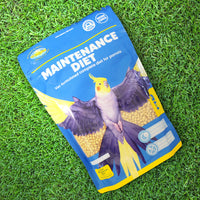
For diet-driven cases, the fix is a return to fresh, whole foods with no synthetic extras. Build the diet on fresh vegetables, fruit and legumes, lean on red and orange veg for natural vitamin A as beta-carotene, and drop the vitamin powders. If you feed pellets, choose a low-iron pellet formulated for eclectus and frugivores rather than a heavily fortified general parrot pellet. Introduce changes gradually and give it time; improvement is often measured over weeks, not hours, unless low calcium is the cause.

Foods that help, foods to avoid

Helpful: fresh leafy greens for calcium, red and orange vegetables for natural vitamin A, and a variety of fresh fruit, veg and cooked legumes, served chopped and fresh each day. Avoid: heavily fortified pellets, added synthetic vitamins, artificial colours and flavours, dried fruit preserved with sulphur dioxide, and any complete mix that lists lots of added vitamins and minerals. When in doubt, simpler and fresher is safer for an eclectus.

Preventing it long term

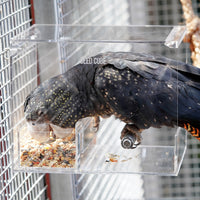
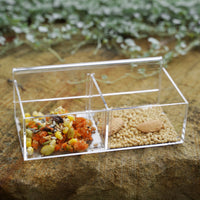
Once the symptoms settle, keep the diet clean and consistent: mostly fresh food, a low-iron pellet if you use one, and no supplements unless your vet prescribes them. A calm routine and good enrichment help too, since stress can worsen repetitive behaviours. Because eclectus eat so much wet, chopped fresh food, an enclosed feeder keeps that food contained and easy to serve daily, which makes sticking to a clean fresh diet a lot simpler.

Key facts

  • Synthetic supplements, fortified foods, additives

    Common triggers

  • Diet-driven cases ease when the diet is corrected

    Often reversible

  • Best from natural beta-carotene

    Vitamin A

  • Avian vet check and blood test

    First step

Built for eclectusSeed Cube  - Large - No mess bird feeder

Clean fresh feeding

Seed Cube - Large - No mess bird feeder

$129.99

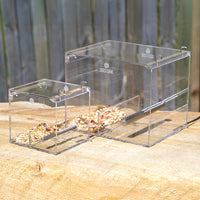
A toe-tapping-safe diet means fresh whole food and no additive-heavy mixes. The Large Seed Cube keeps chopped veg, fruit and a low-iron pellet contained in the cage, so a clean fresh diet is easy to serve every day.

Shop the Large Seed Cube
Seed Cube  - Large - No mess bird feeder
Seed Cube - Large - No mess bird feeder $129.99
Shop the Large Seed Cube

Frequently asked questions

What is toe-tapping in eclectus parrots?

Toe-tapping is a repetitive, involuntary tapping or clenching of the toes, often alongside wing-flipping, a repeated flicking of the wings. It is seen mostly in eclectus and signals that diet, environment or health needs attention.

Why do eclectus toe-tap and wing-flip?

The most common trigger is synthetic supplementation and fortified or additive-heavy food, because eclectus absorb vitamins and minerals very efficiently. Calcium deficiency, heavy-metal toxicity, chemicals, allergies and illness can also cause it, so a vet check is the first step.

Can diet cause eclectus toe-tapping?

Yes. Excess synthetic vitamins, heavily fortified pellets, artificial colours and preservatives are frequently linked to it in eclectus. Many owners report symptoms easing after switching to a fresh, whole-food diet without synthetic supplements.

How do I stop my eclectus toe-tapping?

See an avian vet first to rule out calcium imbalance, metal toxicity and illness. For diet-driven cases, remove synthetic supplements and heavily fortified foods, move to fresh whole foods with natural vitamin A, and use a low-iron pellet if you feed pellets.

Are pellets bad for eclectus?

Not all pellets, but heavily fortified, high-iron general parrot pellets can contribute to toe-tapping in eclectus. A low-iron pellet formulated for eclectus and frugivorous birds, fed in moderation alongside fresh food, is the safer choice.

Does calcium deficiency cause toe-tapping?

It can, and it is one of the more common findings. If a blood test confirms low calcium, correcting it under veterinary guidance often settles the symptoms quickly. Calcium-rich leafy greens support healthy levels through diet.

Is eclectus toe-tapping an emergency?

Persistent or worsening toe-tapping and wing-flipping should be treated as urgent, because it can signal toxicity, illness or a mineral imbalance. Book an avian vet promptly rather than waiting to see if it passes.

Which foods help stop toe-tapping?

Fresh calcium-rich leafy greens such as collard, kale and broccoli leaves, red and orange vegetables for natural vitamin A, and a variety of fresh fruit, veg and cooked legumes. Serve them fresh and chopped, without added synthetic supplements.

Sources

  1. Toe-tapping, from an eclectus owner and an avian veterinarian, AFA WatchbirdAvian-veterinary perspective on the multiple possible causes of toe-tapping and wing-flipping.
  2. Eclectus parrot diet, Riverside Veterinary HospitalAvian-vet guidance on eclectus diet, supplementation and toe-tapping.
  3. Eclectus care profile, Lafeber CompanyAvian care reference on eclectus nutrition and the risks of over-supplementation.
  4. Paradise Pellets, low-iron diet for eclectus, VetafarmAustralian avian-vet-formulated low-iron pellet for eclectus and frugivorous birds.

About the author

Russell Neale
Founder, Seed Cube

Russell Neale is the founder of Seed Cube, a bird-feeding brand he started in 2024 in the Hills District of NSW. A long-time bird owner himself, with three birds including a 12-year-old hand-raised Alexandrine, Russell built Seed Cube after years of frustration with messy, flimsy and poorly designed feeders.

Seed Cube makes practical, durable products that keep feeding cleaner, easier and safer for pet birds, and that are designed to last rather than end up in landfill. The brand works closely with Hills Wildlife Sanctuary, and everything it makes is BUILT FOR BIRDS™.

Toe-tapping and wing-flipping look alarming, but in eclectus they are usually the bird telling you its diet is too rich in synthetic extras. Get a vet check to rule out calcium and toxicity, then strip the diet back to fresh whole foods with natural vitamin A and, if you use pellets, a low-iron formula. Keep that fresh food clean and contained, and most diet-driven cases settle down.

See the Eclectus feeder